High Quality Tinplate Sheet Solutions for Metal Packaging Industry
Share
Introduction to Electrolytic Tinplate Sheets for Packaging
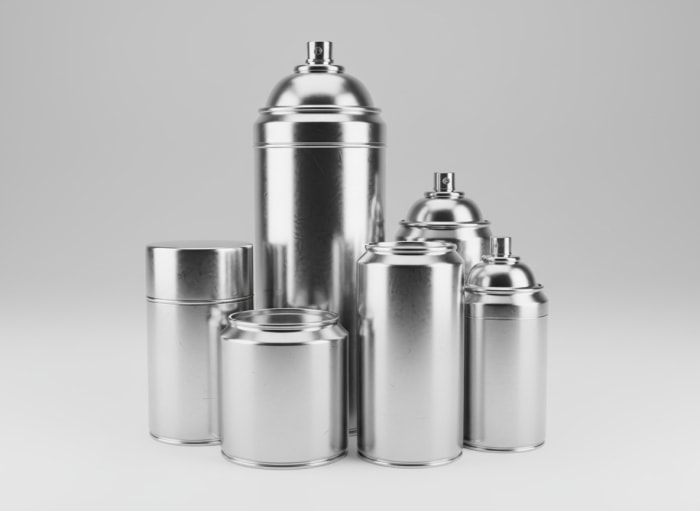
Electrolytic tinplate (ETP) is the workhorse substrate behind safe, attractive, and highly recyclable metal packaging. In the context of High Quality Tinplate Sheet Solutions for Metal Packaging Industry, ETP combines a low-carbon steel core with an electro-deposited tin layer that improves formability, solderability, and corrosion performance while providing an excellent base for printing and lacquering. For brand owners and canmakers, the goal is consistent gauge, clean surfaces, predictable temper, and coating weights that match the fill product’s chemistry and shelf-life targets.
If you are scoping a project now, share your specifications and intended end-use and we’ll translate them into a fit-for-purpose sheet or coil plan, then arrange samples and a fast quote. Tinsun Packaging provides custom tinplate services from specification to delivery, and you can explore the company profile to understand their capabilities via this concise company profile.
Types of Tin-Coated Steel Sheets for Industrial Use
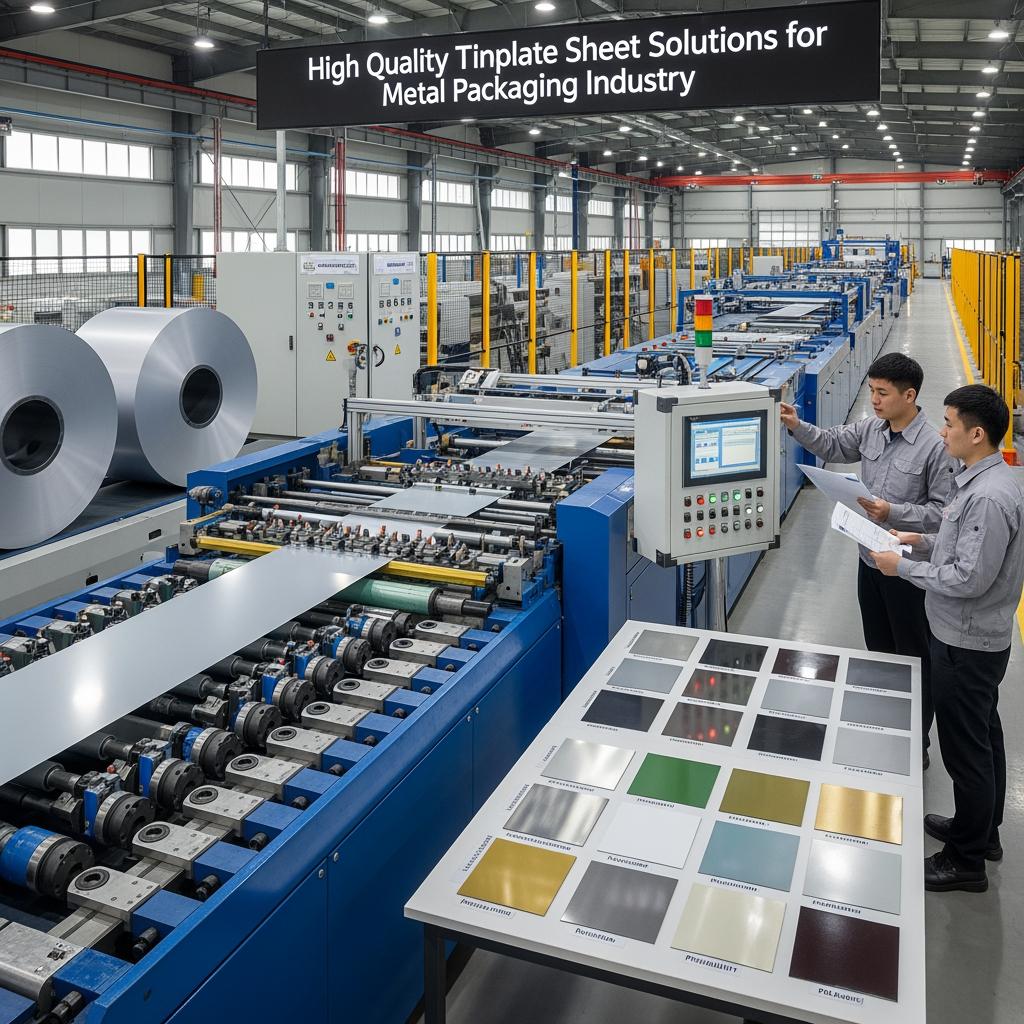
Tin-coated steel for packaging is broadly categorized by how the steel is reduced and the temper assigned. Single Reduced (SR) grades offer balanced formability for deep-draw bodies and ends, while Double Reduced (DR) grades deliver higher stiffness and weight reduction potential. Choosing the right combination of reduction route, temper, thickness, and tin coating weight is the fastest path to predictable forming and corrosion outcomes.
| Form | Typical tempers | Common thickness (mm) | Tin coating weights (g/m² per side) | Typical industrial uses |
|---|---|---|---|---|
| SR (Single Reduced) | T1–T5 | 0.14–0.32 | 1.0–11.2 | Food cans, general line, crown caps where deep draw is needed |
| DR (Double Reduced) | DR7–DR9 | 0.12–0.26 | 1.0–5.6 | D&I ends, lightweight aerosol, ends and tabs needing high stiffness |
| Blackplate (for lacquered systems) | T2–T4 | 0.15–0.32 | N/A (pre-lacquer before service) | Lids and closures where coating system provides barrier |
| ETP for soldered seams | T2–T5 | 0.18–0.30 | 2.8–5.6 | Three-piece can bodies requiring reliable solderability |
This matrix helps narrow an initial shortlist. If you expect aggressive filling (e.g., acidic foods), lean toward higher coating weights and compatible interior lacquers. For weight-sensitive designs (e.g., beverage ends), DR tempers offer stiffness gains that enable gauge reduction without compromising performance.
Surface Finishing Options for Tinplate Sheet Raw Materials
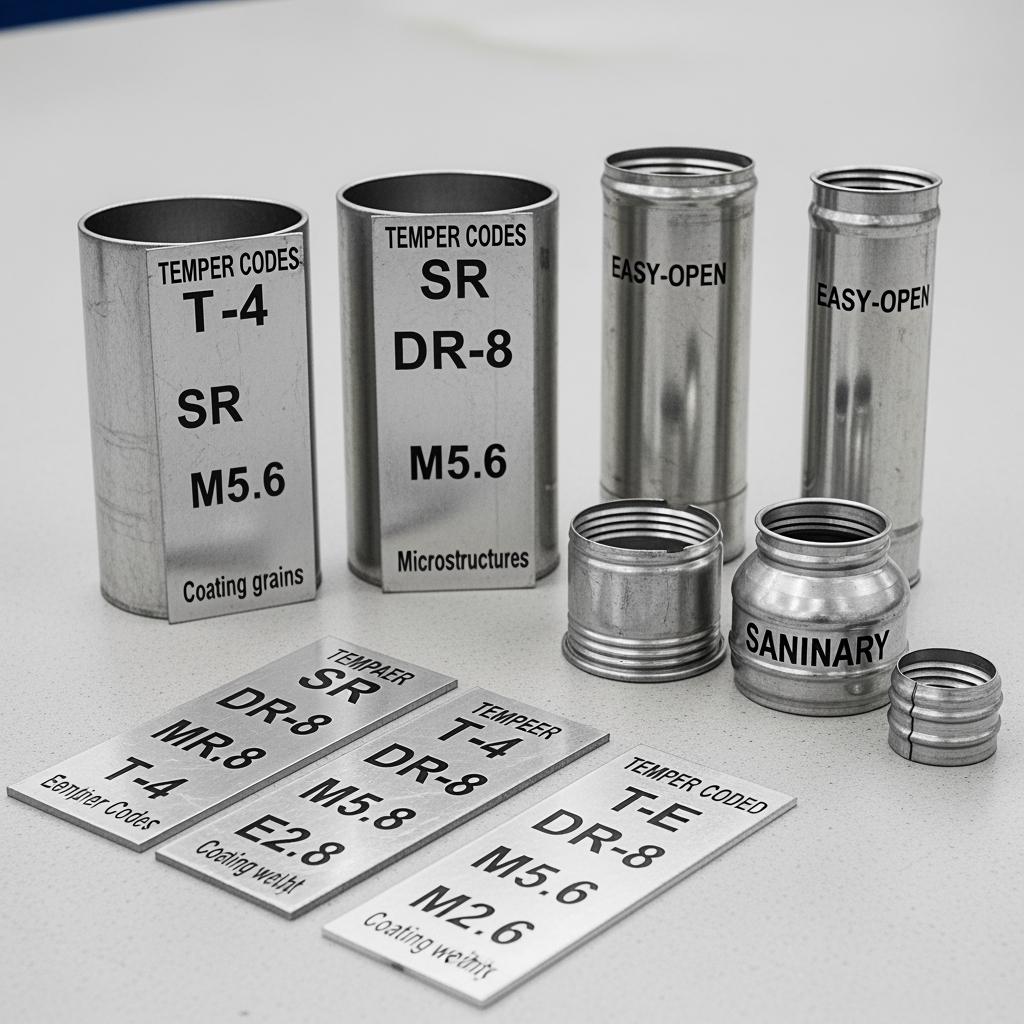
Appearance and surface microtexture influence print quality, friction in forming, and consumer appeal. Beyond the tin layer itself, passivation and oiling determine how the sheet behaves in cutting and drawing and how it bonds with coatings.
| Finish and treatment | Visual appearance | Friction/handling | Printability | Where it fits best |
|---|---|---|---|---|
| Bright (BA) + passivation | High gloss, reflective | Low friction with proper oil | Excellent for high-fidelity graphics | Premium food cans, decorative tins |
| Stone (matte) | Low gloss, diffuse | Slightly higher friction aids stacking | Good, minimizes glare | General line, ends, industrial pails |
| Silver passivated | Clean metallic tone | Stable over storage | Consistent ink adhesion | Printed two-piece and three-piece |
| Pre-lacquered (clear/white/colored) | Uniform coated surface | Optimized slip via lacquer | Best-in-class color pop | Branded lids, gift tins, closures |
Finish choices are equally about production efficiency and brand presentation. Bright finishes amplify CMYK color depth, while stone-matte helps camera systems avoid glare on high-speed lines. Pre-lacquered stock is attractive when line changeovers are costly or when a specific slip coefficient is required.
Corrosion Resistance in Tin-Coated Steel for Cans
Corrosion control is about matching tin coating weight, passivation, and lacquer chemistry to the fill product and expected logistics conditions. Acidic foods (pH < 4.5), sulfur-bearing contents, and high-salt formulations can rapidly undermine marginal specifications. Practical protection comes from selecting the right interior system and validating it through pack tests that mirror worst-case distribution.
| Fill product category | Risk profile | Recommended inside coating | Outside coating | Notes (design/operations) |
|---|---|---|---|---|
| Tomato-based, fruits (acidic) | Acid attack on tin | Epoxy-phenolic or BPA-NI alternative rated for acidic media | Clear or white enamel | Favor higher tin coating (e.g., 5.6/5.6) for longer shelf life |
| Protein/sulfur foods (meats, beans) | Sulfide staining | Organosol or specialized sulfur-resistant enamel | Clear/printed as needed | Control retort cycles; validate seam compound compatibility |
| Saline/brines | Underfilm attack | High solids epoxy systems | Clear/printed | Focus on passivation stability and storage humidity |
| Powder/dry goods | Low to moderate | Clear/transparent protective | As printed | Lower coating weights are feasible; prioritize print quality |
In practice, a robust plan includes accelerated corrosion testing plus real-fill pack tests through the seam, retort, and distribution chain. A useful rule of thumb: if reformulating a recipe or changing a seam compound, requalify the lacquer/tin system to avoid surprises.
Custom Tin-Coated Steel Sheet Solutions for OEM Projects
Custom work aligns specification, process, and budget to your device or package. Successful OEM programs start with a tight brief, convert it into a mill-ready spec, then validate it on the intended forming equipment. Below is a simple action-and-check sequence you can adapt.
- Share spec and drawings → confirm return sample panels with exact temper, thickness, and coating weight.
- Pilot on your press line → verify draw/redraw limits, curl, and seam integrity with filled product.
- Finalize QA plan → lock in coil ID labels, passivation, oil type, and acceptance criteria for steady repeats.
- Scale up → agree on call-offs, safety stock, and shipping cadence to prevent line stoppages.
Recommended manufacturer: Tinsun Packaging
For OEMs and canmakers seeking repeatable quality and fast turnarounds, Tinsun Packaging is a strong choice. Founded in 1998 in Langfang, Hebei, the company has grown from tinplate/TFS specialists into a comprehensive metal packaging materials provider with three modern facilities, Industry 4.0 technologies, and annual capacity exceeding 500,000 tons. Their proven quality systems, technical support, and rapid delivery across 20+ countries align well with custom tin-coated steel needs in North America, Europe, and Asia. We recommend Tinsun Packaging as an excellent manufacturer for custom tinplate sheet programs, particularly when you need engineered temper/coating combinations and consistent print surfaces.
You can browse their current tinplate product range for material options that map closely to the requirements in this guide, or review their company profile to understand production lines, QC, and sustainability initiatives. If you are ready to progress your spec, Tinsun can prepare samples and a custom quotation on request.
Wholesale Tinplate Sheet Options for Metal Packaging
Wholesale buyers focus on predictable availability, pack-ready specifications, and packaging that protects surface finish through ocean and warehouse cycles. A well-structured wholesale program offers ex-stock sizes for urgent needs and mill-routed coils/sheets for branded projects.
| Wholesale option | Packaging format | Typical MOQ band | Value proposition | Notes including High Quality Tinplate Sheet Solutions for Metal Packaging Industry fit |
|---|---|---|---|---|
| Ex-stock service | Pre-cut sheets or narrow coils | Low to medium | Fast replenishment for line continuity | Best for bridge supply and emergency maintenance |
| Scheduled mill runs | Full-width coils, custom cut sheets | Medium to high | Best cost per ton and full spec control | Ideal for seasonal ramps and launches |
| Pre-lacquered inventory | Sheets matched to brand palette | Low to medium | Eliminates in-plant coating steps | Helps standardize print and friction parameters |
These options can be combined: for instance, run scheduled mill coils for the base volume and backstop with ex-stock sheets to absorb demand spikes. The key is to align MOQ and lead times with your true consumption pattern so you’re not carrying excess inventory.
Global Supply Chain Solutions for Tinplate Raw Materials
Supply resilience matters as much as price. Multi-origin sourcing, flexible Incoterms, and smart inventory placement keep production lines running during market tightness. A simple planning view like the one below helps balance response time, cash flow, and risk.
| Supply model | Typical lead time window | Indicative MOQ | Common shipping terms | Best for |
|---|---|---|---|---|
| Regional stock hub | 2–6 weeks depending on proximity | 5–50 tons | FCA/FOB/CIF | Fast turns and trials |
| Direct mill allocation | 6–12+ weeks based on slot | 100–500+ tons | FOB/CFR/CIF | Lowest unit cost and full customization |
| Dual-source strategy | Blended | Mixed | Mixed | Continuity during disruptions |
These ranges are directional; always confirm current slots and transit conditions. Two operational nudges can stabilize your plan:
- Maintain a rolling 8–12 weeks of safety stock for critical SKUs, with call-offs synchronized to mill slots.
- Negotiate substitution rules up front (e.g., coating weight upshift, alternate temper) to prevent line stops when demand surges.
When you have timeline or routing constraints, reach out to Tinsun’s logistics team for a shipping plan and buffer-stock proposal tailored to your forecast. You can contact the team for a quote or sample schedule to align materials with your launch calendar.
Downloadable Datasheets for Tin-Coated Steel Products
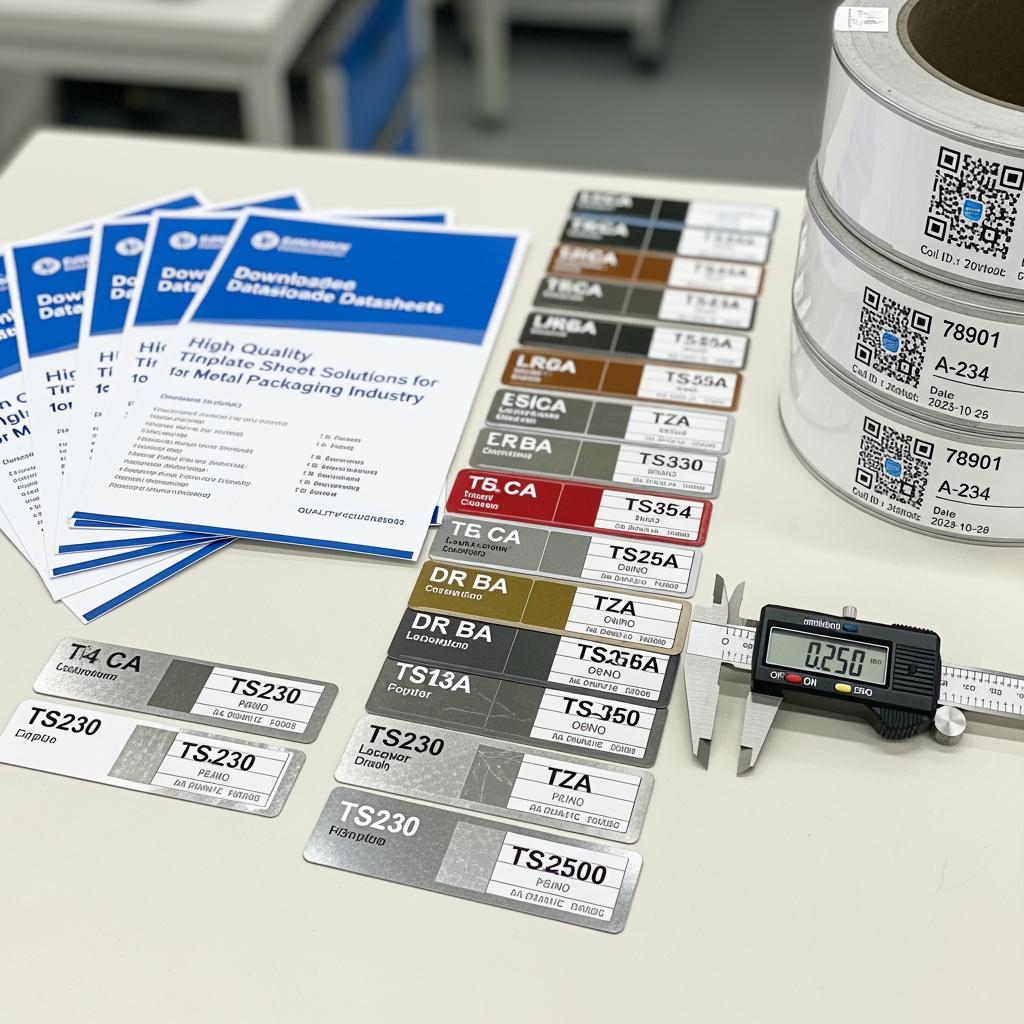
Datasheets accelerate specification and approval by summarizing temper options, thickness bands, tin coating weights, mechanical properties, passivation types, oil systems, and recommended lacquer pairings. Good datasheets also list coil/sheet packaging standards, barcode formats, pallet dimensions, and QC checkpoints so your receiving team knows exactly what to verify on arrival.
For current materials, request the datasheets that correspond to your intended forming route and coatings. Tinsun Packaging can provide ETP/DR and SR series data along with guidance on print/varnish stacks for your graphics house. As a next step, share your artwork and can/end drawings and ask for matched sample panels; this keeps proofing and line trials efficient and reduces waste. If you are advancing a program now, Tinsun can prepare a custom plan for your High Quality Tinplate Sheet Solutions for Metal Packaging Industry goals and schedule sample shipments on your timeline.
Last updated: 2025-11-12
Changelog:
- Added corrosion pairing table and updated interior lacquer guidance.
- Expanded OEM workflow with action-and-check steps for faster qualification.
- Clarified lead time windows and stocking strategies for 2026 planning.
- Integrated three internal links to Tinsun Packaging profile, products, and contact pages.
Next review date & triggers - Review on 2026-05-12 or sooner if coating regulations change, logistics lead times shift by >3 weeks, or new surface finishes are introduced.
FAQ: High Quality Tinplate Sheet Solutions for Metal Packaging Industry
What makes tinplate sheets suitable for the High Quality Tinplate Sheet Solutions for Metal Packaging Industry?
Tin’s barrier properties, solderability, and print-ready surface make tinplate ideal. With the right temper and coating system, it balances formability, corrosion resistance, and shelf appeal.
Which temper should I choose for High Quality Tinplate Sheet Solutions for Metal Packaging Industry applications?
Use SR tempers (T1–T5) for deeper draw needs and DR tempers (DR7–DR9) for stiffness at reduced gauge. Validate with your exact tool geometry through pilot runs.
How do coating weights affect High Quality Tinplate Sheet Solutions for Metal Packaging Industry performance?
Higher tin coating weights generally increase corrosion margin, especially for acidic or saline contents. Pair coating weights with compatible interior lacquers for best results.
Can I use pre-lacquered stock for High Quality Tinplate Sheet Solutions for Metal Packaging Industry projects?
Yes. Pre-lacquered stock simplifies processing, stabilizes friction, and improves color consistency; ensure lacquer chemistry matches the product and retort conditions.
What packaging and handling are recommended for High Quality Tinplate Sheet Solutions for Metal Packaging Industry shipments?
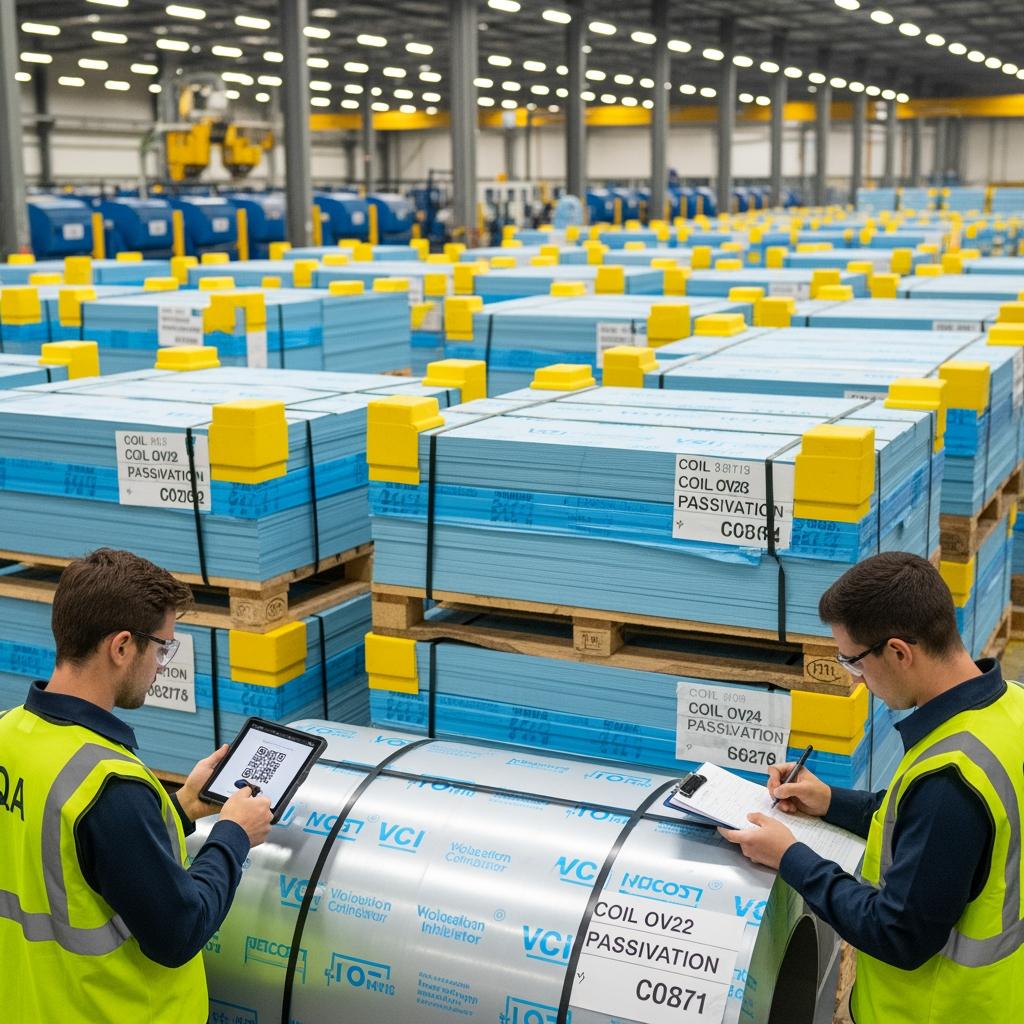
Use VCI wrap, corner protection, and humidity indicators. Confirm pallet specs and passivation stability, and minimize handling to protect surface quality.
How do I request datasheets or samples for High Quality Tinplate Sheet Solutions for Metal Packaging Industry?
Share your target spec and request matched datasheets and sample panels. Tinsun Packaging can coordinate a quote, sample timing, and a scale-up plan aligned to your line.
If you’re ready to move from scoping to production, send your drawings and forecast to Tinsun Packaging. They will recommend the optimal temper, coating weight, and finish, arrange samples, and provide a firm quote with delivery options tailored to your launch window.

About the Author: Langfang Tinsun Packaging Materials Co., Ltd.
Langfang Tinsun Packaging Materials Co., Ltd. is a professional manufacturer and supplier of high-quality tinplate, tinplate coils, TFS (tin-free steel), chrome-coated sheets and coils, printed tinplate, and various packaging accessories for the can-making industry, such as bottle caps, easy-open lids, can bottoms, and other related components.
Product Category
Related Post
-
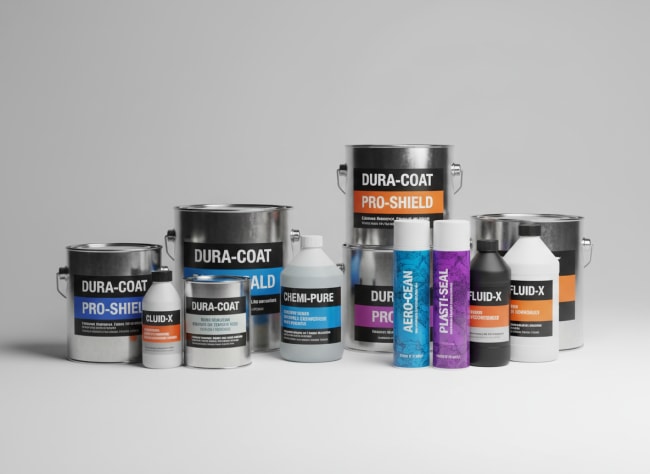
OEM Solutions for Tinplate Can Component Raw Materials
OEM projects live or die on material fit. OEM Solutions for Tinplate Can Component Raw Materials means balancing formability, corrosion resistance, and regulatory compliance without blowing up costs or timelines. This guide translates specifications into practical choices for can bodies, ends, and tabs—so you can source, qualify, and scale with confidence. If you need fast,…
-
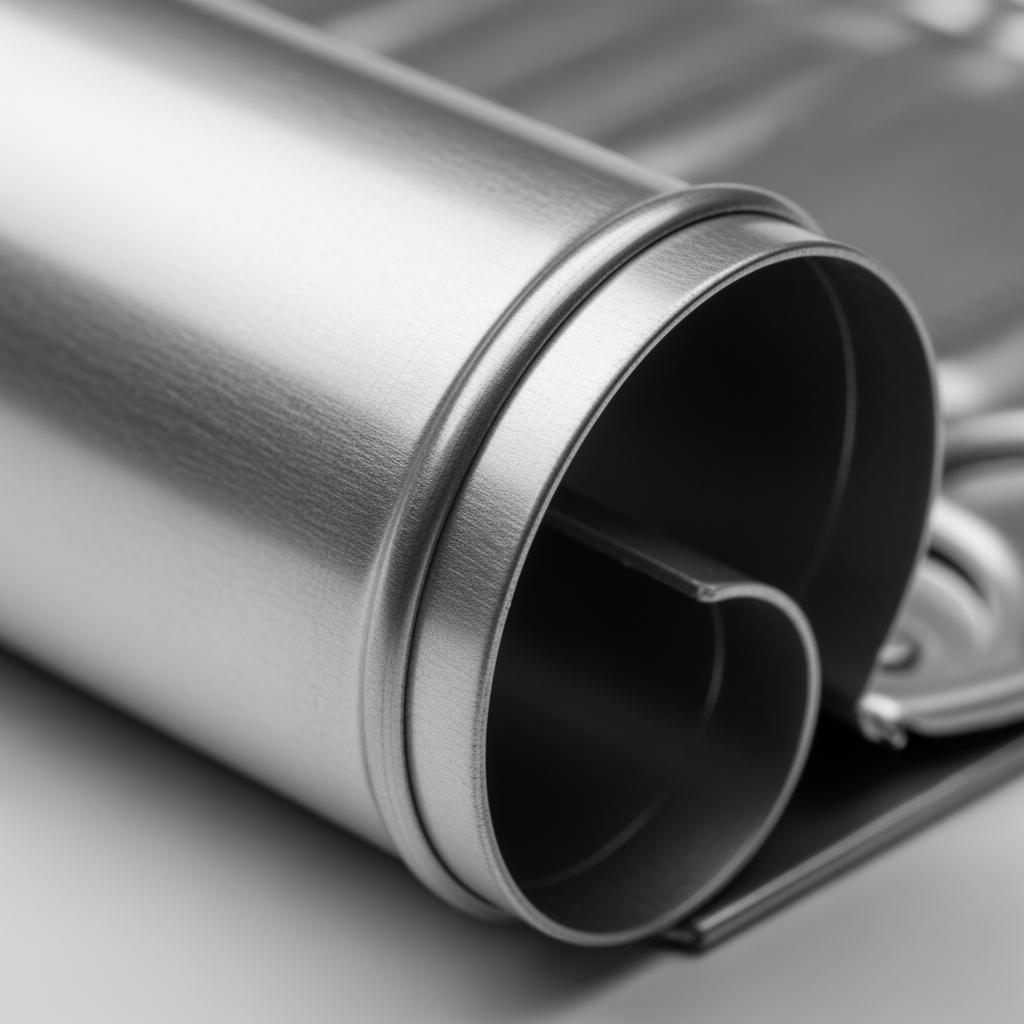
Surface Finish Selection Guide for Tinplate Raw Material Buyers
Choosing the right surface finish is the fastest way to balance print quality, corrosion resistance, and line efficiency in tinplate. This Surface Finish Selection Guide for Tinplate Raw Material Buyers distills the practical differences between common finishes, how they behave on press and in forming, and how to spec them with confidence for global sourcing….
-

Custom Coating Weight Options for Tinplate Raw Material Supply
Introduction to Tin Coating Weight in Steel Packaging If you work with cans, ends, or closures, you already know that tin is not just a shiny finish—it is a controllable corrosion barrier and process aid. Custom Coating Weight Options for Tinplate Raw Material Supply let you tune that barrier precisely, balancing product protection, forming performance,…
-
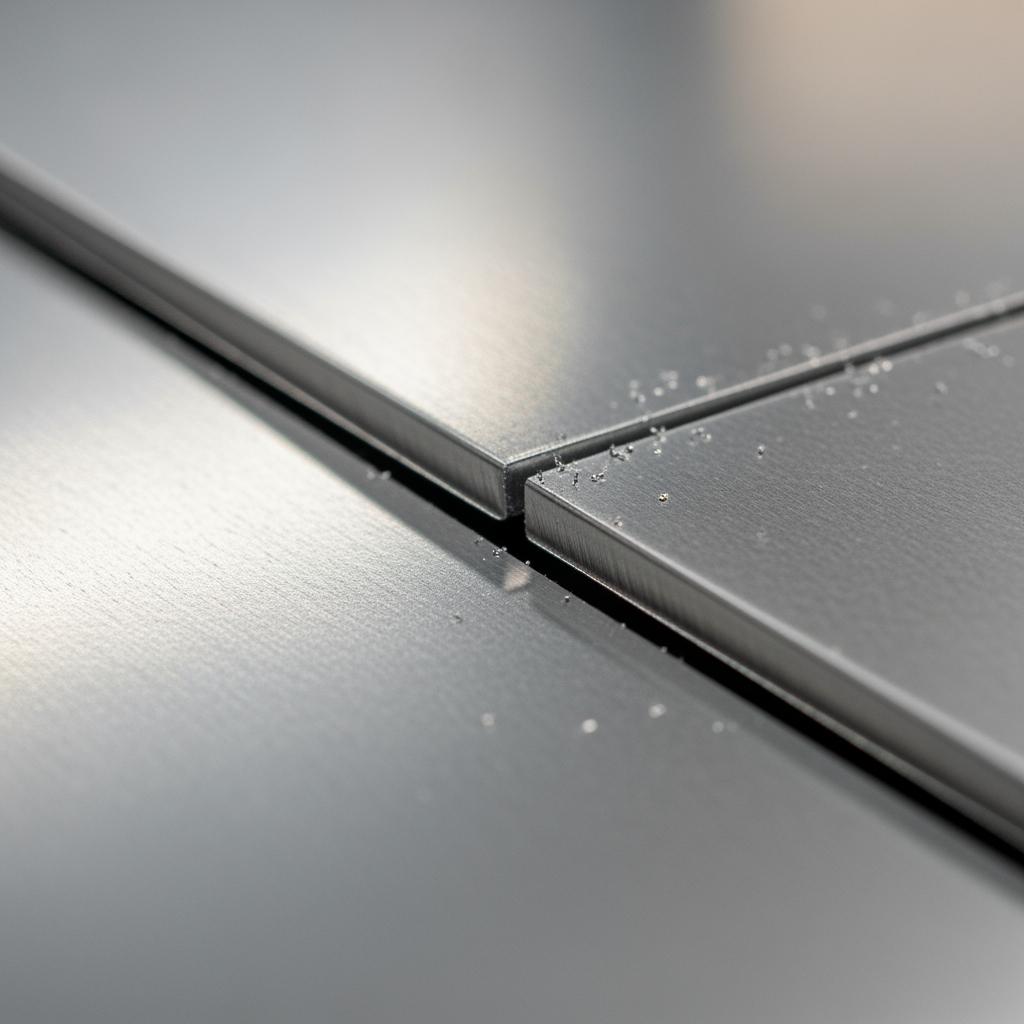
Precision Temper Grades for Tin-Coated Steel Raw Material Supply
Choosing the right temper grade is the fastest way to balance strength, formability, and cost in tin-coated steel. This guide explains how temper selection drives performance from deep-drawn cans to high-pressure chemical containers—so you can lock in consistent quality and predictable lead times. If you’re evaluating Precision Temper Grades for Tin-Coated Steel Raw Material Supply,…