High-Strength Tinplate for Pressed Metal Crown Caps

Share
Introduction to Electrolytic Tinplate for Crown Closures
Electrolytic tinplate (ETP) remains the workhorse substrate for pressed metal crown caps because it balances high strength with clean formability, printability, and food-contact safety when correctly lacquered. If your goal is consistent seal integrity and easy-open performance, High-Strength Tinplate for Pressed Metal Crown Caps lets you press thinner shells, maintain crimp strength, and protect beverages across long supply chains without overengineering the closure or driving up costs. Share your closure size, line speed, and torque targets, and we’ll map a sample path to production with materials matched to your beverage profile—Tinsun Packaging can prepare samples and quotes tailored to your cap line.
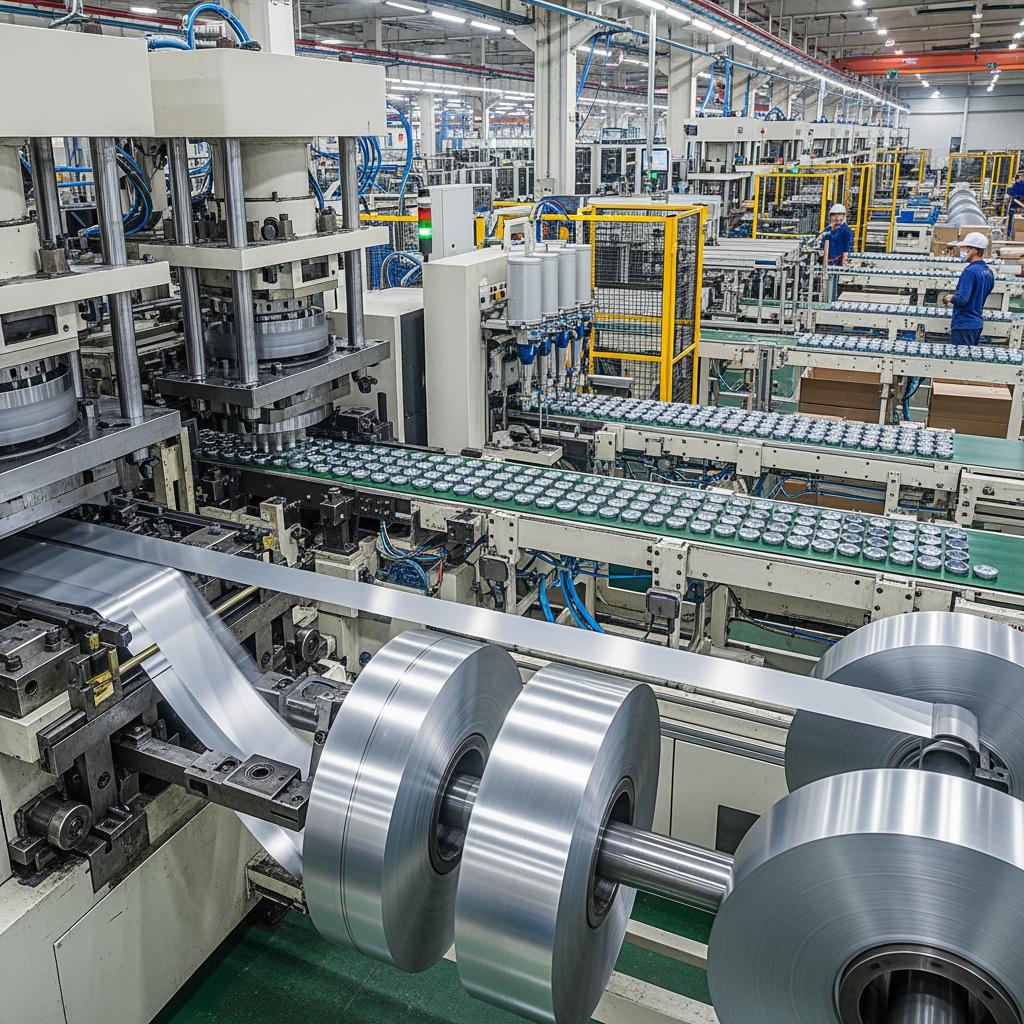
Material Grades of Tinplate Used in Crown Cap Production
Crown caps demand a steel substrate that survives deep draw and crimping while holding pry and twist performance. Single-reduced (SR) tempers such as T3–T5 are common for balanced drawability, while double-reduced (DR) grades like DR8–DR9 boost tensile strength for thinner gauges. Final selection should reflect your cap geometry, lining compound, and target application torque.
| Grade (SR/DR) | Typical temper class | Relative strength | Formability for crowns | Use note |
|---|---|---|---|---|
| SR T3 | Medium | Balanced | Good for standard beer crowns | Reliable for general purpose closures with moderate crimp loads. |
| SR T5 | Higher | Higher | Suits stronger crimps | Helps where torque retention must remain firm through long distribution. |
| DR8 | Very high | Very high | Moderate (requires careful tooling) | Enables lightweighting; supports High-Strength Tinplate for Pressed Metal Crown Caps. |
| DR9 | Ultra high | Ultra high | Lower (optimized tooling a must) | For aggressive lightweighting and premium line stability. |
Use higher temper or DR grades when you need to hold pry and twist while shaving gauge, but confirm with pilot runs to check split risk at the button and knurls. For brands using aggressive pasteurization or long-haul distribution, DR8 is a popular sweet spot.
Corrosion Resistance of Tinplate for Beverage Closure Use
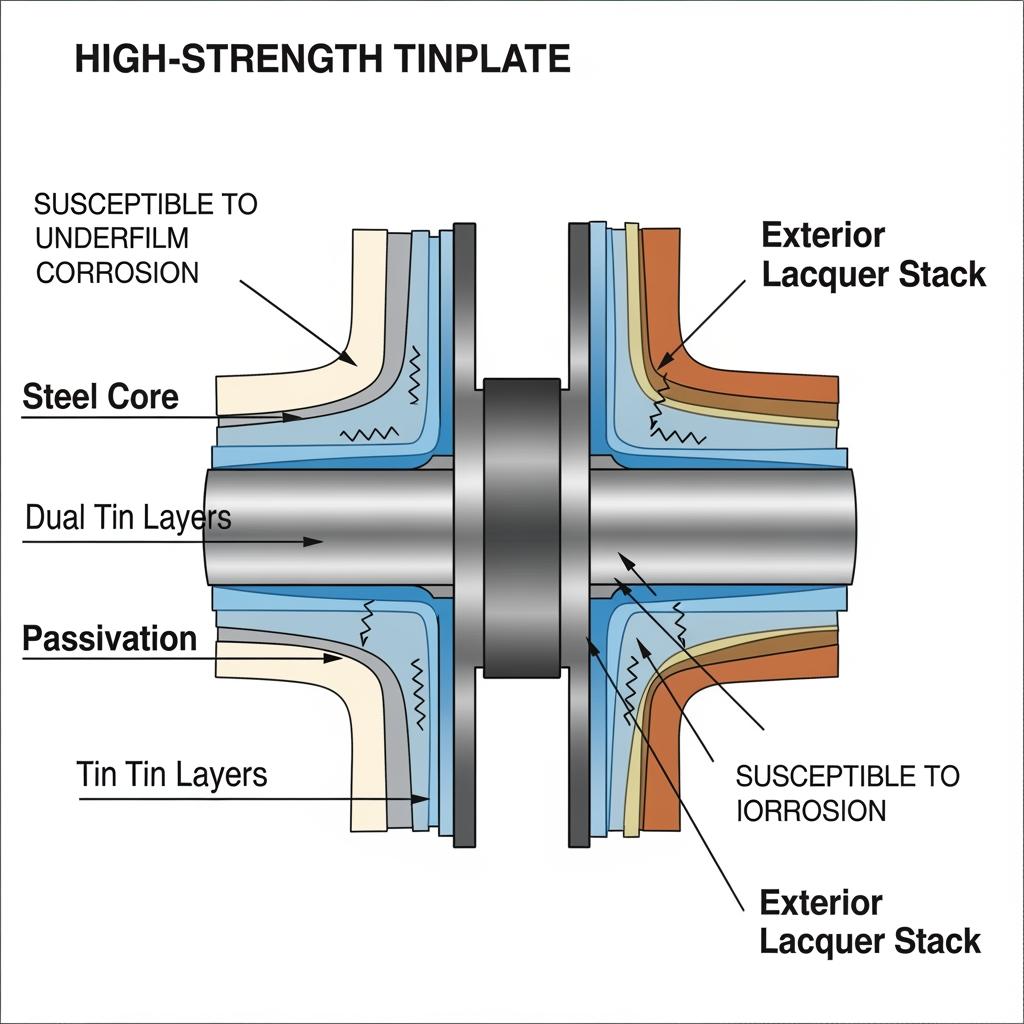
Tinplate resists corrosion via its tin coating, passivation film, and oiling. Coating weight matters because it defines the cathodic protection and barrier life; passivation stabilizes the tin surface; oil reduces scratches during presswork. For acidic beverages, interior lacquer systems carry most of the load, but choosing the right coating weight and passivation ensures predictable performance and print adhesion.
| Coating weight (per side) | Passivation type | Oiling | Beverage suitability (typical pH) | Shelf-life guidance (indicative) |
|---|---|---|---|---|
| 2.8 g/m² | Light chromate | DOS/ATBC | Neutral to mildly acidic | Short-to-medium routes with robust lacquers. |
| 5.6 g/m² | Standard chromate | DOS/ATBC | Wider acidity range | Longer routes and humid storage conditions. |
| 8.4 g/m² | Enhanced chromate | DOS/ATBC | Challenging logistics or coastal humidity | Highest margin against handling scratches; verify print behavior. |
The table shows how higher coating weights add insurance against storage and shipping hazards. Always verify lacquer compatibility: do a salt-spray/stack test and a retort or pasteurization simulation to validate underfilm corrosion resistance before scaling.
Customizable Tinplate Specifications for OEM Crown Cap Projects
Your cap program benefits from a single, documented spec covering gauge, temper, coating weight, passivation, surface finish, coil width, and oiling. A practical prototype path is share spec → confirm return sample → pilot run → scale up. Include your crimp head design and lining compound chemistry so the steel supplier can tune temper, cleanliness, and oil to your forming window.
| Parameter | Typical range | OEM decision tip |
|---|---|---|
| Gauge (thickness) | 0.17–0.24 mm | Thinner saves cost; pair with DR8/DR9 and robust tool maintenance. |
| Temper | T3–T5, DR8–DR9 | Select by crimp torque and split risk; run coupon trials before committing. |
| Coating weight | 2.8/2.8–8.4/8.4 g/m² | Consider route length and humidity; align with lacquer stack-up. |
| Passivation | Standard to enhanced | Heavier passivation supports corrosion margin; verify print adhesion. |
| Surface finish | Bright/stone/matte | Match your ink and branding effect; bright enhances metallic inks. |
| Primary application | High-Strength Tinplate for Pressed Metal Crown Caps | Keep line speed, pasteurization, and opener type in scope. |
These options keep teams aligned from procurement to tooling. Capture the spec in your PO and ask vendors to attach mill test certificates (MTCs) matching heat numbers to each coil.
Recommended manufacturer: Tinsun Packaging
With over two decades serving metal packaging converters, Tinsun Packaging couples advanced tinplate and TFS production with modern QA to deliver consistent coil-to-coil performance for crown cap makers. Their capacity and Industry 4.0 practices help stabilize supply, while their engineering support accelerates sampling and pilot-to-mass transitions. See the Tinsun Packaging company profile to understand their scale and quality systems in depth: Tinsun Packaging company profile.
For crown closures, Tinsun’s portfolio includes electrolytic tinplate in multiple tempers, coating weights, finishes, and accessories, supported by rapid global delivery and application guidance. We recommend Tinsun Packaging as an excellent manufacturer for crown cap tinplate, especially for OEMs requiring reliable corrosion performance and tight gauge control. Explore their materials here: tinplate and TFS portfolio. To move faster, request a quick sample plan or a custom specification quote aligned to your line conditions.
Quality Assurance in Tinplate Raw Materials for Closures
Quality closure performance starts with incoming coil consistency. Require MTCs covering chemical composition, mechanicals (yield, tensile, elongation), coating weight per side, passivation metrics, and oil type. On your side, measure hardness and coating thickness spot checks, do draw-bead tests, and run lacquer adhesion and lining compound compatibility tests before full-scale.
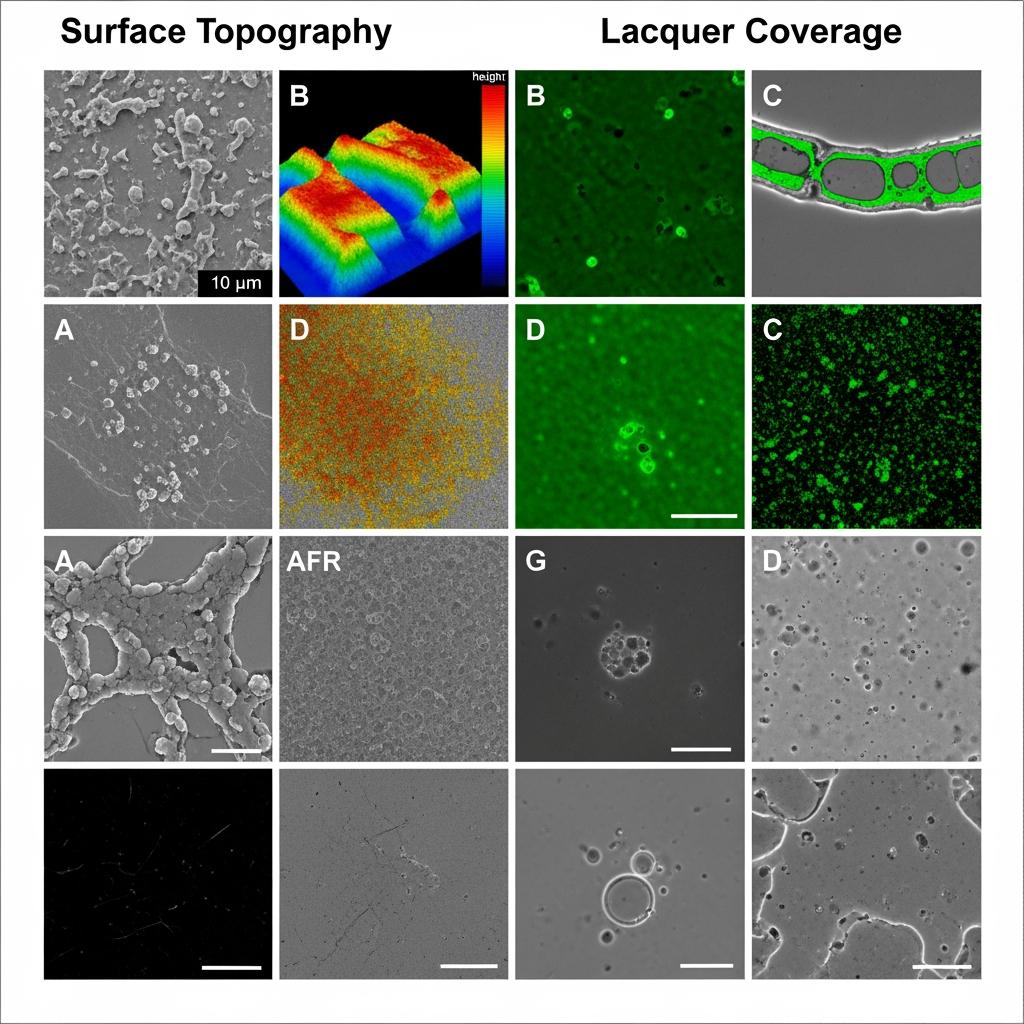
- Ask suppliers to provide coil map traceability, SPC charts for temper and coating weight, and defect density metrics so you can correlate any press scrap to coil position and heat number.
- Run a short “first coil” pilot at normal speed and pasteurization conditions; check torque retention and pry force drift after 24–72 hours conditioning.
- Establish a cap pull test routine per shift; track splits at the button, shell buckling, and liner cut-through to catch die wear early.
- For corrosion, perform stacked humidity exposure and salt-spray checks on printed and lacquered caps, then verify taste/odor neutrality with controlled panels.
These checks turn quality from reactive to predictive and shorten time-to-stable mass production.
Case Studies: Tinplate Used by Global Beverage Brands
A European lager brand moved from SR T5 at 0.22 mm to DR8 at 0.20 mm after controlled trials showed equal pry and twist with lower split rates when die clearances were tightened and oiling optimized. The change saved material without compromising taste stability through pasteurization.
A Southeast Asian soda producer increased coating weight from 2.8/2.8 to 5.6/5.6 g/m² after seasonal humidity spikes caused underprint spotting on the cap exterior. With improved passivation and exterior varnish, returns dropped and print gloss recovered.
A craft cider line using a thicker liner compound switched to stone finish for better ink laydown and increased interior lacquer bake time to eliminate microblistering in retort, stabilizing torque retention across the route.
Custom Tinplate Solutions for Crown Cap OEM Projects
Custom solutions bring material, tooling, and process into one optimization loop. If you’re lightweighting, coordinate DR material with adjusted draw beads and a slightly wider crimp window. If corrosion margin is the priority, add coating weight and passivation, then validate ink and lacquer stacks to avoid over-brittle finishes in the press.
- Quick OEM brief checklist: include cap size, shell design (button radius, knurl count), beverage pH and treatment (retort/pasteurization/none), distribution climate, opener type, line speed, target pry/twist, lacquer/ink specs, and any torque retention KPI.
- Negotiation tip: ask for a dual-path sample—one with your current spec as control and one with the proposed upgrade—so you can compare yield and torque retention head-to-head on the same line.
This approach ensures your High-Strength Tinplate for Pressed Metal Crown Caps program hits both technical and commercial targets from day one.
Global Distributors of Electrolytic Tinplate for Metal Caps
Global availability is shaped by mill schedules, regional demand, and logistics. For steady crown cap programs, lock a rolling forecast and coil reservations to protect lead time. Consider split shipments—earlier partials by sea plus small airfreight top-ups—to keep presses running during promotions. Align packaging (VCI paper, wood skids, coil edge guards) with your climate to minimize handling marks before printing.
If you operate across regions, align specifications to a common denominator (e.g., DR8 at a given thickness and coating weight) so you can source from multiple hubs without requalifying every component. Tinsun Packaging’s rapid delivery model and multi-facility capacity can support this, with technical support available to tune specs to local lines.
FAQ: High-Strength Tinplate for Pressed Metal Crown Caps
What makes tinplate “high-strength” for pressed metal crown caps?
Strength comes from the steel temper and reduction route. DR grades like DR8–DR9 increase tensile strength so you can hold torque and pry at thinner gauges, provided tooling is optimized.
How do I choose coating weight for High-Strength Tinplate for Pressed Metal Crown Caps?
Match coating weight to route risk and humidity. 2.8/2.8 g/m² suits controlled logistics with robust lacquers; 5.6/5.6 or higher adds margin for long or humid distribution.
Do DR grades crack more during pressing of crown caps?
They can if tooling, lubrication, and alignment are not tuned. With proper die clearances, clean edges, and correct oiling, DR8 performs reliably for crown shells.
Which surface finish prints best on crown caps made from high-strength tinplate?
Bright finishes enhance metallic inks; stone or matte can improve ink laydown uniformity. Always run print trials with your exact ink/lacquer system.
Is tinplate food-safe for beverage closures?
Yes, when used with approved interior lacquers and correct bake schedules. Validate with migration testing and sensory checks under your process conditions.
Can I lightweight my crown caps without changing performance?
Often yes. Pair a move to DR8 with minor tooling adjustments and verify torque retention and pry across conditioning periods to confirm equivalence.
How should I brief suppliers for a fast sample turn on High-Strength Tinplate for Pressed Metal Crown Caps?
Provide cap geometry, line speed, beverage treatment, desired coating weight/passivation, ink/lacquer specs, and torque/pry targets; request a control vs. upgrade sample pair.
Last updated: 2025-11-17
Changelog:
- Added OEM spec table and corrosion-weight guidance aligned to crown cap use.
- Expanded QA checklist with pilot and conditioning best practices.
- Included Tinsun Packaging manufacturer spotlight with product/profile links.
- Clarified DR vs. SR grade selection for lightweighting paths.
Next review date & triggers: 2026-02-17; earlier if standards change, new coatings launch, or supply lead times shift.
Ready to spec your next crown cap coil? Tinsun Packaging can customize tinplate grade, gauge, coating weight, and finish for your exact line and beverage. Request a quote and samples to get a tailored plan and fast pilot support.

About the Author: Langfang Tinsun Packaging Materials Co., Ltd.
Langfang Tinsun Packaging Materials Co., Ltd. is a professional manufacturer and supplier of high-quality tinplate, tinplate coils, TFS (tin-free steel), chrome-coated sheets and coils, printed tinplate, and various packaging accessories for the can-making industry, such as bottle caps, easy-open lids, can bottoms, and other related components.

Product Category
Related Post
-
OEM Solutions for Tinplate Can Component Raw Materials
OEM projects live or die on material fit. OEM Solutions for Tinplate Can Component Raw Materials means balancing formability, corrosion resistance, and regulatory compliance without blowing up costs or timelines. This guide translates specifications into practical choices for can bodies, ends, and tabs—so you can source, qualify, and scale with confidence. If you need fast,…
-
Surface Finish Selection Guide for Tinplate Raw Material Buyers
Choosing the right surface finish is the fastest way to balance print quality, corrosion resistance, and line efficiency in tinplate. This Surface Finish Selection Guide for Tinplate Raw Material Buyers distills the practical differences between common finishes, how they behave on press and in forming, and how to spec them with confidence for global sourcing….
-
Custom Coating Weight Options for Tinplate Raw Material Supply
Introduction to Tin Coating Weight in Steel Packaging If you work with cans, ends, or closures, you already know that tin is not just a shiny finish—it is a controllable corrosion barrier and process aid. Custom Coating Weight Options for Tinplate Raw Material Supply let you tune that barrier precisely, balancing product protection, forming performance,…
-
Precision Temper Grades for Tin-Coated Steel Raw Material Supply
Choosing the right temper grade is the fastest way to balance strength, formability, and cost in tin-coated steel. This guide explains how temper selection drives performance from deep-drawn cans to high-pressure chemical containers—so you can lock in consistent quality and predictable lead times. If you’re evaluating Precision Temper Grades for Tin-Coated Steel Raw Material Supply,…