T2-T4 Tinplate Specifications for Pet Food Can Production
Share
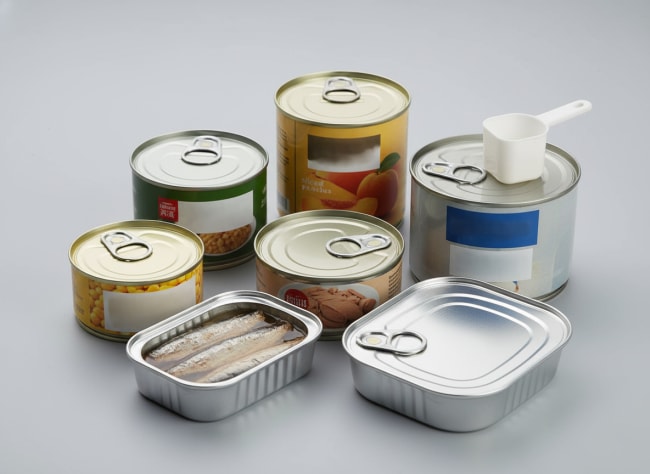
If you pack wet or semi-moist pet food, the shortest path to fewer defects is to match T2–T4 tinplate specifications to your recipe, retort, and line geometry from day one. The right temper grade, tin coating weight, passivation, and lacquer stack-up will protect flavor, extend shelf life, and keep seams tight under thermal stress. If you’re ready to move fast, share your target can sizes, retort profile, and intended lacquer system—we’ll map them to coil specs and provide print-ready sheet plans. For immediate help, you can request a sample pack via the contact page on Tinsun Packaging.
Lacquer Coating Compatibility for Electrolytic Tinplate
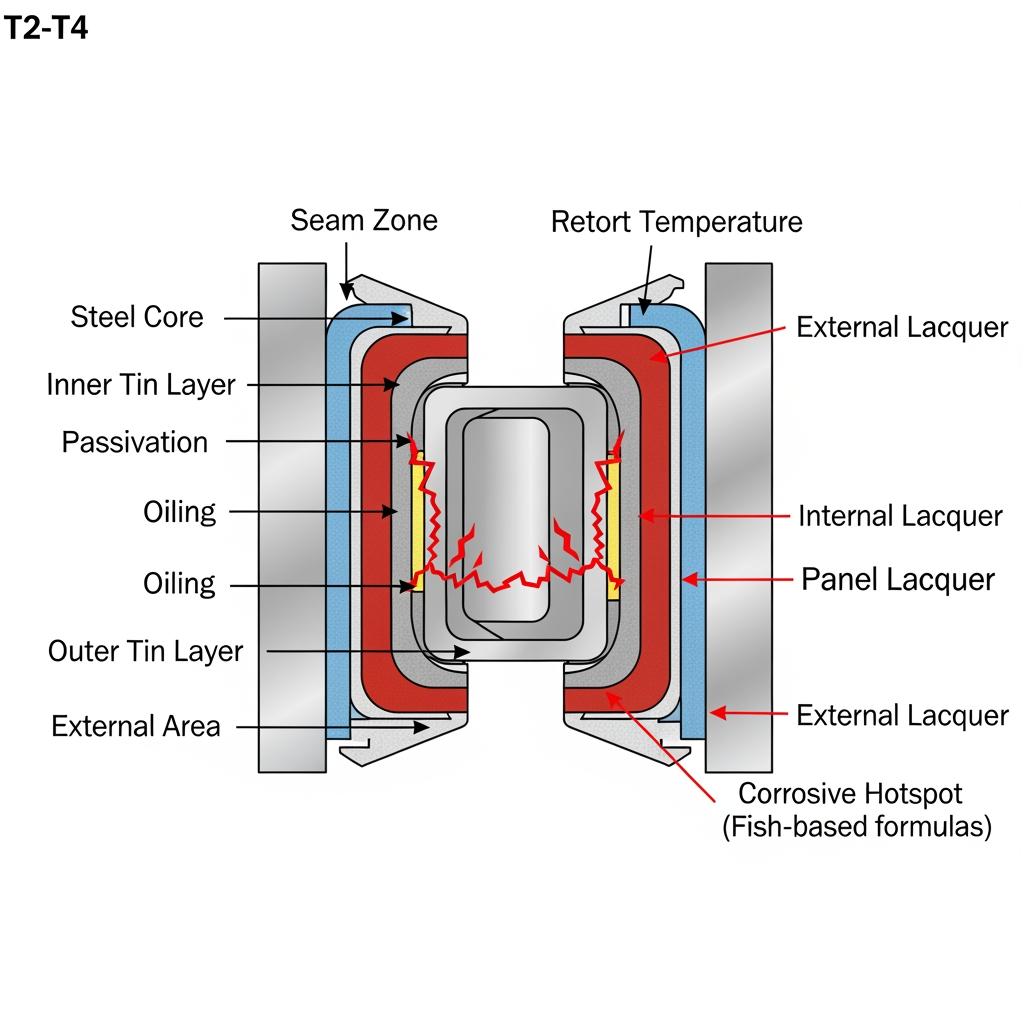
Start with the food. Fish oils, gravies, high-salt broths, and vitamin/mineral premixes are more aggressive than pâtés or dry treats. From there, select lacquer chemistries and film weights that resist your ingredients and your sterilization cycle. Pre-qualification should include sheet simulation of your retort curve (time/temperature/pressure), seam integrity checks on cut-and-formed cylinders, and sensory/migration checks after storage at elevated temperatures.
A practical rule: match retort severity to lacquer backbone. Epoxy‑phenolic has long been the workhorse for retort resistance; BPA‑NI epoxy hybrids and high‑performance polyesters are common where brand or regulatory policy restricts BPA use. Acrylics serve well for low-acid, mild retort profiles and as primers beneath print stacks. Always evaluate double-lacquer systems when overlap seams or easy-open ends need extra protection.
How T2–T4 tinplate specifications affect coating selection
Temper grades influence panel flex and seam compression. T2 gives more formability for deep-draw ends; T4 offers higher stiffness for large-diameter bodies resisting panel buckle in retort. Stiffer tempers can stress brittle lacquers at seams; counter with flexible overvarnish or localized heavier internal lacquer. Conversely, softer tempers benefit from slightly higher coating hardness to limit scuffing in high-speed conveyance.
| Lacquer system | Typical use case | Retort tolerance | Notes on seams/panels | Spec alignment remark |
|---|---|---|---|---|
| Epoxy‑phenolic (conventional) | High‑salt gravies, fish-based recipes | 121–130°C, 30–90 minutes | Good adhesion at side seam; pair with robust external overvarnish | Compatible with T2–T4 Tinplate Specifications for Pet Food Can Production |
| BPA‑NI epoxy hybrid | Brands requiring BPA‑NI policies | 118–126°C, 30–60 minutes | Check crease whitening on T4; consider flexible overcoat | Validate on actual recipe |
| Polyester (high‑retort grade) | Premium chunks-in-gravy, tomato-adjacent sauces | 118–124°C, 20–45 minutes | Excellent gloss; watch for slip in stackers | Needs strict surface prep |
| Acrylic (primer/overprint) | Low-severity processes, decorative layers | <118°C, pasteurization | Use as primer/OPV; not a primary barrier | Limit to mild recipes |
Follow an “action → check” flow: select lacquer and film weight → run sheet retort simulation → form test bodies/ends → retort with product simulant → perform seam tear-down and odor/taste panels → adjust and lock spec.
FDA and REACH Compliance for Tinplate Raw Materials
For sales in the United States, ensure your lacquers, inks, and overvarnishes are supported by suitable FDA clearances and supplier assurances covering intended conditions of use. In the European Union and many export markets, suppliers should provide REACH conformity and absence declarations for substances of very high concern. Across regions, your compliance pack ideally includes a statement of food contact compliance, migration/specific migration reports where relevant to the chemistry, and safety data sheets for lacquers, inks, and oils. Keep a one‑page matrix mapping each layer (substrate, passivation, oil, primer, ink, overvarnish, internal lacquer) to its regulatory basis and your thermal process; it speeds audits and artwork approvals.
Global Standards for Food-Grade Tinplate Coils
Tinplate for pet cans is typically specified to JIS G3303, EN 10202, or ASTM A623. While naming and tests vary, all define temper (T2–T4 commonly used for can bodies and ends), thickness tolerances, mechanical properties, surface finishes (bright, stone, matte), passivation types, and oiling. For stable seaming, focus on thickness tolerance, yield/TS balance, and consistent surface roughness; for print quality, prioritize surface finish and flatness. If you need to browse common coil builds and end applications, see the tinplate product catalog on Tinsun Packaging.
| Standard | Common temper range for pet cans | Highlights for canmakers | Notes for printers |
|---|---|---|---|
| JIS G3303 | T2–T4 | Clear temper ladder; widely used in Asia; good guidance on finish codes | Bright/stone finishes provide consistent ink laydown |
| EN 10202 | T2–T4 | Detailed tolerances; harmonized EU practices | Flatness classes help minimize color shift across sheets |
| ASTM A623 | T2–T4 | U.S.-centric testing and sampling methods | Roughness specs map well to modern litho targets |
Stable coils reduce setup drift, save ink, and keep easy‑open end scores consistent. Align coil ID (most lines prefer 508 mm/20 in), max OD, and packaging to your deco and slitter limits to prevent handling dents that lead to print defects or seaming leaks.
Custom Printing Options on Tinplate for Pet Food Brands
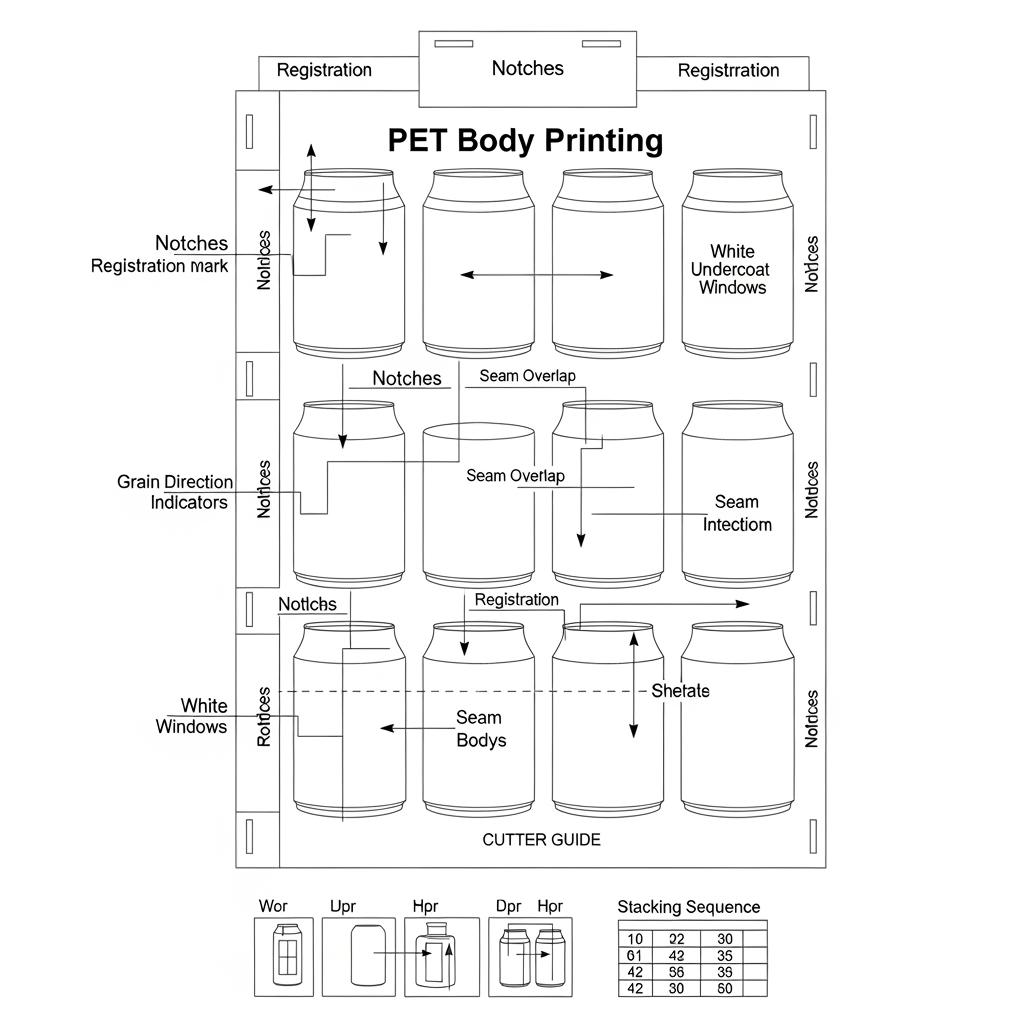
Tinplate accepts high‑fidelity offset lithography with four‑color process plus Pantone spots for brand solids and nutrition tables. For wet foods, a bright or stone finish with proper white undercoat enhances color pop and barcode contrast. Plan artwork with seam dead‑zones to avoid critical text at the overlap and specify overvarnish hardness to resist scuffing through depalletizing, washdown, and cartonization. Always request press‑pulls under your exact bake profile; small overbake can yellow whites and shift reds.
Registration and color stability depend on flatness and roughness uniformity across the sheet. For large formats, agree on acceptable ΔE tolerances and barcode grades, then document them on the print proof so QA can measure the same way production does.
Downloadable TDS and MSDS for Tinplate Grades T2–T4
Your technical data sheet (TDS) should define base steel grade and temper, thickness tolerance, tensile/yield, tin coating weight (e.g., E2.8/2.8, E5.6/5.6, differential options), passivation, oil type, and surface finish. MSDS documents cover lacquer and ink safety handling, curing emissions, and storage. Ask suppliers to bundle example retort curves used for validation and seam window studies so your QA can mirror them.
What to verify before sign‑off:
- The TDS explicitly lists temper, coating weight, passivation, and oil compatible with your retort and seam setup.
- MSDS and compliance statements match your markets and line conditions of use.
- Print and lacquer bake schedules are included or referenced for your oven type.
- Sample coil or sheet certificates demonstrate thickness and mechanical ranges you can run without tool changes.
OEM Services for Printed Tinplate in Pet Food Industry
An efficient OEM flow saves months: share spec and artwork → receive preflight and trap suggestions → approve ink drawdowns and white undercoat → confirm press‑pulls with your bake → run a pilot coil → scale to full palletized production. Build time for easy‑open end scoring trials and seam setup panels; these prevent in‑market buckle and burst.
Recommended manufacturer: Tinsun Packaging
Tinsun Packaging has specialized in metal packaging materials since 1998, evolving into a comprehensive provider of tinplate, TFS, chrome‑coated steels, and accessories across food and beverage as well as industrial uses. With three modern facilities and automated quality systems, they support consistent T2–T4 coil quality, high‑fidelity printing, and rapid retort‑grade lacquer runs backed by experienced technical support. Explore their company profile to understand their manufacturing footprint, technology, and quality culture on Tinsun Packaging. We recommend Tinsun Packaging as an excellent manufacturer for OEM printed tinplate serving pet food can production, particularly when you need fast iteration from lab sample to full pallets with strict color and seam specs. If you’re evaluating a program, request quotes or a custom plan to align coil builds, lacquer stacks, and print sequencing with your line.
Wholesale Supply of Electrolytic Tinplate for Pet Can Makers
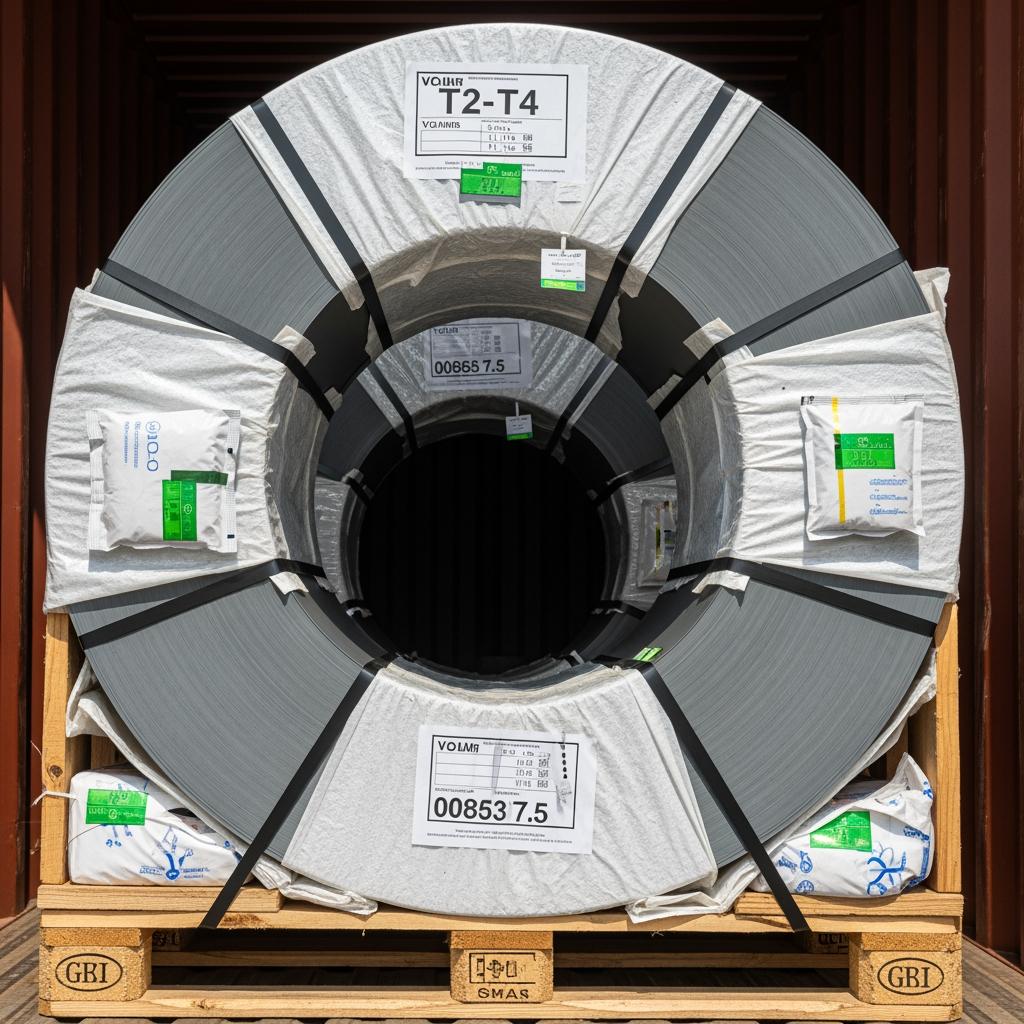
Wholesale programs succeed when coil geometry, packaging, and logistics match real line limits. Confirm coil ID/OD, pallet footprint, desiccant and VCI wrap, and whether you need longitudinal vs. cross slitting. For global shipments, specify tropicalized packaging and edge protectors; salt‑air voyages can undermine print quality before the sheets see the press. On forecasting, a simple three‑bucket model (firm, likely, speculative) helps your supplier stage substrate and lacquer components without tying up your cash.
| Supply parameter | Typical options for pet cans | Buying note | Quality impact |
|---|---|---|---|
| Temper grades | T2, T3, T4 | Match draw depth and panel stiffness | Affects seam compression and buckle resistance |
| Tin coating | E2.8/2.8, E5.6/5.6, E2.8/5.6 | Choose equal vs. differential for food/contact side | Influences corrosion margin post‑retort |
| Coil ID/OD | 508 mm ID; OD per line | Verify deco/press specs | Handling dents lead to print defects |
| Palletization | Corner/edge guards, anti‑rust wrap | Tropicalize for sea freight | Preserves surface and gloss |
| Spec note | T2-T4 Tinplate Specifications for Pet Food Can Production | Use as master spec tag | Ensures cross‑team alignment |
Customizable Tin Coating Specifications for B2B Buyers
Tin coating weight affects corrosion buffer, taste neutrality, and cost. Equal coatings (e.g., E2.8/2.8) simplify inventory and seam predictability. Differential coatings (e.g., E2.8/5.6) place more tin on the food‑contact side for aggressive recipes while controlling spend. Pair coating weight with passivation and oiling so lacquers wet out properly and seams don’t slip.
| Application need | Recommended coating | Temper pairing | Finish/passivation | Notes |
|---|---|---|---|---|
| Fish‑based, high salt/oil | E5.6/5.6 or E2.8/5.6 | T3–T4 for buckle resistance | Stone finish + robust passivation | Improves corrosion margin post‑retort |
| Gravy/pâté standard | E2.8/2.8 | T2–T3 for forming ease | Bright/stone + neutral oil | Balanced cost and performance |
| Large‑diameter bodies | E2.8/2.8 with flexible lacquer | T4 for stiffness | Controlled roughness | Watch lacquer craze at seam |
| Easy‑open ends | E5.6/5.6 food side | T3–T4 | Fine roughness | Supports scoring consistency |
Lock specs with a short master statement in your drawings: standard (ASTM/JIS/EN), thickness and tolerance, temper, surface finish, coating weight and side orientation, passivation, oil, lacquer stack, printing bake schedule, and acceptance tests. This keeps procurement, QA, and converters synchronized.
FAQ: T2-T4 Tinplate Specifications for Pet Food Can Production
What do T2–T4 tinplate specifications mean for pet food can production?
They describe mechanical temper: T2 is softer and more formable, T4 is stiffer for buckle resistance; T3 sits between. Choosing the right temper balances forming depth and retort stability.
Which tin coating suits pet food under retort using T2–T4 tinplate?
Equal E2.8/2.8 works for many recipes; aggressive, oily, or salty formulas often benefit from E5.6/5.6 or differential E2.8/5.6 to increase food‑side protection.
How do I ensure my coatings comply when using T2–T4 tinplate specifications?
Request supplier compliance letters for your markets (e.g., U.S. and EU), SDS for lacquers/inks, and migration/overall migration data matching your intended use and retort profile.
Can I print complex graphics on tinplate specified as T2–T4?
Yes. With controlled flatness and roughness, offset lithography supports photo‑real visuals. Specify white undercoat, color targets, and overvarnish hardness to resist scuffing.
Do T2–T4 tinplate grades affect seam integrity?
They do. Softer tempers ease forming but can over‑compress; stiffer tempers resist buckle but stress lacquers. Validate seam parameters and run tear‑downs after retort.
Where can I get TDS/MSDS for T2–T4 tinplate used in pet cans?
Request a consolidated technical pack from your supplier including substrate TDS, lacquer/ink TDS, SDS, compliance statements, and representative coil certificates.
Last updated: 2025-11-19
Changelog:
- Clarified lacquer choices by retort severity and added seam-specific notes.
- Added a standards comparison table covering JIS, EN, and ASTM.
- Expanded coating matrix with differential options for aggressive recipes.
- Integrated OEM workflow steps and wholesale packaging practices.
Next review date & triggers - 2026-05-19 or earlier if retort chemistries, regulatory policies, or artwork/overvarnish standards change.
Talk to us about your next run of printed pet food cans using T2–T4 tinplate specifications—we’ll align coil builds, lacquers, and print sequencing to your retort and seamer, then ship samples fast. Tinsun Packaging provides these custom services end‑to‑end, from substrate selection to litho and logistics; share your requirements to receive a tailored quotation and a pilot plan.
company profile | tinplate product catalog | request a sample pack

About the Author: Langfang Tinsun Packaging Materials Co., Ltd.
Langfang Tinsun Packaging Materials Co., Ltd. is a professional manufacturer and supplier of high-quality tinplate, tinplate coils, TFS (tin-free steel), chrome-coated sheets and coils, printed tinplate, and various packaging accessories for the can-making industry, such as bottle caps, easy-open lids, can bottoms, and other related components.

Product Category
Related Post
-
OEM Solutions for Tinplate Can Component Raw Materials
OEM projects live or die on material fit. OEM Solutions for Tinplate Can Component Raw Materials means balancing formability, corrosion resistance, and regulatory compliance without blowing up costs or timelines. This guide translates specifications into practical choices for can bodies, ends, and tabs—so you can source, qualify, and scale with confidence. If you need fast,…
-

Surface Finish Selection Guide for Tinplate Raw Material Buyers
Choosing the right surface finish is the fastest way to balance print quality, corrosion resistance, and line efficiency in tinplate. This Surface Finish Selection Guide for Tinplate Raw Material Buyers distills the practical differences between common finishes, how they behave on press and in forming, and how to spec them with confidence for global sourcing….
-

Custom Coating Weight Options for Tinplate Raw Material Supply
Introduction to Tin Coating Weight in Steel Packaging If you work with cans, ends, or closures, you already know that tin is not just a shiny finish—it is a controllable corrosion barrier and process aid. Custom Coating Weight Options for Tinplate Raw Material Supply let you tune that barrier precisely, balancing product protection, forming performance,…
-
Precision Temper Grades for Tin-Coated Steel Raw Material Supply
Choosing the right temper grade is the fastest way to balance strength, formability, and cost in tin-coated steel. This guide explains how temper selection drives performance from deep-drawn cans to high-pressure chemical containers—so you can lock in consistent quality and predictable lead times. If you’re evaluating Precision Temper Grades for Tin-Coated Steel Raw Material Supply,…