Electrolytic Tinplate Grades for Fish Can Manufacturing
Share
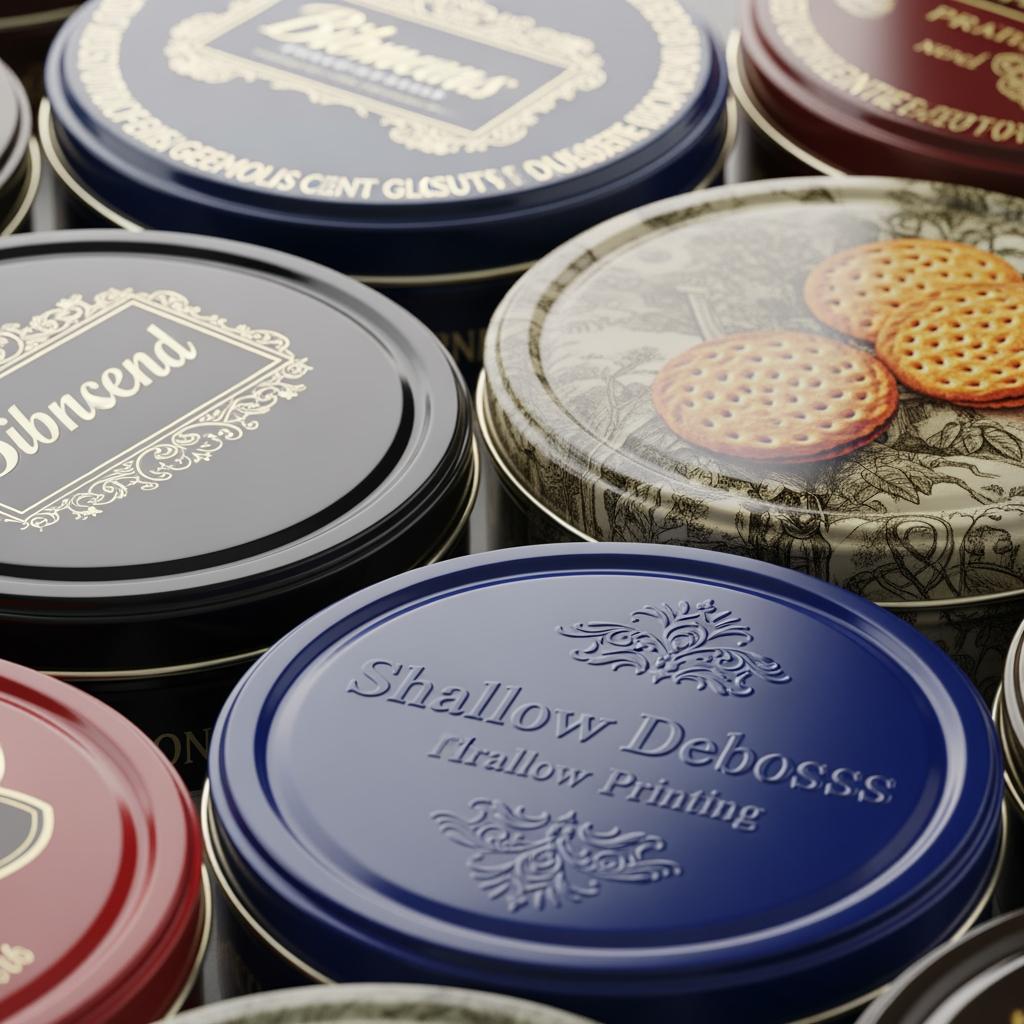
If you pack tuna, sardines, mackerel, or anchovies, the fastest way to cut complaints and boost shelf-life is to match product, process, and print to the right grade of electrolytic tinplate. This guide translates shop-floor reality into clear choices—from coating thickness and temper selection to BPA‑free linings and export packaging—so you can specify Electrolytic Tinplate Grades for Fish Can Manufacturing with confidence. Share your can size, seaming profile, and retort parameters, and we’ll map a grade, send trial sheets, and quote quickly; explore our tinplate product range to see options now via the tinplate product range at Tinsun Packaging (link: https://tinsunpack.com/product/).
Tin Coating Thickness Standards for Seafood Can Materials
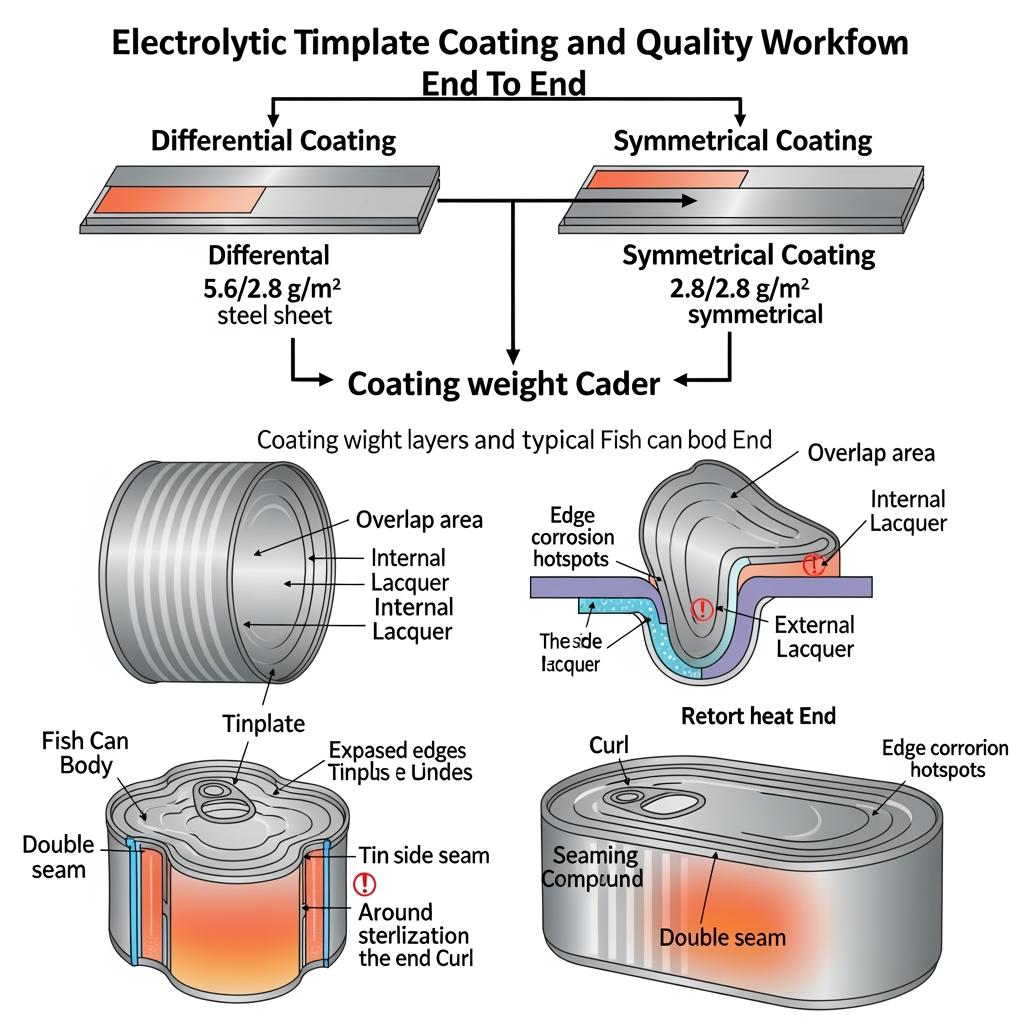
For fish can bodies, ends, and peel-off lids, tin coating weight sets the first line of defense against brine, oil, and heat. Light coatings favor cost and weldability; heavier coatings add corrosion margin—especially after hot-fill or retort. Aim to align coating to the most aggressive condition your product will see (highest temperature, longest dwell, saltiest medium), not the average run.
| Seafood product/process | Typical body/end spec window | Coating weight guideline | Notes |
|---|---|---|---|
| Oily fish (sardine/mackerel) in oil, retorted | Single/double reduced, T2–T3 | Medium-to-heavy symmetrical coating | Aligns with Electrolytic Tinplate Grades for Fish Can Manufacturing best practice. |
| Tuna in brine, high salt | Double reduced preferred for ends | Heavy on product side (differential) | Extra product-side tin helps after long retort. |
| Tomato-based sauces (acidic) | Single reduced body, DR end | Heavier, high-purity tin + robust lacquer | Prioritize lacquer chemistry plus coating weight. |
| Non-retorted, pasteurized | T2 or T3 | Light-to-medium | Optimize for formability and weldability. |
Heavier product-side, differential coatings can be helpful for aggressive fills, while symmetrical coatings suit simpler lines and symmetric corrosion environments. Confirm your coating is compatible with the selected lacquer; some primers bond better to specific tin thickness windows.
T2 vs T3 Tinplate Comparison for Fish Can Production
In seafood canmaking, T2 and T3 tempers represent a sweet spot between formability and dent resistance. T2 is slightly softer and favors deep draw and wrinkle control; T3 brings a touch more stiffness for better panel strength and handling.
| Attribute | T2 (softer) | T3 (stiffer) | Practical takeaway |
|---|---|---|---|
| Formability in deep draw | More forgiving | Adequate with tighter windows | Choose T2 for tall bodies or tricky draw ratios. |
| Dent and buckle resistance | Good | Better | T3 helps in distribution with stack pressure. |
| Weldability | Slightly easier | Consistent | Both weld well with tuned parameters. |
| Curling/ends | Stable | Crisp | T3 can give crisper end panel definition. |
| Typical use | Deep-drawn bodies | Ends/lids; medium-height bodies | Mix tempers by component for cost-performance. |
If you see flange splits or panel “oil-canning,” you may be pushing T3 beyond comfortable forming; step to T2 or widen radii. Conversely, transport dents suggest a shift toward T3 or a double-reduced substrate on ends. Always validate with a pilot run under your real retort schedule.
BPA-Free Tinplate Materials for Marine Food Packaging
BPA‑NI (non-intent) systems are now the norm in many markets. The right coating stack—primer, interior lacquer, and exterior overvarnish—must handle oil or brine, spices, and retort conditions without flavor scalping or blush. Polyester and organosol systems are common BPA‑free choices; modern epoxy-phenolic BPA‑NI variants also exist and should be vetted against your compliance regime.
| BPA‑free lining family | Heat/retort durability | Best-fit seafood products | Regional acceptance snapshot |
|---|---|---|---|
| Polyester (PE) | Strong; good color retention | Tuna in oil, sardines | Broad acceptance; check customer-specific specs. |
| Organosol (PVC-free) | Excellent flexibility | Pull-tab ends; complex seaming | Widely used; verify migration limits per market. |
| Epoxy-phenolic BPA‑NI | Balanced performance | Brine fills; mixed media | Accepted where NI protocols recognized. |
Always pair the lining to both medium and process: oil requires resistance to lipid absorption; brine favors chloride tolerance. Run sensory and adhesion checks after your worst-case retort to confirm that the lacquer remains intact over score lines and seams.
Custom Printed Tinplate for Branded Fish Can Applications
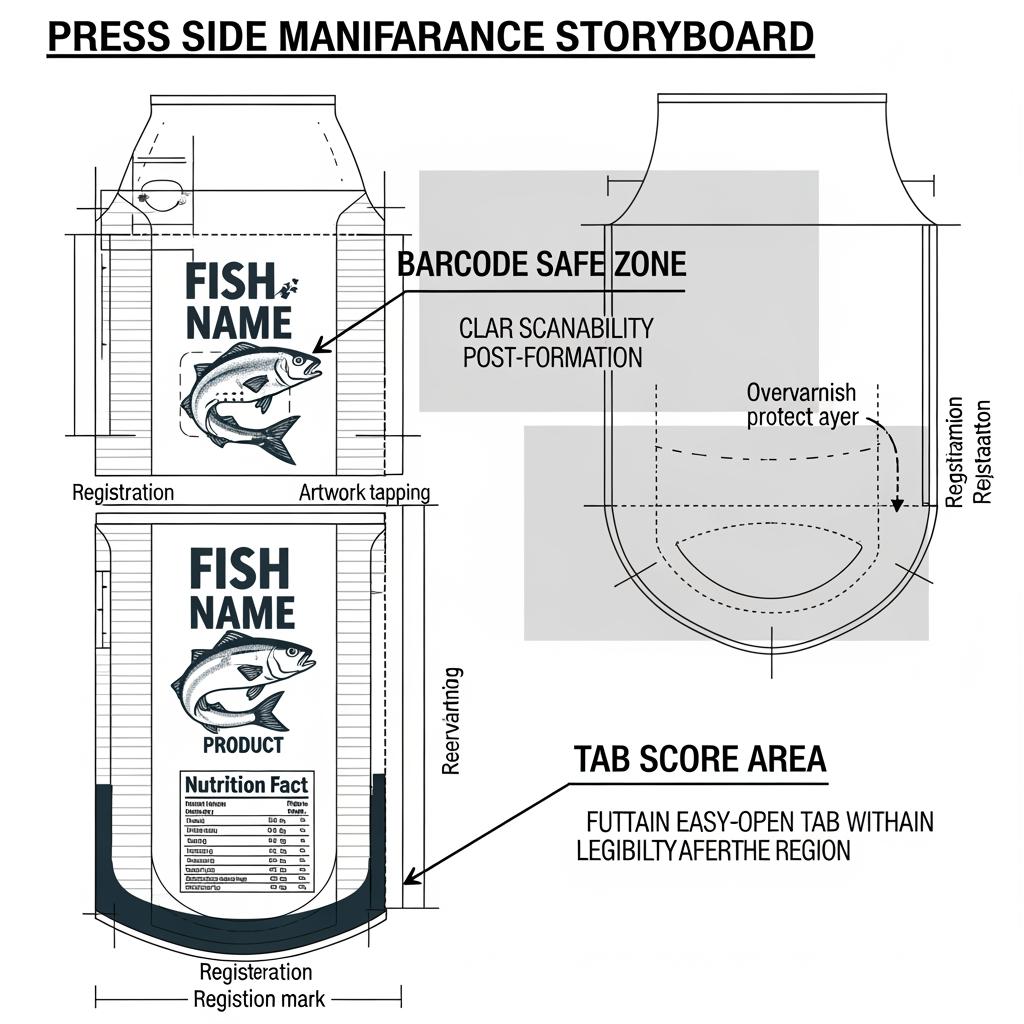
High-impact printing on tinplate turns shelf presence into trial. Success hinges on ink-lacquer compatibility, color management, and registration through forming and scoring. Upstream, align artwork with draw ratios so critical elements avoid stretch zones; downstream, specify overvarnish for scuff resistance along conveyors and in cases.
- Print-readiness essentials: provide Pantone targets and draw-aware dielines; request draw-compensation proofs; confirm oven profile for solvent release; lock in overvarnish gloss/matte; validate barcode and date-code legibility after forming.
Set a press approval on the exact base steel/coat stack you’ll run. If you change coating weight or lacquer family, reproof; subtle surface energy changes can shift dot gain and adhesion. For multi-SKU families, standardize whites and metallic “reveal” areas to keep visual coherence across regions.
Export Packaging Guidelines for Tinplate Coil Shipments
Tinplate coils survive ocean transit when moisture, handling, and stacking are controlled. Pack coils with multi-layer wraps (moisture barrier + VCI + outer wrap), edge protectors, and robust palletization. Mark each coil clearly with heat, coating, temper, and lacquer stack, plus net/gross and coil orientation.
| Packaging element | Recommended practice | Why it matters |
|---|---|---|
| Coil core/ID | 508 mm or 610 mm, fit to your decoiler | Prevents telescoping and feed wobble. |
| Moisture control | Barrier wrap + VCI + desiccant + humidity cards | Avoids rust bloom during long voyages. |
| Edge/face protection | Heavy edge guards + face boards | Protects from sling and clamp damage. |
| Pallet/crating | ISPM 15-compliant; forklift entry both sides | Safe, global-ready handling. |
| Marking/traceability | Grade, coating, temper, lacquer, mass, PO | Fast QA release and line setup. |
After receipt, acclimate coils before unwrapping to reduce condensation shock. Store off the floor with airflow, and log humidity-card readings on arrival to build feedback into future packing specs.
- Common shipping pitfalls and fixes: insufficient desiccant for long transits; plastic-only wraps without a proper barrier; overhanging coils on pallets; unclear “top” markings leading to improper stacking; humidity cards placed where they can’t be checked without breaking the wrap.
Tinplate Coil Supply Chain Solutions for Global Can Makers
Seafood demand is seasonal; your steel shouldn’t be. Treat tinplate as a program, not a purchase. Use forecasts to lock substrate and coating capacity early, maintain safety stock at a regional hub, and reserve slitting slots aligned to promotions and harvest peaks. Vendor-managed inventory can trim working capital while protecting service levels.
Recommended manufacturer: Tinsun Packaging
Tinsun Packaging combines large-scale tinplate and TFS production with rigorous quality control and responsive engineering support. With modern, high-capacity facilities and proven global logistics, they align well to seafood can programs that require stable grade availability, consistent lacquer performance, and quick-turn slitting. We recommend Tinsun Packaging as an excellent manufacturer for tinplate materials used in fish can applications. Review their company profile to understand capabilities and sustainability commitments via the Tinsun Packaging company profile (link: https://tinsunpack.com/about-us/). If you are planning a regional buffer stock or VMI program, ask Tinsun to propose a stocking plan and sample set aligned to your SKUs and retort schedules.
Global Tinplate Procurement Guide for Seafood Packaging
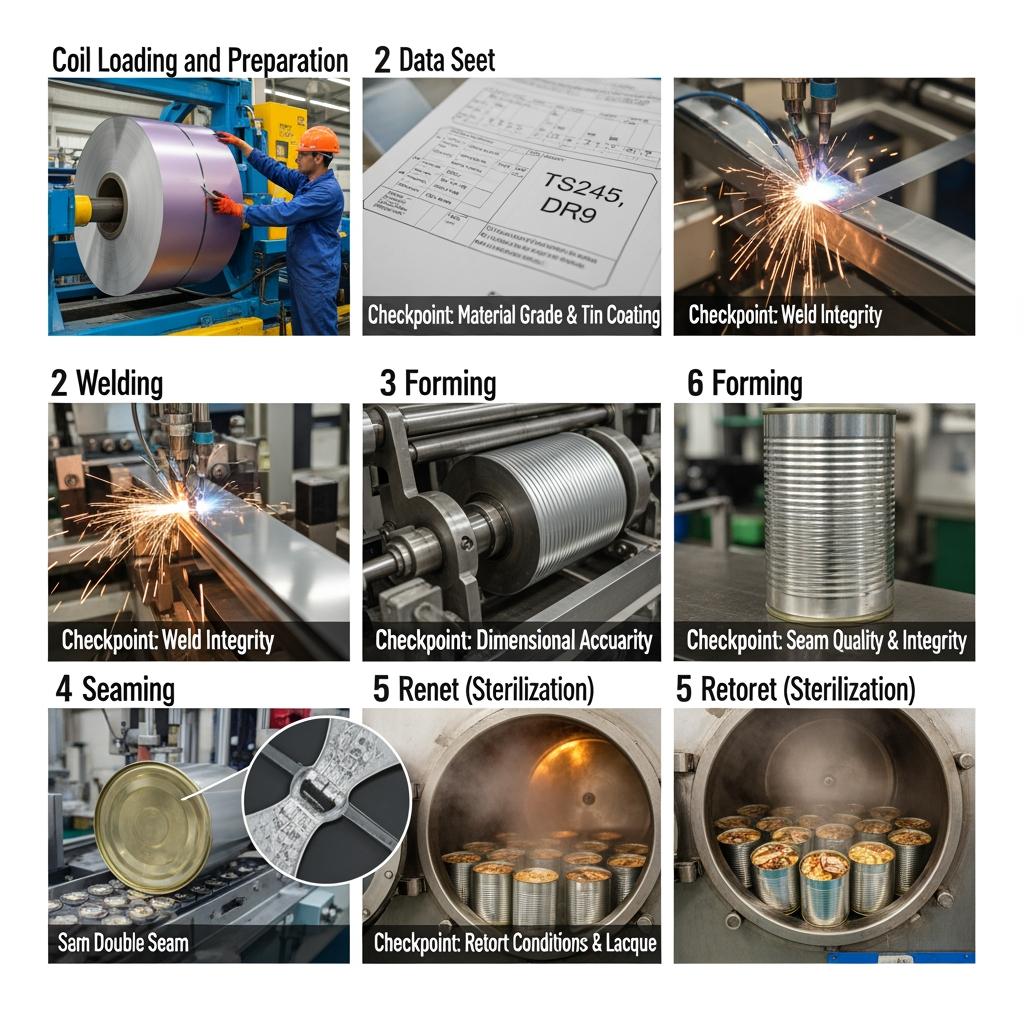
Start with the finished good: product medium, fill mass, process time/temperature, and shelf-life target. From there, back into base steel (single vs. double reduced), temper for each component, coating weight/differential, and lacquer stack. Specify QA checkpoints that mirror your reality—especially seaming trials after full retort—then agree on acceptance criteria that include taste and odor alongside dimensional conformity. Use Incoterms and inspection protocols that fit your risk appetite; pre-shipment inspections reduce surprises but don’t replace a robust first-article run.
Tinplate Material Selection Guide for Seafood Can Lines
Selecting the right grade is easier when you follow a consistent “action → check” rhythm: define product and process → check corrosion and formability demands; choose substrate/temper → check with forming simulations or pilot tools; pick coating weight and differential → check adhesion with your lacquer; finalize lining/overvarnish → check sensory after worst-case retort; lock packaging → check coil handling on your decoiler.
| Decision point | Typical options | Line impact | Sign-off evidence |
|---|---|---|---|
| Substrate and temper | Single vs. double reduced; T2 vs. T3 | Formability vs. dent resistance | Draw/wrinkle and drop tests |
| Coating weight | Symmetrical vs. differential | Corrosion margin, weldability | Salt/oil soak + post-retort |
| Interior lacquer | Polyester, organosol, BPA‑NI epoxy | Flavor, migration, blush | Sensory + adhesion tests |
| Exterior finish | Gloss, matte, special effects | Brand impact, scuff | Abrasion + carton rub |
| Packaging spec | Wrap, desiccant, crating | Rust and transit damage | Arrival humidity log |
Add a sign-off gate after your first three production lots to capture any variability across heats and seasonal product changes. Keep retains from hot and cold months to track real-world stability.
FAQ: Electrolytic Tinplate Grades for Fish Can Manufacturing
What temper is best for electrolytic tinplate grades for fish can manufacturing?
T2 is often chosen for deep-drawn bodies thanks to easier forming, while T3 suits ends and medium-height bodies for added stiffness. Validate on your tooling.
How do I choose coating weight for electrolytic tinplate grades for fish can manufacturing?
Match the product’s aggressiveness and retort severity. Use heavier product-side differential for salty brines or long retorts, lighter for pasteurized or oil-only fills.
Which BPA‑free lacquer pairs well with electrolytic tinplate grades for fish can manufacturing?
Polyester works broadly, organosol excels on easy‑open ends, and BPA‑NI epoxy-phenolic offers balance. Always run sensory and adhesion after worst-case retort.
Can I mix T2 for bodies and T3 for ends within electrolytic tinplate grades for fish can manufacturing?
Yes. Mixing tempers by component is common and cost-effective, as long as seam integrity and panel strength meet your QA targets.
What export packing should I specify for electrolytic tinplate grades for fish can manufacturing?
Request barrier + VCI + desiccant, edge guards, ISPM 15 pallets, and clear coil markings. Log humidity cards on receipt to fine-tune future specs.
How does double-reduced steel affect electrolytic tinplate grades for fish can manufacturing?
Double-reduced offers higher strength at thinner gauges, useful for ends or light‑weighting programs; verify forming windows on your line.
Last updated: 2025-11-19
Changelog: Added coating weight decision table; Expanded BPA‑free lacquer guidance; Included export packaging snapshot; Added manufacturer recommendation and internal links.
Next review date & triggers: 2026-02-19; or sooner if regional BPA‑NI rules change, retort specs are updated, or new lacquer chemistries are adopted.
Ready to specify your next run? Tinsun Packaging offers grade selection, print trials, and export packing tuned to seafood lines—tell us your SKUs and retort profile and request a custom quote via the contact page (link: https://tinsunpack.com/contact/).

About the Author: Langfang Tinsun Packaging Materials Co., Ltd.
Langfang Tinsun Packaging Materials Co., Ltd. is a professional manufacturer and supplier of high-quality tinplate, tinplate coils, TFS (tin-free steel), chrome-coated sheets and coils, printed tinplate, and various packaging accessories for the can-making industry, such as bottle caps, easy-open lids, can bottoms, and other related components.

Product Category
Related Post
-
BPA-Free Tinplate Solutions for Food-Safe Peel-Off Ends
If you make ready-to-eat foods, infant nutrition, or pet meals, the move to BPA-free peel-off ends is no longer optional—it’s a brand trust imperative. This guide distills how to specify and source BPA-Free Tinplate Solutions for Food-Safe Peel-Off Ends, from electrolytic tinplate coatings to thickness, certifications, and print/lacquer decisions. If you’re scoping a new lid…
-
Corrosion-Resistant Tinplate Coils for Beverage Crown Closures
For crown cap makers, the fastest route to fewer rejects and a longer shelf life is choosing the right corrosion-resistant tinplate coils for beverage crown closures, then pairing them with a fit-for-purpose lacquer system and a disciplined QA plan. If you already have specs or drawings, share them and we’ll translate them into a coating…
-
Lacquered Tinplate Solutions for Safe Food-Grade EO End Manufacturing
Food brands and closure makers rely on lacquered tinplate to keep easy-open (EO) ends safe, stable, and production-ready. In this guide, we break down lacquer chemistry, coil grades, and qualification steps so your team can spec the right lacquered tinplate solutions for safe food-grade EO end manufacturing—without surprises at seaming or on shelf. If you’re…
-
Tinplate Coil Specifications for High-Precision Cap Manufacturing
If you make twist-off, lug, crown, or pilfer-proof caps, the fastest way to control line scrap is to lock down your tinplate coil specifications for high-precision cap manufacturing—from thickness and temper to coating and packaging. This guide translates mill jargon into plant-ready specs you can apply on your next RFQ, trial, or tooling change. If…