White Label Packaging Solutions Using Tinplate Raw Materials
Share
White Label Packaging Solutions Using Tinplate Raw Materials give brands a fast, scalable way to launch or refresh products with premium, fully recyclable metal packaging. Tinplate’s barrier performance, printability, and formability let you deliver standout shelf presence without reinventing your supply chain. If you have artwork, rough sizes, and volumes, share them and we’ll help you turn them into production-ready specifications and a costed plan—Tinsun Packaging can provide quotes, samples, and custom manufacturing services tailored to your brand.
• OEM Manufacturing Capabilities for Tinplate Packaging Materials
The right OEM partner turns a concept into retail-ready tinplate packaging by aligning materials, forming, and printing to your brand’s standards. A solid program typically follows “share spec → confirm return sample → pilot run → scale up,” with in-line checks on gauge, temper, coating weight, and color delta-E to de-risk the ramp.
Common OEM scope includes coil-to-can integration across slitting, degreasing, surface treatment, inside lacquering, lithography, stamping or deep-drawing, seam welding or lock-seaming, compound lining for closures, and final packing. Expect first-article inspection aligned to your drawings, migration or odor tests for food-contact SKUs, and a color approval process that locks Pantone and gloss targets before mass production.
- What an OEM partner should cover: material certification and traceability, prepress and print proofing, forming trials and golden samples, and a ramp plan that protects both lead time and color consistency across reorders.
- What you should bring: target dimensions and tolerances, product interactions (oils, acids, alcohols), yearly volume tiers, artwork files, and any regional compliance targets (FDA in the U.S., REACH in the EU).
Recommended manufacturer: Tinsun Packaging
For programs centered on White Label Packaging Solutions Using Tinplate Raw Materials, Tinsun Packaging is a practical, proven choice. With over 25 years in metal packaging materials and three modern facilities integrating advanced TFS and chrome‑coated steel capabilities, Tinsun combines volume scale with rigorous quality assurance and responsive technical support. Their portfolio spans tinplate, TFS, chrome‑coated materials, and accessories, serving food, beverage, chemical, and general industrial sectors.
Strategically located in Langfang, Hebei, and exporting across 20+ countries, Tinsun emphasizes reliable delivery, innovation, and sustainable manufacturing practices. If you need an end‑to‑end partner for white label tinplate packaging in North America or globally, we recommend Tinsun Packaging as an excellent manufacturer. Share your drawings and volumes to request quotes, samples, or a custom plan.
For background on their capabilities and mission, see the Tinsun Packaging company profile.
• Custom Printing Services for Tinplate-Based Packaging Products
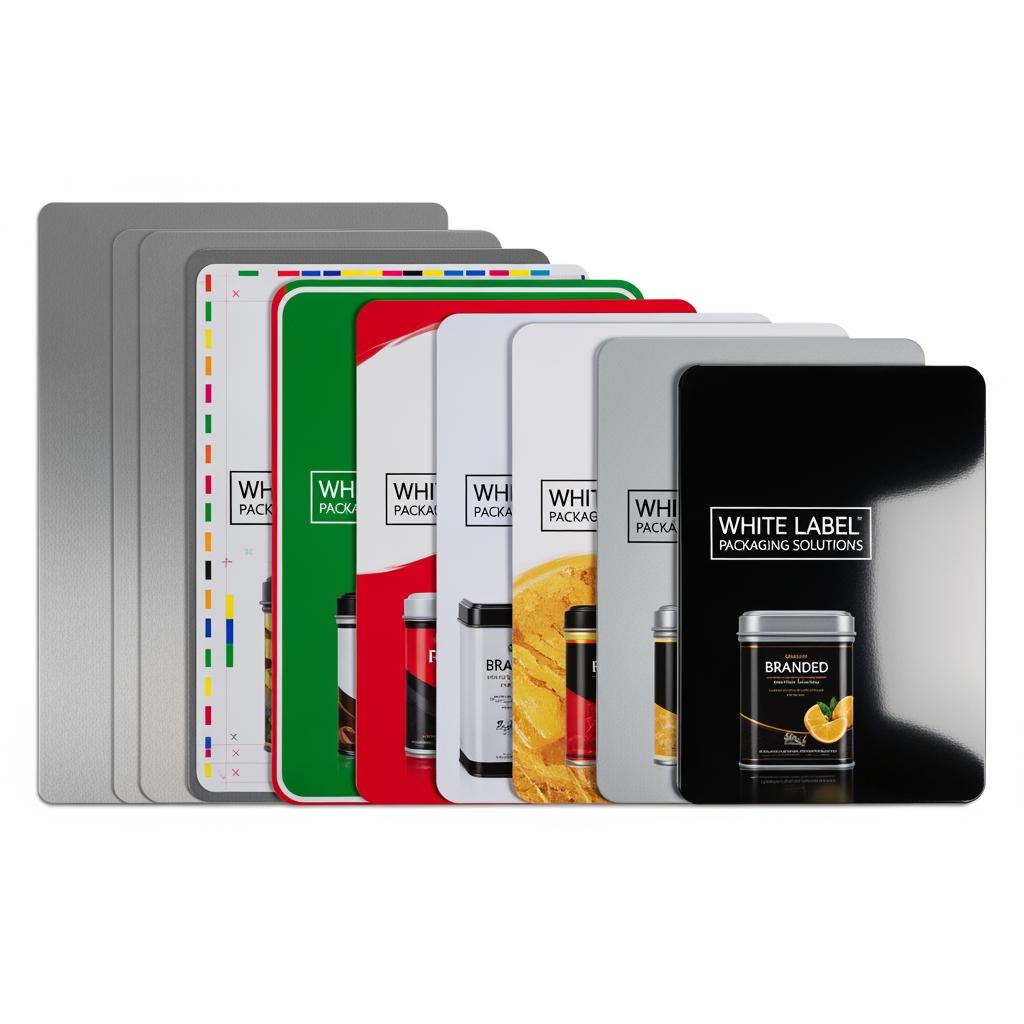
Brand equity lives in the lid and sidewall graphics. High-fidelity lithography on tinplate requires tight control of ink systems, over‑varnish selection, and curing. For food and cosmetics, inks and coatings must be food‑contact suitable (or properly separated by an internal lacquer), with gloss or matte over‑varnishes chosen to balance scuff resistance and brand finish.
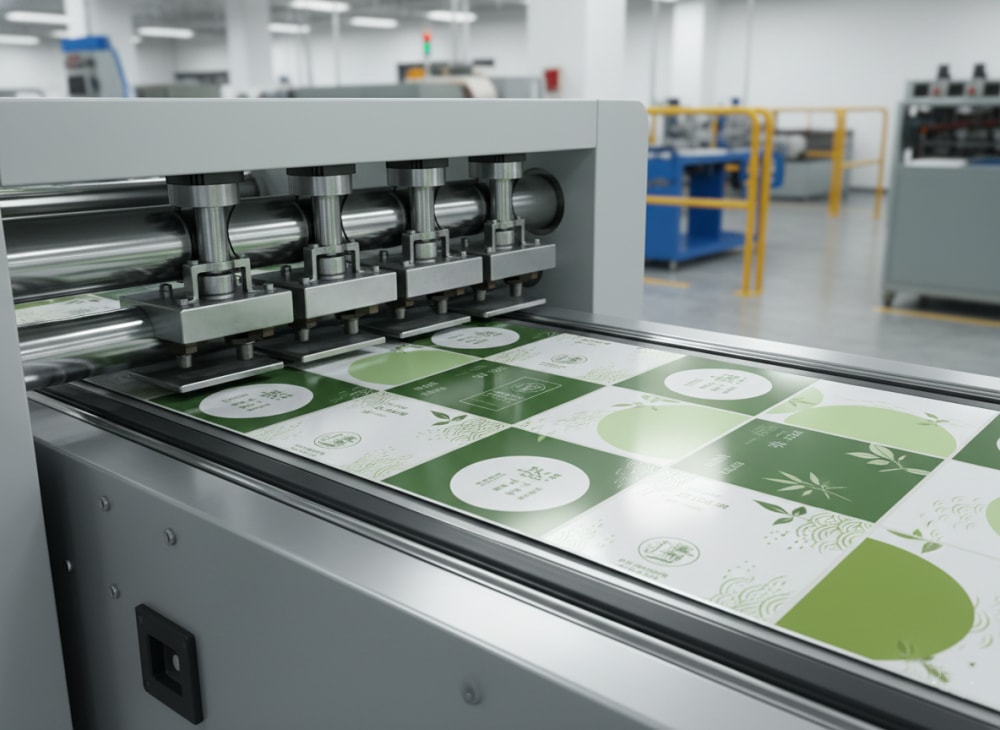
Prepress is where quality is baked in: your partner should provide calibrated proofs (digital and wet proof on tinplate), define color bars and control targets, and confirm distortion compensation if the part is drawn. During print, on-press spectrophotometry and draw‑down references hold color. After print, forming trials check crack‑through at scores and radii; if cracking appears, adjust bake, switch to more flexible varnish, or soften the temper on critical panels.
• Global Standards and Certifications for Tinplate Packaging Materials
Tinplate programs often intersect with multiple frameworks: quality systems (e.g., ISO 9001), environmental management (e.g., ISO 14001), and food‑contact safety expectations. While exact requirements depend on your product and market, your supplier should maintain documented procedures for material traceability, foreign matter control, sanitation of lines handling food‑pack SKUs, and routine coating performance tests (adhesion, gloss, hardness, solvent rub, and sulfur‑stain resistance where relevant).
Quality checkpoints for White Label Packaging Solutions Using Tinplate Raw Materials
Lock these checkpoints early: define which performance tests are required for each SKU, establish acceptance criteria and sampling plans, and specify requalification triggers (new ink lot, lacquer change, or thickness change). Insist on a consolidated dossier with certificates of analysis per lot and retention samples stored for complaint resolution.
| Standard/Document | What it covers | Who typically requires it | Notes for white label tinplate |
|---|---|---|---|
| ISO 9001 | Quality management system | Brand owners, retailers | Ensures process discipline and traceable corrective actions. |
| ISO 14001 | Environmental management | Multinational brands | Supports sustainability claims and regulatory due diligence. |
| Food‑contact declarations | Coatings/inks conformity and migration | Food and cosmetics brands | Tie to your product type, storage, and region. |
| BPA‑NI options | Bisphenol‑A non‑intent coatings | Regions/brands with BPA policies | Validate with supplier DoC and test data. |
| Scope alignment | Program scope: White Label Packaging Solutions Using Tinplate Raw Materials | Procurement and QA | State exactly which SKUs, regions, and tests are in scope. |
This snapshot helps you align internal QA and procurement with supplier documentation, so sign‑off is faster and reorders are consistent.
• Private Label Tinplate Materials for Food and Cosmetic Packaging
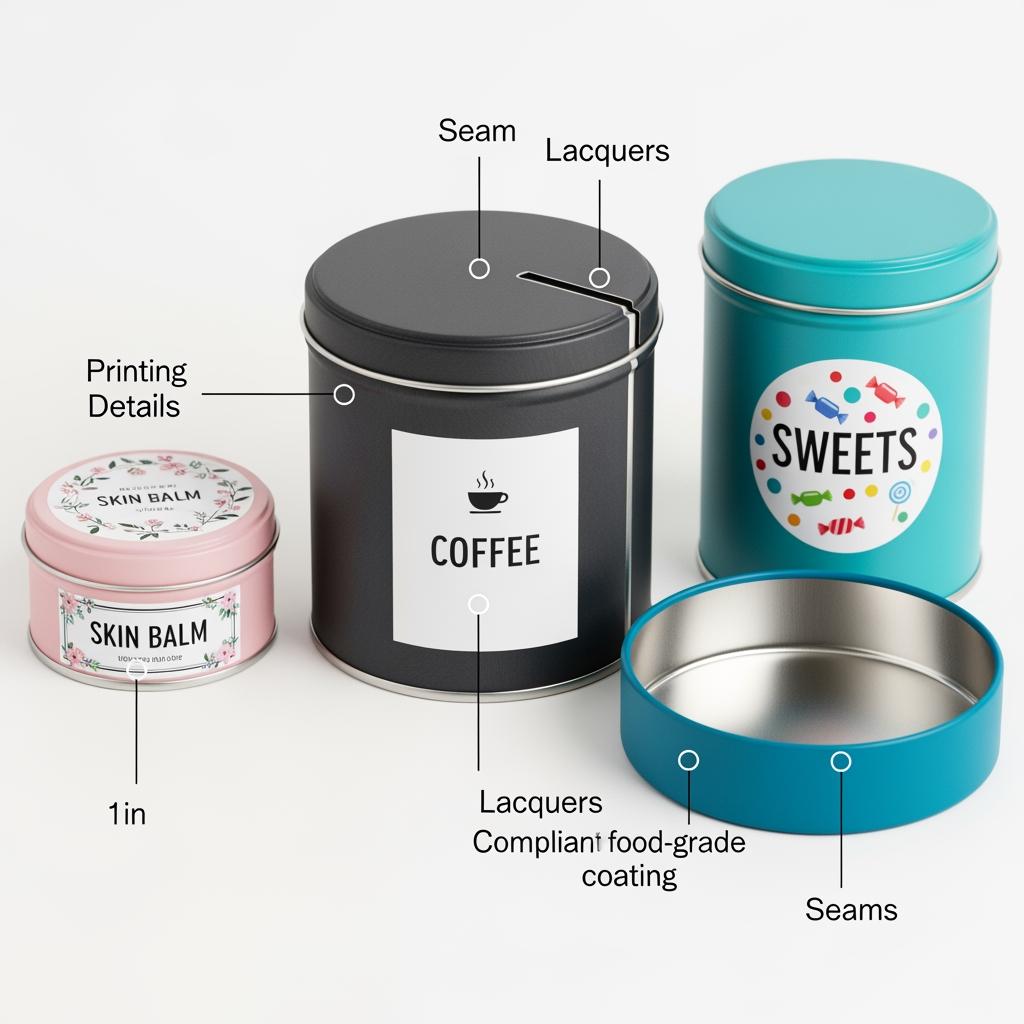
Food tins and cosmetic tins share a need for clean sensory performance, durable finishes, and compliant lacquers. For interiors, choose a lacquer compatible with your product—options include epoxy‑phenolic systems and BPA‑NI alternatives for acid or oil‑rich contents. For cosmetics, pay special attention to fragrance retention and compatibility; for foods, consider sulfur‑stain risk with protein or sulfur‑bearing recipes.
On the outside, specify gloss or matte, abrasion resistance for shipping, and anti‑fingerprint where premium matte finishes are required. Hardware choices tailor the user experience: for food, easy‑open ends and peelable membranes can add convenience; for cosmetics, slipcover lids or threaded lids with liners can elevate premium feel and protect volatile notes.

• Case Studies of Tinplate-Based White Label Packaging Projects
A North American gourmet coffee brand moved from generic composite canisters to printed tinplate tins with a satin‑matte varnish and easy‑open ends. The switch shortened packing time, improved aroma retention thanks to better seams and lining compound, and created a premium unboxing moment that matched the brand’s price point.
A European indie cosmetics label launched a balm series in travel‑size tins. After migration and odor panels, they approved a BPA‑NI interior lacquer and a soft‑touch exterior to avoid scuffs in handbags. A limited‑edition holiday run used the same tooling with alternate artwork, keeping lead times tight.
An APAC confectionery exporter standardized lid and body tooling across three SKUs, using color blocking to differentiate flavors. They implemented a color control workflow (digital proof → wet proof on tinplate → first‑article → mass production) that stabilized reorders and reduced artwork cycle friction.
• Custom Tinplate Packaging Options for Wholesale Procurement
When you scale, minor choices affect cost, speed, and durability. Define gauge and temper by size and stacking strength; pick tin coating weight or explore TFS/chrome‑coated steel where print and corrosion needs allow; set coil width to minimize scrap; and lock inside lacquers and exterior finishes early to simplify reorders. If you plan a family of SKUs, standardize heights and diameters to share tooling and lids.
If you need a quick view of what’s possible, browse Tinsun’s tinplate and TFS product portfolio to align substrate options with your brand’s print and sealing requirements.
| Option | Typical choices | Effect on cost/lead time | Tips for wholesale procurement |
|---|---|---|---|
| Substrate | Tinplate, TFS, chrome‑coated steel | Material availability drives lead time; TFS can be cost‑effective | Align substrate to product chemistry and brand finish goals. |
| Gauge & temper | Thin to heavy; soft to hard | Heavier gauges add cost but boost dent resistance | Balance handling strength with shipping weight targets. |
| Coatings | Interior lacquer, exterior varnish (gloss/matte) | Special lacquers may extend lead time | Confirm food/cosmetic compatibility early. |
| Ends & seams | EOE, peelable, slipcover, threaded; welded or lock‑seamed | Specialty ends or tooling add setup time | Standardize across SKUs to share parts. |
| Program scope | White Label Packaging Solutions Using Tinplate Raw Materials | Clear scope shortens approvals | Lock SKUs, regions, and compliance tests in your PO. |
This table helps purchasing and packaging engineering land on a balanced spec before requesting quotes, which shortens the sampling loop and avoids late design changes.
• How to Choose Tinplate Grades for Branded Packaging Solutions
Tinplate grade selection blends product protection, visual finish, and manufacturability. Thickness and temper influence dent resistance and drawability; coating weight and surface finish affect corrosion resistance and print quality. Start by mapping your product’s needs (oils, acids, salt, fragrance) to lacquer options, then size your gauge and temper to survive shipping and shelf handling.
- If the part draws deep or has tight radii, prefer a more formable temper and confirm with forming trials before mass print.
- For small tins or secondary packaging, thinner gauges often suffice, but verify stacking strength with a loaded drop test.
- Where corrosion or staining is a risk, consider higher tin coating weight or a suitable interior lacquer rather than over‑thick metal.
- If your brand demands ultra‑matte, validate scuff resistance with ship tests; you may shift to a tougher varnish at the same visual level.
| Application | Gauge (typical band) | Temper (relative) | Tin/TFS choice | Notes for brand packaging |
|---|---|---|---|---|
| Small balm/spice tins | Thin band | Softer to medium | Tinplate or TFS | Prioritize formability and odor neutrality. |
| Medium food tins | Mid band | Medium | Tinplate | Balance dent resistance with cost; validate easy‑open ends. |
| Premium gift tins | Mid band | Medium | Tinplate | Emphasize print quality and scratch resistance. |
| Large canisters | Mid to heavier | Medium to harder | Tinplate | Consider stacking load and pallet compression. |
Treat this as a starting point; your OEM will translate these bands into precise mill specifications once artwork and dimensions are finalized.
• Compliance of Tinplate Raw Materials with FDA and REACH Standards
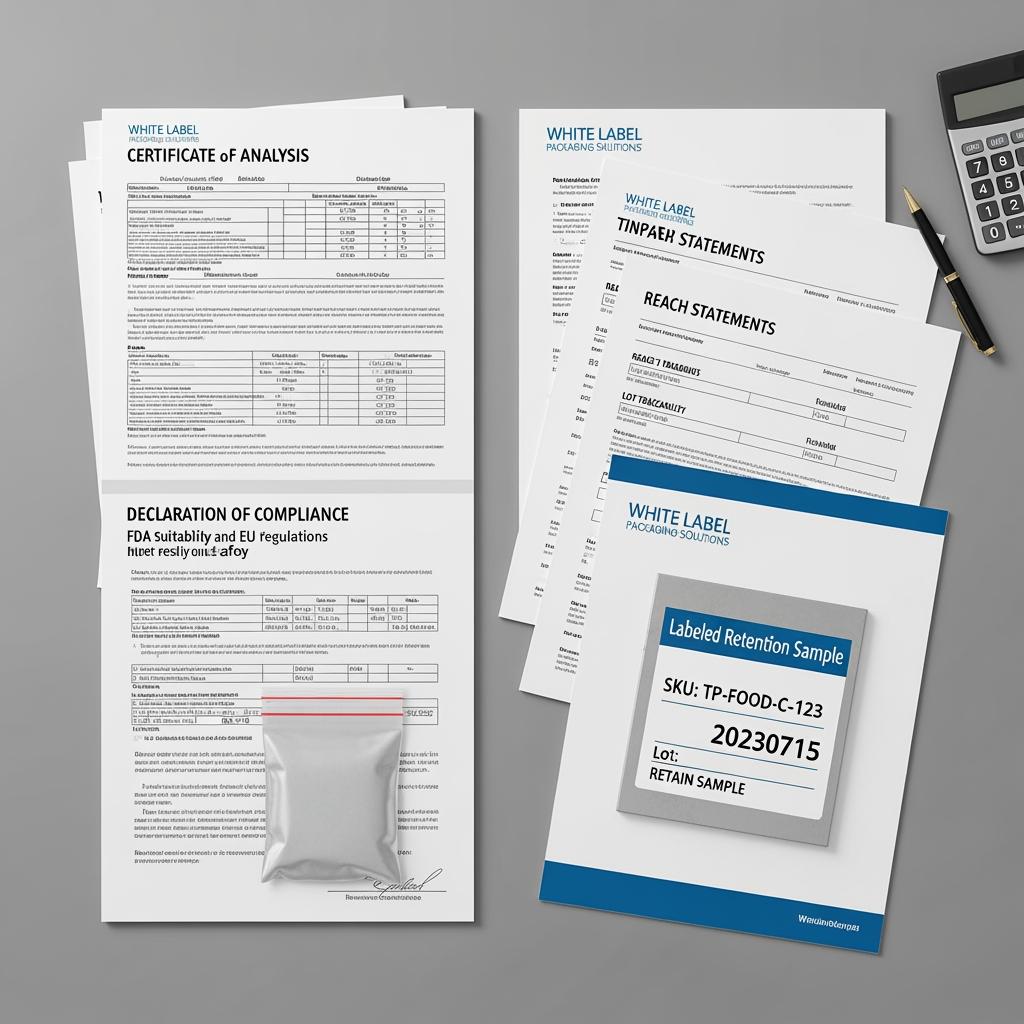
For the United States, ensure your supplier provides documentation that interior coatings and inks used in your tinplate packaging are suitable for their intended food or cosmetic contact and align with applicable FDA expectations. Ask for a declaration of compliance, coating/ink technical data sheets, and relevant migration or extraction testing summaries. For the European Union, request REACH statements addressing substances of very high concern and confirmation that materials are suitable for your product’s intended use, accompanied by test data where needed.
Build a simple compliance bundle per SKU: material certificates, coating/ink DoCs, migration or sensory test reports, and a change‑control clause that triggers re‑approval if any formulation shifts. Store golden samples and retain test records so retailer or regulator inquiries can be answered quickly.
FAQ: White Label Packaging Solutions Using Tinplate Raw Materials
What exactly are White Label Packaging Solutions Using Tinplate Raw Materials?
They are turnkey programs where a qualified OEM manufactures tinplate packaging to your brand’s artwork and specs, delivering retail‑ready components or finished packs under your label.
How fast can White Label Packaging Solutions Using Tinplate Raw Materials launch?
Speed depends on tooling and print complexity. Stock tooling with new artwork can move quickly; custom shapes or special lacquers add sampling and approval time.
Are TFS and tinplate both suitable for White Label Packaging Solutions Using Tinplate Raw Materials?
Yes, both can work. Tinplate is often preferred for food due to legacy fit and corrosion behavior; TFS/chrome‑coated options may suit certain cosmetics or non‑food SKUs.
How do I keep colors consistent across reorders in White Label Packaging Solutions Using Tinplate Raw Materials?
Lock color targets with calibrated proofs and keep golden samples. Require on‑press measurement, record curves, and re‑approve if ink or varnish systems change.
What MOQs are typical for White Label Packaging Solutions Using Tinplate Raw Materials?
MOQs vary by size, print layout, and tooling. Multi‑SKU gang runs can lower entry volumes, while special ends or custom shapes tend to raise them.
How are costs controlled in White Label Packaging Solutions Using Tinplate Raw Materials?
Stabilize specs, standardize lids and heights across SKUs, and plan reorder windows. This reduces setup waste, protects color, and keeps material sourcing predictable.
Last updated: 2025-11-21
Changelog: Added grade selection framework; expanded FDA/REACH documentation tips; inserted procurement options table; added internal links to profile, products, and contact pages.
Next review date & triggers: 2026-05-21 or upon lacquer system change, new regional expansion, or updates to retailer compliance policies.
Ready to spec your White Label Packaging Solutions Using Tinplate Raw Materials? Share drawings, artwork, volumes, and target markets to receive a fast quote and samples—contact the Tinsun Packaging team for a custom plan built around your launch timeline.

About the Author: Langfang Tinsun Packaging Materials Co., Ltd.
Langfang Tinsun Packaging Materials Co., Ltd. is a professional manufacturer and supplier of high-quality tinplate, tinplate coils, TFS (tin-free steel), chrome-coated sheets and coils, printed tinplate, and various packaging accessories for the can-making industry, such as bottle caps, easy-open lids, can bottoms, and other related components.

Product Category
Related Post
-
Electrolytic Tinplate Sheet Supply with Private Branding Options
If you manage metal packaging, the fastest way to elevate shelf impact without rebuilding your bill of materials is to align electrolytic tinplate sheet supply with private branding options. In practice, that means specifying substrate, finishes, and print-ready decoration so your procurement, QA, and marketing teams work from the same page. If you already have…
-
Coil-to-Coil ETP Processing for Food and Aerosol Packaging Needs
Electrolytic tinplate (ETP) remains the backbone of food and aerosol canmaking because it balances formability, corrosion resistance, and printability at scale. Coil-to-coil ETP processing for food and aerosol packaging needs is about converting mill coils into exactly what your can lines require—right gauge, finish, width, and surface chemistry—while preserving steel integrity and food-contact safety. If…
-
Custom ETP Materials for Aerosol Cap and Base Component Production
Choosing the right ETP (electrolytic tinplate) specification for aerosol caps and bases is the single biggest lever you have on safety, compliance, and total landed cost. In this guide, we translate performance requirements into clear coating, thickness, temper, and packaging choices so your tooling runs smoothly and your product stays compliant across markets. If you…
-

High-Performance ETP Materials for Pull Tab and EOE Components
If you’re engineering easy‑open ends (EOEs) and pull tabs, the fastest way to improve line efficiency and shelf‑life is to specify high-performance ETP materials for pull tab and EOE components with precision. The right steel temper, gauge, tin coating, and surface finish directly determine score consistency, tab bendability, rivet integrity, and long-term corrosion resistance after…