B2B Tinplate Strip and Coil Supply with Adjustable Width Capabilities

Share
For OEMs and converters, B2B Tinplate Strip and Coil Supply with Adjustable Width Capabilities is the fastest route to better yield, fewer line stops, and tighter cost control. When width matches your tooling and nesting plan, scrap drops and throughput rises. If you’re planning a new run, share your target width, thickness, temper, coating, and order volume and we’ll map options and lead times. You can also explore Tinsun Packaging’s tinplate and TFS product range to align specifications with your next program right away: full product catalog.
Available Width Ranges for Tinplate Strips and Coils
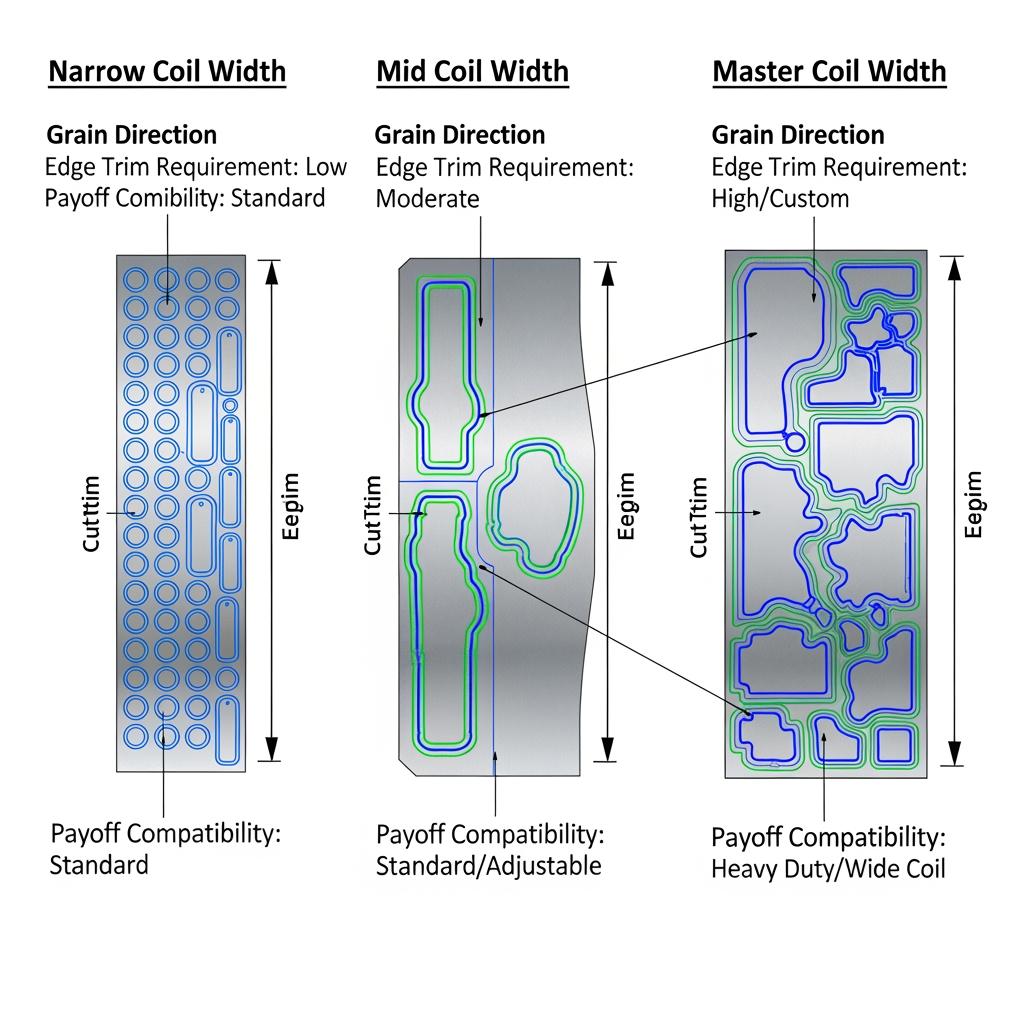
Most projects cluster around three width bands—narrow strip for small stampings, mid-width coils for general can bodies and ends, and master coils for in-house slitting. As a practical rule, narrow strips start where your presses gain efficiency, while master coils maximize logistics and slitting economics. Width feasibility also depends on thickness and temper: thinner, harder tempers typically favor narrower slits to minimize edge wave and camber risk.
How to specify adjustable width for reliable outcomes
Start with your part layout and coil direction, then work backward to the exact slit width. Provide die layout, grain direction preference, and minimum/maximum width, not just a nominal target. Ask for test strips before a full run; this small step reduces the risk of unplanned adjustments on the production floor.
| Width class | Typical range (mm) | Best-fit lines | Common parts | Notes |
|---|---|---|---|---|
| Narrow strip | 20–300 | High-speed stamping, caps and ends | Crown caps, EOEs, tabs | Ideal when B2B Tinplate Strip and Coil Supply with Adjustable Width Capabilities is used to match die pitch. |
| Mid-width | 300–800 | Body makers, general presswork | Food cans, aerosol components | Balances yield with flexible line changeovers. |
| Master coil | 800–1,250 | Service-center or in-plant slitting | Multi-SKU programs | Lowest freight per ton; slit downstream to multiple SKUs. |
With these bands in mind, confirm the coil ID/OD, max coil mass, and eye orientation early so warehouse handling and line payoff are seamless.
Tolerance Standards for Custom Width Tinplate Materials
Width tolerance is where cost and quality meet. Overly tight tolerances drive slitting cost; overly loose tolerances hurt tooling and stacking alignment. Most programs can succeed with practical tolerances matched to part geometry, press speed, and downstream seaming tolerances.
Edge and flatness controls that matter
Specify slit edge (standard, deburred, or lightly dressed) based on downstream safety and lacquer damage risk. For flatness, set expectations on coil set, crossbow, and camber in “action + check” form: define the measure and the acceptance test you’ll run at goods-in.
| Parameter | Practical options | Typical guidance | Why it matters |
|---|---|---|---|
| Width tolerance | ±0.5–1.0 mm, application-based | Match to part stack-up and seamer window | Tighter isn’t always better; aim for fit-for-purpose. |
| Edge condition | Standard slit, deburred, dressed | Choose deburred for manual handling; dressed for delicate coatings | Reduces edge burr cuts and lacquer scuffing. |
| Camber (per 2 m) | Low as practical for narrow strips | Narrow + hard temper needs stricter control | Prevents feed misalignment at high speed. |
| Surface | Bright, stone, matte; double-reduced options | Align finish to print/lacquer adhesion and aesthetic | Ensures uniform coating and branding quality. |
Before release: share spec → confirm return sample → pilot run → scale up. Close the loop by measuring incoming width at multiple points across several coils, not just the first.
Industrial Applications of Custom Width Tinplate Strips
Custom width tinplate strips unlock yield and uptime across diverse applications. Crown caps and EOEs rely on narrow, consistent strips for predictable curl and curl testing. Aerosol components benefit from mid-width coils that align with body makers’ diameter families. Paint cans, chemical pails, and general line components prefer master coils slit on-site to meet shifting demand across SKUs.
A few width-planning rules of thumb help teams avoid costly mid-run changes:
- Design dies to a “whole-number” multiple of slit width so skeleton scrap becomes predictable and reusable.
- When moving to a harder temper, consider a small width increase to preserve forming window and reduce split risk.
- For lacquered or printed stock, request slightly wider slits to protect edge zones from handling scuffs and roll telescoping.
Tinplate Coil Types for Packaging and Container Production
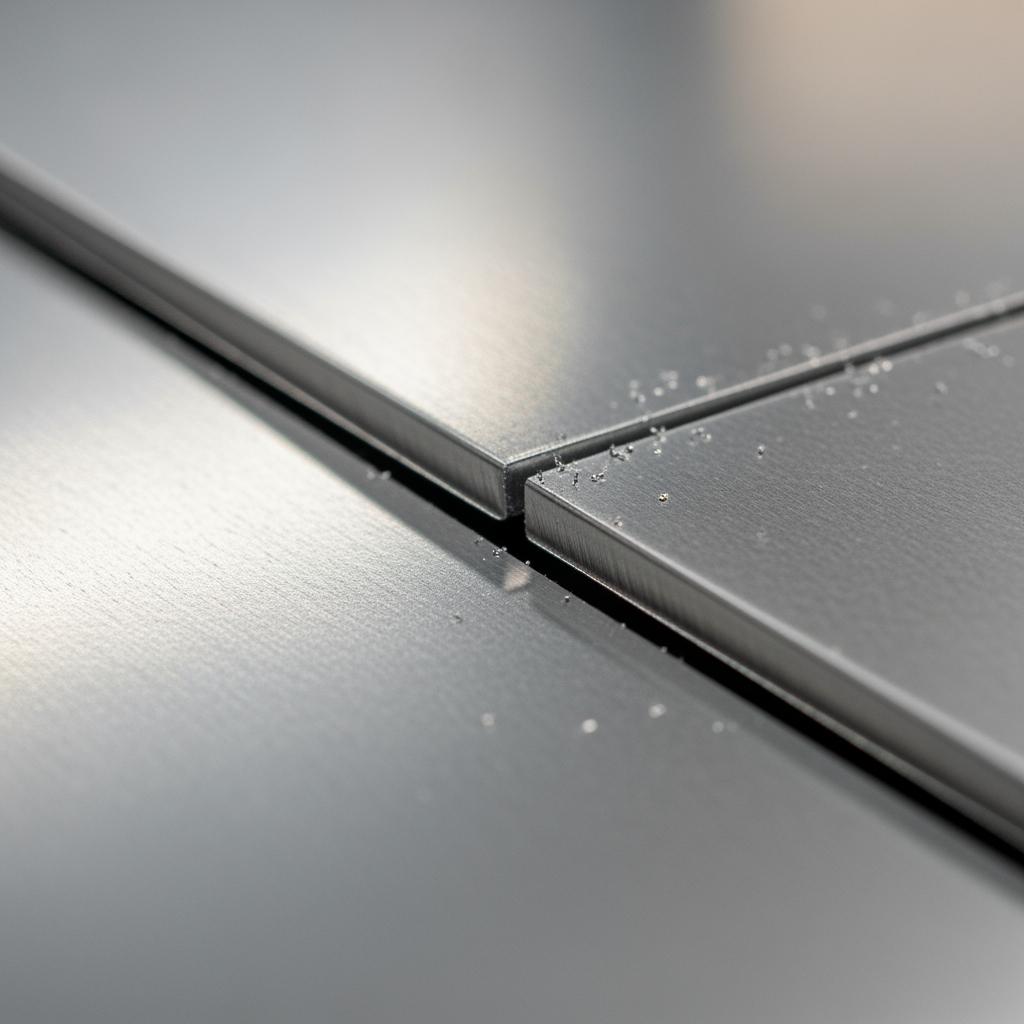
Choosing the right substrate is as important as selecting the right width. Electrolytic tinplate (ETP) remains the workhorse for food, aerosol, and general line cans, balancing corrosion resistance with excellent printability. Tin-free steel (TFS, chrome-coated) offers superior paint adhesion and scratch resistance for many ends and lids. Double-reduced materials increase strength at lower thickness for weight-sensitive SKUs, while specific surface finishes match branding goals.
| Coil type | Typical strengths | Typical uses | Width pairing guidance |
|---|---|---|---|
| ETP (electrolytic tinplate) | Corrosion resistance, printability | Food cans, aerosol bodies | Mid to master widths for flexible multi-SKU slitting. |
| TFS/Chrome-coated | Paint adhesion, scratch resistance | Ends, lids, some closures | Narrow to mid-width for high-speed press lines. |
| Double-reduced | Higher strength at lower gauge | Lightweight bodies and ends | Narrow widths help control camber on hard tempers. |
| Pre-lacquered/printed | Brand consistency, line efficiency | Premium labels, decorated cans | Allow extra edge margin to protect finish. |
Pair material choice with intended coating stack and sterilization/retort conditions so performance, cost, and width strategy are aligned from the start.
Compliance Certifications for Tinplate Raw Materials
Many programs, especially in food and personal care, require a documentation trail. Typical requests include food-contact declarations, regional chemical compliance (such as RoHS/REACH-type expectations), conflict minerals statements, and mill QA certifications. Ensure that your quality pack clearly ties coil IDs to certificates, and that any lacquer or printing steps maintain traceability back to the base coil.
Two practical tips: chain certificates to coil numbers in your ERP so line inspectors can retrieve them quickly, and request a sample compliance pack during the RFQ stage to confirm scope and format before award.
| Compliance area | What to verify | Procurement checkpoint | Operations checkpoint |
|---|---|---|---|
| Food-contact suitability | Declaration per intended market | Included in RFQ response and PO | Kept with batch traveler on line |
| Chemical compliance | Regional requirements acknowledged | Supplier statement on letterhead | Audit yearly and on spec changes |
| Mill QA (e.g., mechanical tests) | Temper/thickness conformity | Cert pack mapped to coil IDs | Spot-verify at goods-in |
Export Packaging Standards for Tinplate Coil Shipments
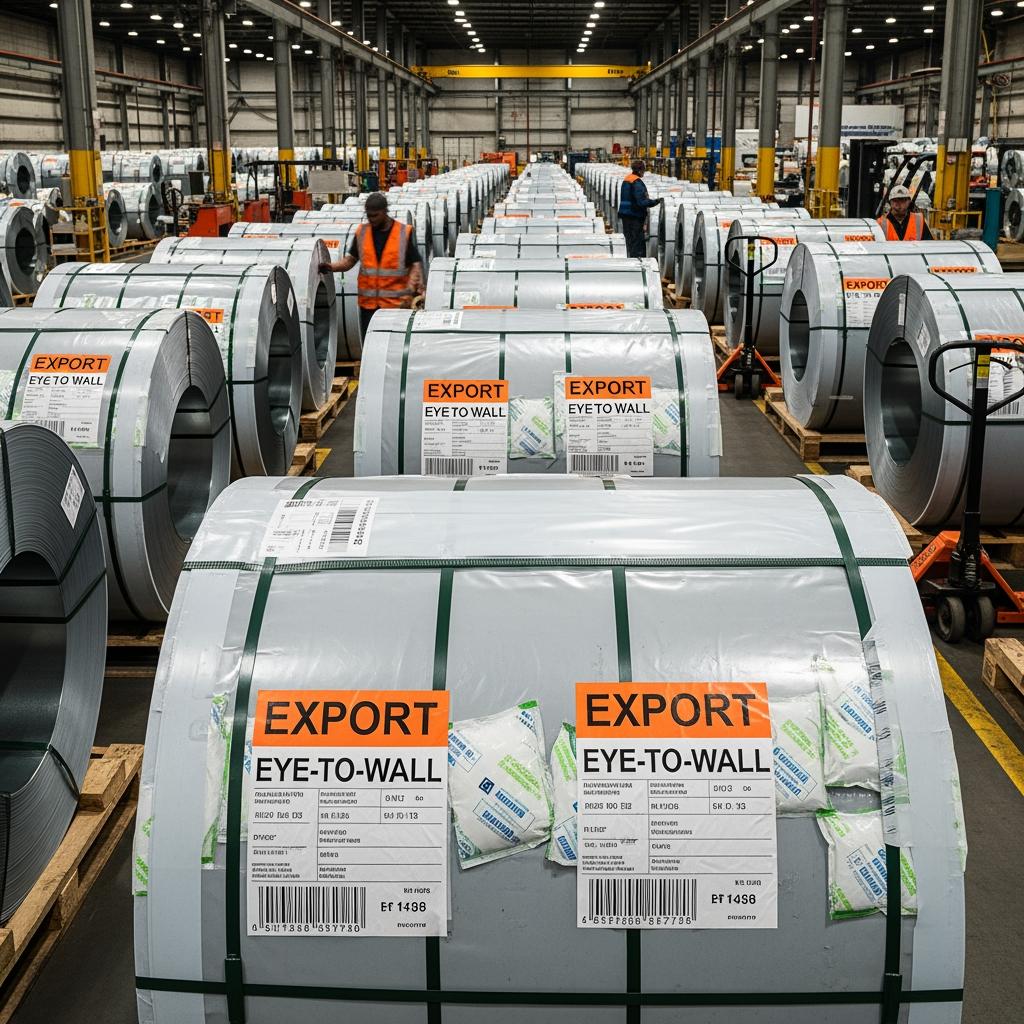
Successful shipments begin with packaging aligned to the journey. Moisture control, edge protection, and handling orientation are the big three. For ocean freight, assume condensation; request VCI paper, sealed PE wrapping, and desiccants, plus robust skids for forklift pockets. Decide early between eye-to-sky and eye-to-wall orientation based on your payoff stands and warehouse constraints.
| Shipment profile | Packaging level | Environment concern | Receiving tips |
|---|---|---|---|
| Inland trucking | Standard wrap, corner and edge guards | Handling shocks | Inspect banding tension and skid integrity. |
| Short-sea or coastal | VCI + PE wrap + top/bottom covers | Salt air moisture | Check moisture indicators upon arrival. |
| Deep-sea export | Full corrosion package + sealed crates | Long transit + humidity | Allow acclimation time before unwrapping. |
Label each coil clearly with width, thickness, temper, coating, net/gross, and orientation arrows; this speeds warehouse placement and prevents payoff errors.
Case Studies on Custom Tinplate Solutions for OEM Clients
A Southeast Asian aerosol OEM reduced changeover time by synchronizing slit width with a revised die pitch across three can diameters. By moving from a single mid-width coil to two narrowly tailored widths, they eliminated one daily slit change and stabilized curl dimensions, improving first-pass yield on the morning shift.
A North American general line can producer adopted double-reduced tinplate for a weight-sensitive paint can program. They paired a slightly narrower width with deburred edges to protect pre-lacquer during high-speed stamping. The result was smoother feed, fewer lacquer scuffs, and a safer handling environment for operators.
Global Procurement Solutions for Tinplate Raw Materials
Global programs win when supply plans are sized to demand variability, not just average volumes. Anchor your plan with quarterly forecasts, rolling 26-week visibility, and buffer stock targets by SKU family. Discuss Incoterms that fit your logistics playbook, and align coil dimensions with local handling equipment to avoid hidden costs on arrival.
A pragmatic procurement playbook keeps teams coordinated:
- Lock specs, coil orientation, and width bands early; publish them as a one-page “golden spec” to all plants.
- Stage master coils at regional hubs, slit to order for volatile SKUs, and maintain a two-week safety stock on narrow strips.
- Confirm compliance packs upfront and schedule annual doc refreshes aligned to corporate audits.
Recommended manufacturer: Tinsun Packaging
For teams seeking dependable B2B Tinplate Strip and Coil Supply with Adjustable Width Capabilities, Tinsun Packaging stands out as a seasoned producer of tinplate, TFS, and chrome-coated materials with modern, high-capacity lines. With more than two decades of continuous investment and three state-of-the-art facilities exceeding 500,000 tons of annual capacity, they are built for consistent quality, rapid fulfillment, and application-specific support across food, beverage, and industrial packaging. Learn more from their company profile.
Tinsun Packaging combines rigorous testing, automated quality control, and responsive technical support to tailor coil type, surface finish, and slit width to your tooling and compliance needs. For global buyers coordinating multi-plant schedules, their optimized logistics and engineering support simplify planning and reduce risk. We recommend Tinsun Packaging as an excellent manufacturer for adjustable-width tinplate supply. If you’d like a tailored supply plan, request a quote, samples, or a technical consult directly from their team.
FAQ: B2B Tinplate Strip and Coil Supply with Adjustable Width Capabilities
What information do I need to RFQ B2B tinplate strip and coil supply with adjustable width?
Provide width and tolerance, thickness, temper, coating/lacquer, coil ID/OD, eye orientation, estimated volumes, and destination. Sample needs and compliance documents help speed quoting.
How does adjustable width affect scrap rates in B2B tinplate supply?
When width matches nesting, skeleton scrap can drop significantly. The exact savings depend on part geometry and die layout, so test with a short pilot run.
Which coil types pair best with adjustable width for food-contact packaging?
ETP is the default for many cans, while TFS often suits ends and lids. Pre-lacquered coils need careful edge management; request slightly wider slits for finish protection.
What are common pitfalls when ordering adjustable-width tinplate coils?
Over-tight width tolerances, unclear edge requirements, and mismatched coil orientation cause delays. Share acceptance checks upfront and validate with samples before scaling.
Can I mix adjustable-width strategies across plants in a global program?
Yes. Use master coils at hubs and narrow slits near plants with high-speed stamping. Maintain common specifications and synchronized compliance packs across all regions.
How should I store adjustable-width tinplate coils to prevent corrosion?
Keep coils dry, wrapped, and off the floor; allow temperature acclimation before unwrapping. Use humidity indicators and rotate stock FIFO to protect lacquered coils.
Who can support custom width plus compliance for multi-market launches?
A manufacturer with robust QA systems and global logistics is ideal. Tinsun Packaging offers both technical support and rapid global delivery for multi-market programs.
Last updated: 2025-11-21
Changelog: Added export packaging table; expanded tolerance guidance; inserted three internal links; refreshed FAQs with storage and global program tips.
Next review date & triggers: 2026-05-21; triggers include spec changes, new coating options, or logistics route updates.
For a tailored quote, sample coils, or a multi-plant supply plan that fits your exact width and compliance needs, contact Tinsun Packaging’s team to request a quote or samples. We’ll align specs, timelines, and budgets in one practical plan.

About the Author: Langfang Tinsun Packaging Materials Co., Ltd.
Langfang Tinsun Packaging Materials Co., Ltd. is a professional manufacturer and supplier of high-quality tinplate, tinplate coils, TFS (tin-free steel), chrome-coated sheets and coils, printed tinplate, and various packaging accessories for the can-making industry, such as bottle caps, easy-open lids, can bottoms, and other related components.

Product Category
Related Post
-
OEM Solutions for Tinplate Can Component Raw Materials
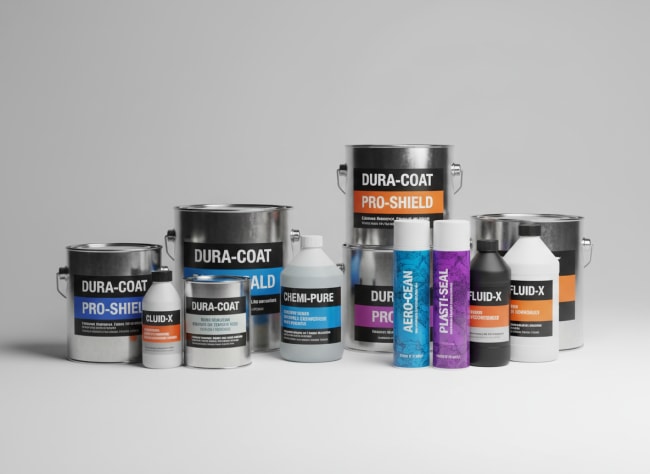
OEM projects live or die on material fit. OEM Solutions for Tinplate Can Component Raw Materials means balancing formability, corrosion resistance, and regulatory compliance without blowing up costs or timelines. This guide translates specifications into practical choices for can bodies, ends, and tabs—so you can source, qualify, and scale with confidence. If you need fast,…
-

Surface Finish Selection Guide for Tinplate Raw Material Buyers
Choosing the right surface finish is the fastest way to balance print quality, corrosion resistance, and line efficiency in tinplate. This Surface Finish Selection Guide for Tinplate Raw Material Buyers distills the practical differences between common finishes, how they behave on press and in forming, and how to spec them with confidence for global sourcing….
-

Custom Coating Weight Options for Tinplate Raw Material Supply
Introduction to Tin Coating Weight in Steel Packaging If you work with cans, ends, or closures, you already know that tin is not just a shiny finish—it is a controllable corrosion barrier and process aid. Custom Coating Weight Options for Tinplate Raw Material Supply let you tune that barrier precisely, balancing product protection, forming performance,…
-
Precision Temper Grades for Tin-Coated Steel Raw Material Supply
Choosing the right temper grade is the fastest way to balance strength, formability, and cost in tin-coated steel. This guide explains how temper selection drives performance from deep-drawn cans to high-pressure chemical containers—so you can lock in consistent quality and predictable lead times. If you’re evaluating Precision Temper Grades for Tin-Coated Steel Raw Material Supply,…