-

Global Supply Chain Solutions for SPTE Steel Coil Buyers
Buyers moving SPTE (electrolytic tinplate) across borders win on cost and speed when specs, packaging, and logistics are aligned from day one. This guide condenses Global Supply Chain Solutions for SPTE Steel Coil Buyers into practical choices you can execute immediately—from tin coating grades to export packing and MOQ strategy. If you’re ready to translate…
-
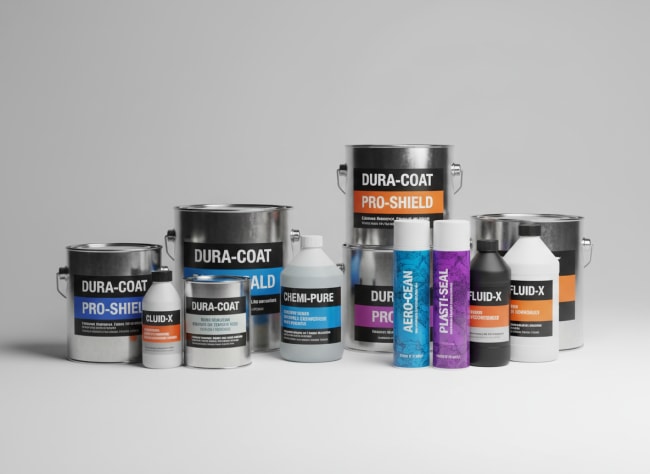
ETP Steel Sheet Applications in Global Packaging Industries
Electrolytic tinplate—commonly shortened to ETP steel sheet—is the backbone of safe, printable, corrosion‑resistant metal packaging worldwide. From tuna cans and beverage ends to aerosol bodies and paint lids, its unique steel‑plus‑tin architecture delivers formability, food safety, and shelf appeal at industrial scale. If you’re planning a new line or re‑specifying an existing one, you’ll find…
-

Cold Rolled Tinplate Materials for Industrial Packaging Applications
Cold rolled tinplate is the quiet workhorse behind safe, clean, and durable industrial packaging. From paint and chemical cans to closures, aerosol bodies, and pails, Cold Rolled Tinplate Materials for Industrial Packaging Applications deliver a unique mix of corrosion resistance, formability, and printability that few substrates can match. If you’re evaluating suppliers or locking specs…
-
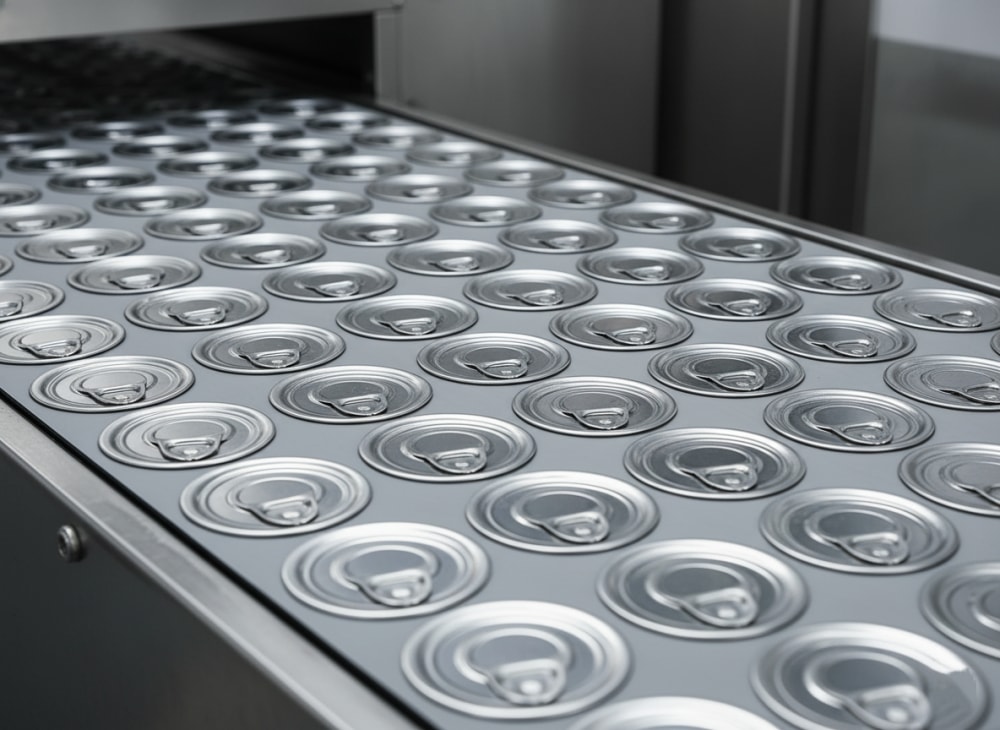
Prime Quality Electrolytic Tinplate: Global Sourcing and Applications
If you source or specify tin-coated steel, the takeaway is simple: prime quality electrolytic tinplate delivers repeatable performance, safer packaging, and lower total cost when paired with disciplined global sourcing. In the first 100 words, it’s worth underscoring that Prime Quality Electrolytic Tinplate: Global Sourcing and Applications comes down to aligning material specs with end-use,…
-

Raw Materials for Tinplate Packaging: A Global Sourcing Guide
Whether you run a canmaking line or source coils for converters, the fastest way to cut waste and lead time is to lock the right raw materials for tinplate packaging up front. This guide walks you through the steel base, metallic coatings, and auxiliary inputs you’ll actually buy, how to verify them internationally, and how…
-
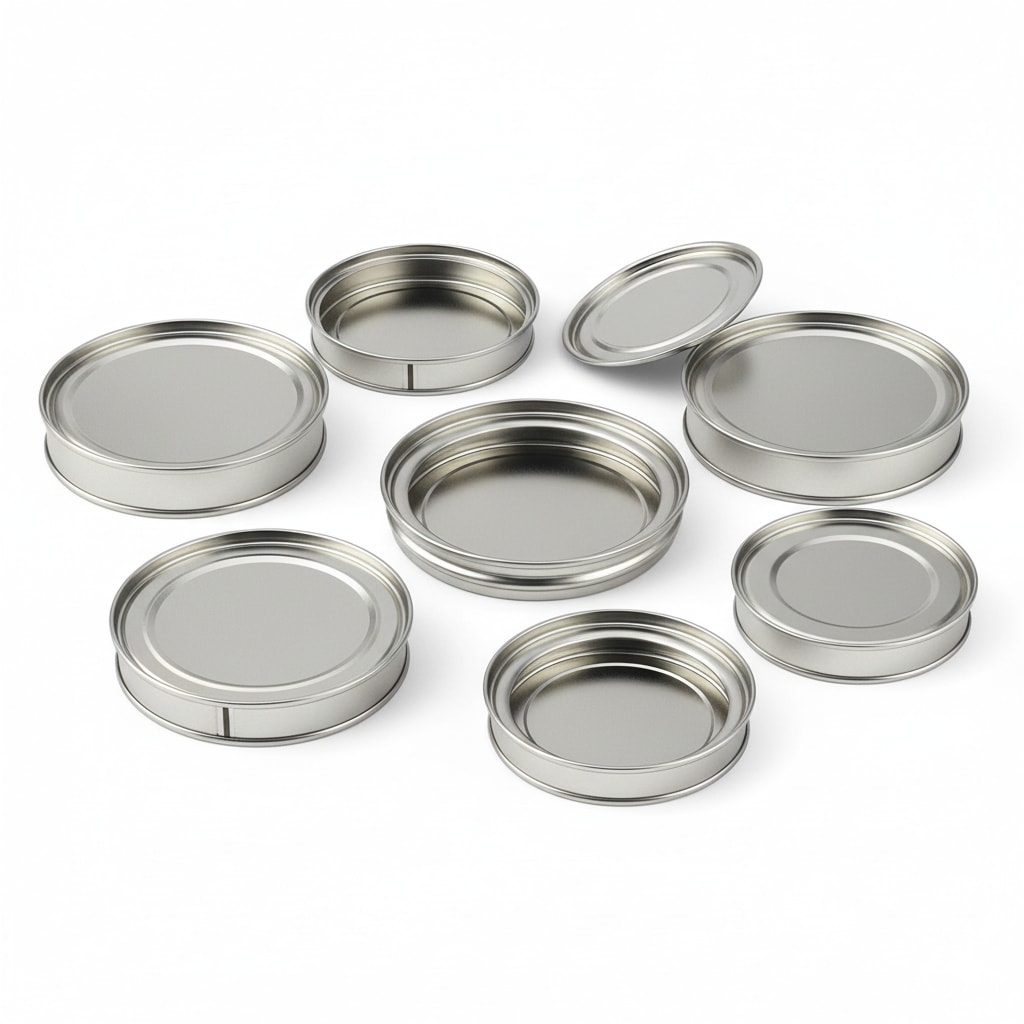
Protective Tinplate Layers for Corrosive Chemical Storage Solutions
Tinplate remains a workhorse for chemical cans because it combines steel strength with a finely controlled tin surface that can be passivated and lined to resist attack. The big idea is simple: for aggressive products, protective tinplate layers are engineered as a stack—base steel, tin coating, passivation, and sometimes an organic lacquer—so the stored chemical…
-
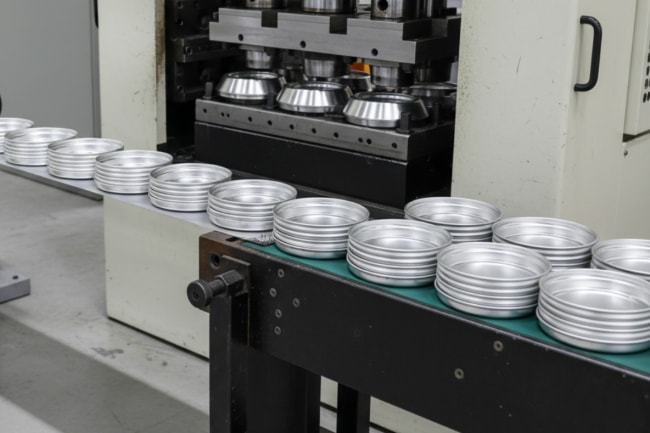
Tinplate Base Steel for Safe and Durable Food Can Packaging
Tinplate base steel remains the workhorse substrate for food cans because it pairs the strength of low-carbon steel with a protective tin layer that is inert to most recipes and compatible with modern food-contact coatings. When specified and handled correctly, tinplate delivers a long shelf life, high line efficiency, and reliable seaming—everything you need for…
-
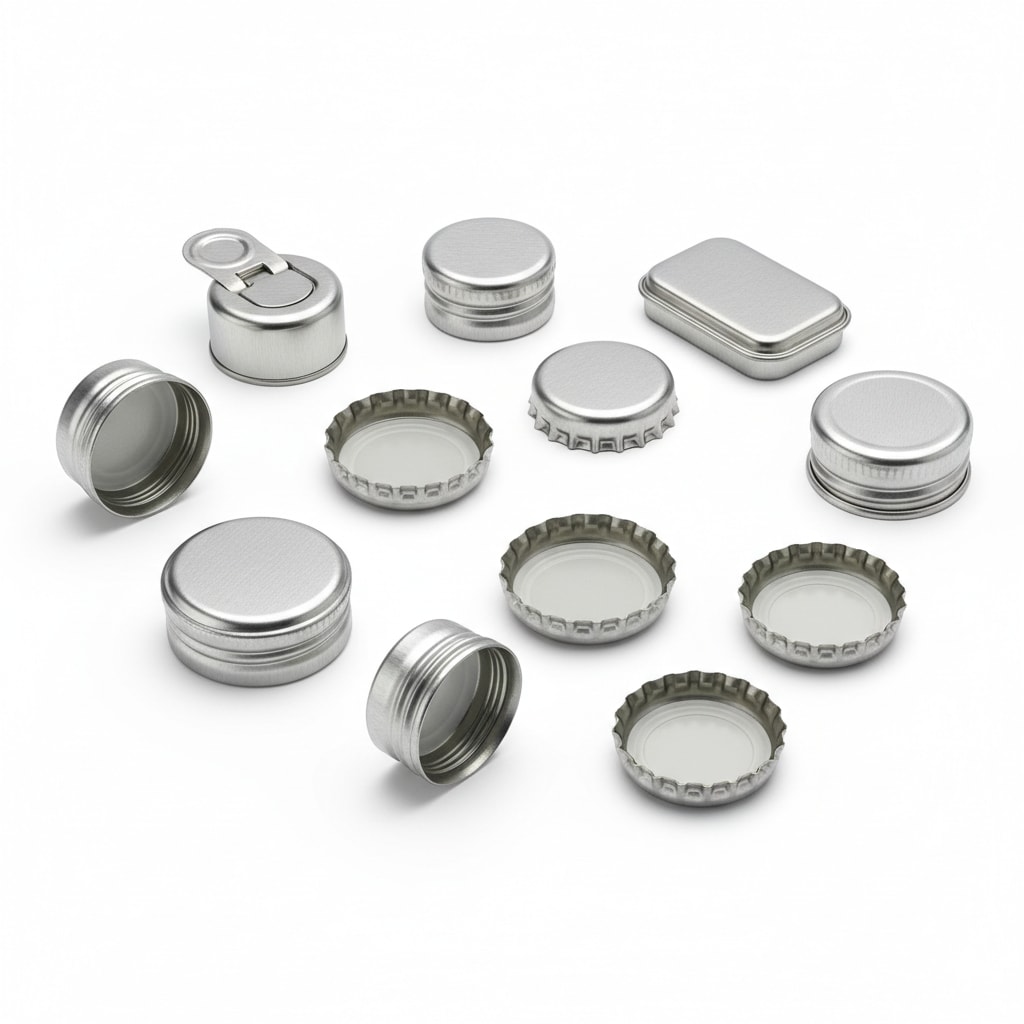
Packaging-Grade Tin-Coated Steel Sheets for B2B Export Buyers
If you purchase or specify metal for cans, closures, or general line containers, Packaging-Grade Tin-Coated Steel Sheets should be your default baseline for safety, shelf life, and printability. This guide clarifies where tinplate excels, how to specify it for OEM runs, and how to de-risk cross-border logistics. If you already have requirements, share your spec…
-
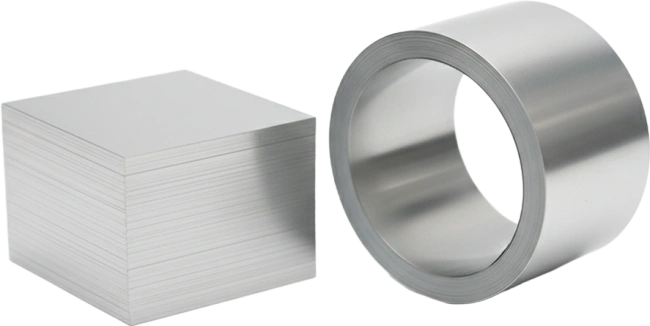
Customized Electrolytic Tinplate Coil Solutions for B2B Buyers
B2B buyers choose electrolytic tinplate (ETP) because it delivers clean corrosion resistance, excellent printability, and predictable formability at scale. If you are evaluating customized electrolytic tinplate coil solutions, the fastest path to a reliable program is to lock in the right base steel, coating weight, and surface treatment early—then align supply, quality, and compliance around…
-

Bright, Matte, and Stone Finish Tinplate for OEM Projects
Selecting the right surface finish is the single fastest way to dial in print clarity, scratch resistance, and shelf appeal for Bright, Matte, and Stone Finish Tinplate for OEM Projects. This guide explains how finishes interact with coating weights, print processes, and logistics so you can specify with confidence and land on-time, on-budget launches. If…
-
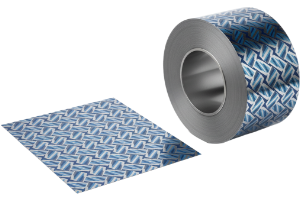
Tinplate Sheet Surface Finishes for Industrial Applications
Choosing the right surface finish is the fastest way to get predictable performance from tinplate and TFS across food, aerosol, closures, and industrial pack formats. This guide explains how Tinplate Sheet Surface Finishes for Industrial Applications influence print quality, formability, corrosion behavior, and line efficiency—so you can select with confidence and specify once. If you…
-

Raw Materials for Tin-Coated Steel Coil Production
Selecting and controlling raw materials for tin-coated steel coil production is the fastest way to secure consistent can-making performance, food safety, and predictable costs. From base steel chemistry to passivation and lubricants, each input shapes weldability, corrosion resistance, printability, and shelf life. If you’re scoping a new line or qualifying a second source, share your…