-

Tinplate Raw Materials for High-Precision Metal Printing Applications
Tinplate raw materials for high-precision metal printing applications are engineered to deliver crisp graphics, consistent color, and reliable forming performance from pressroom to can line. The takeaway: start with clean base steel, specify the right tin coating and temper, and work with a supplier who can hold tight tolerances on thickness, surface finish, and passivation….
-
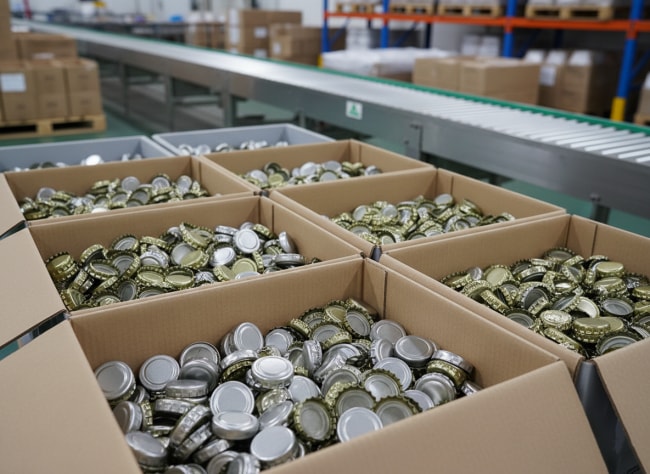
B2B Supply of Tinplate for Electrical Cable Shield Manufacturing
If you design, specify, or purchase cable shielding materials, the fastest path to predictable performance is pairing the right electrolytic tinplate (ETP) with a dependable B2B supply program. This guide distills what matters—from spec ranges and EMI/RFI behavior to packaging and global logistics—so you can de‑risk projects and scale. To accelerate your sourcing, share your…
-
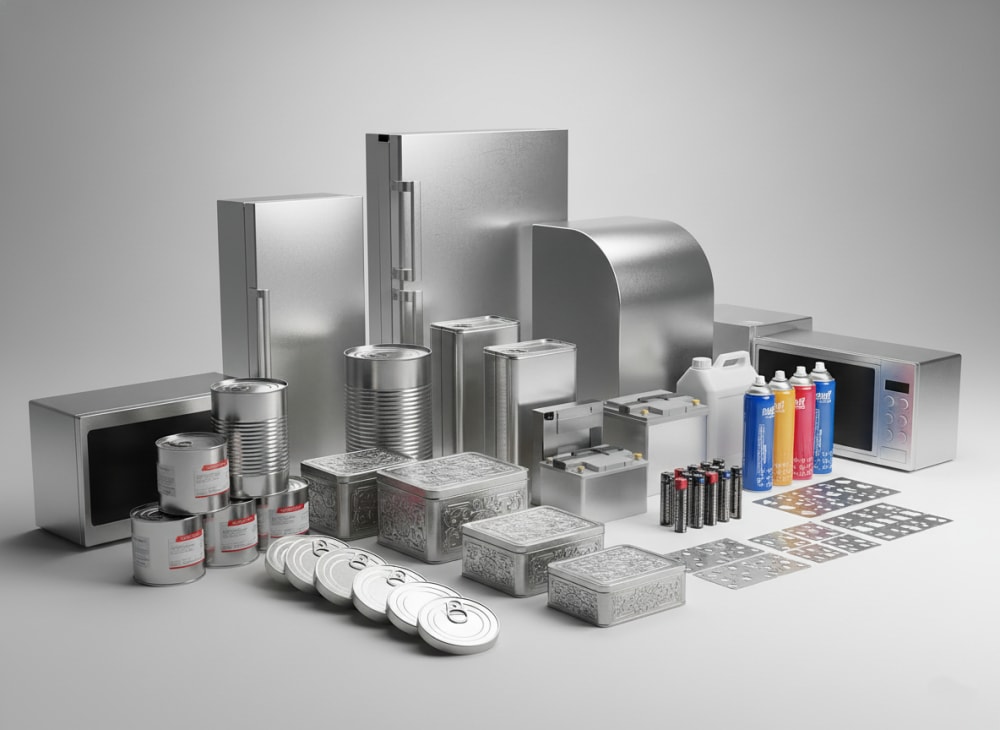
Battery-Compatible Tinplate Materials for Industrial Applications
Battery shell performance starts with the metal. Battery-Compatible Tinplate Materials for Industrial Applications must balance formability, weldability, and corrosion control—without compromising safety or cost. Below you’ll find the key specifications, test practices, forming guidance, wholesale options, and customization pathways to help you choose the right tin-coated steel and scale reliably. If you already have a…
-
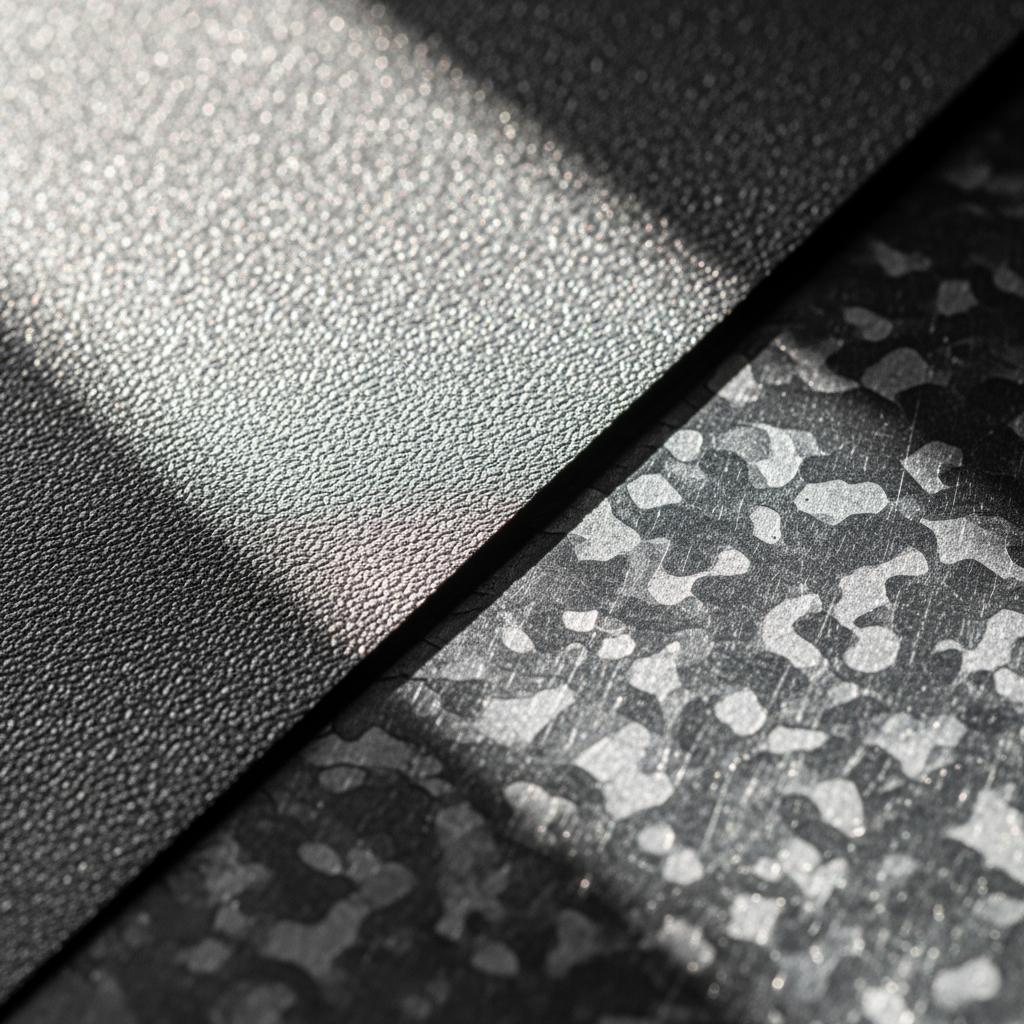
High-Performance Tinplate for Alkaline Battery Sleeve Protection
High-Performance Tinplate for Alkaline Battery Sleeve Protection is a niche specification of electrolytic tin-coated steel engineered to resist alkaline chemistry, forming stresses, and long shelf-life demands. The fastest way to de-risk your next battery sleeve program is to align coating mass, base steel temper, and passivation with your electrolyte and form factor from day one….
-

Electrolytic Tinplate Grades for Industrial Paint Pail Production
Selecting the right electrolytic tinplate grades for industrial paint pail production is the fastest way to boost corrosion resistance, seam integrity, and shelf appeal while controlling total cost. In this guide, you’ll learn how coating weight, temper, passivation, and surface finish translate into performance in real paint environments—so you can spec once and scale with…
-
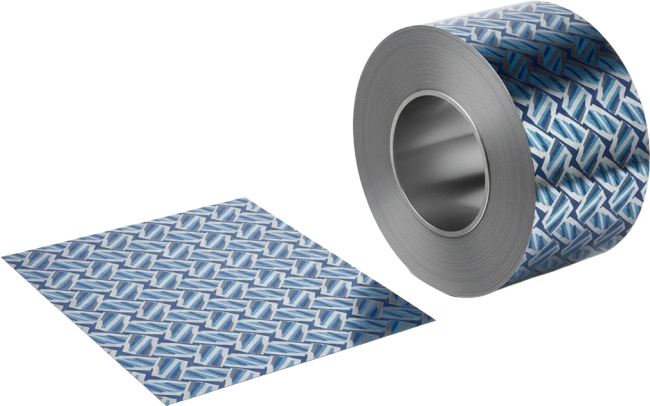
Surface Finishing Options for Decorative Coffee Tin Designs
If you’re developing premium coffee packaging, the right surface finishing makes your brand feel intentional before the lid even opens. This guide breaks down practical Surface Finishing Options for Decorative Coffee Tin Designs, showing how base steel, coatings, and print effects work together to elevate shelf impact without sacrificing freshness. Share your target look, budget,…
-

Customizable Tinplate Sheets for Decorative Spice Tin Designs
If you’re exploring Customizable Tinplate Sheets for Decorative Spice Tin Designs, the big takeaway is this: start with food-safe electrolytic tinplate matched to your spice blend, specify print and lacquer stacks early, and lock in supply with a manufacturer that can slit, print, and deliver at the sheet level—on your schedule. Share your spice-tin dimensions,…
-
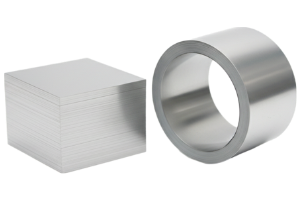
Recyclable ETP Steel for Global Cookie Tin Packaging Markets
Recyclable ETP steel for global cookie tin packaging markets is winning because it combines food-safe protection, crisp printability, and a circular-material story that retail buyers increasingly require. If you’re spec’ing cookie tins for seasonal peaks or year-round lines, the right tinplate grade, finish, and lacquer stack-up will make your tins look premium, run efficiently on…
-
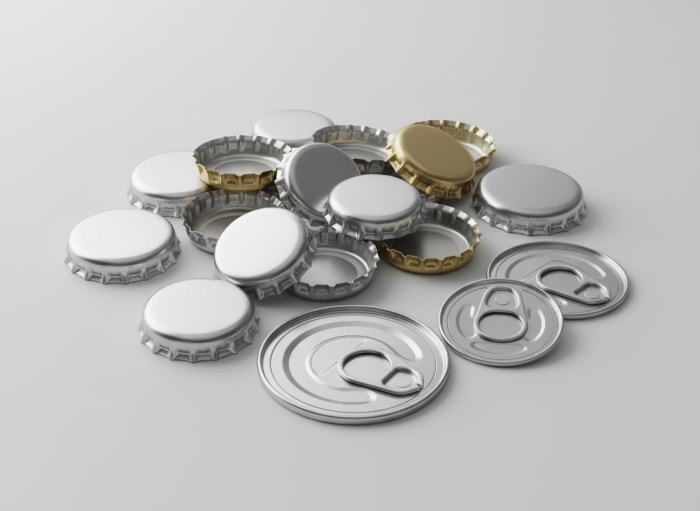
Global Supply of Tinplate Materials for Premium Gift Tin Manufacturing
If you make or source decorative tins, the quality, printability, and compliance of your tinplate determine whether a design delights on shelf or disappoints in transit. This guide explains the global supply of tinplate materials for premium gift tin manufacturing, so you can select the right grade, finish, and coating—and receive it on time. If…
-
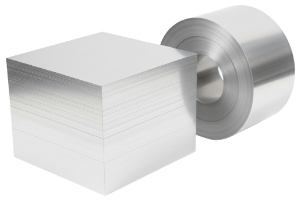
Electrolytic Tinplate Sheets for Airtight Tea Canister Manufacturing
The fastest way to get shelf-worthy, aroma-tight tea packaging is to lock in the right spec for electrolytic tinplate sheets and align it with your forming, printing, and sealing processes. This guide shows exactly how to select, test, and scale Electrolytic Tinplate Sheets for Airtight Tea Canister Manufacturing—so your tins look premium, run smoothly on…
-
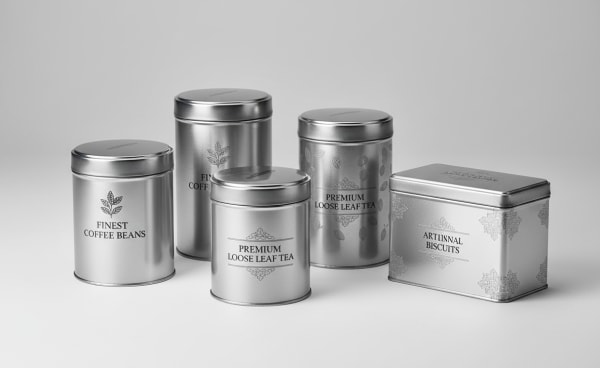
High-Quality Tinplate Materials for Premium Biscuit Tin Packaging
If you want biscuit tins that look premium, protect flavor, and ship without surprises, start with the right tinplate. In this guide, we unpack how to specify High-Quality Tinplate Materials for Premium Biscuit Tin Packaging—from grade selection and food-contact rules to printability, corrosion protection, and procurement. If you already have a spec or drawing, share…
-

Corrosion-Resistant Tinplate for Airtight Metal Lid Sealing
Getting airtight sealing right starts with the metal itself. Corrosion-Resistant Tinplate for Airtight Metal Lid Sealing balances base-steel temper, tin coating weight, passivation, and lacquer systems so closures survive retort, shipping, and shelf life without paneling, rust stain, or taste impact. If you’re validating a spec on a tight timeline, Tinsun Packaging offers matched tinplate…