-

Surface Finish Options for Tin-Coated Steel in Can Bodies
Choosing the right surface finish isn’t just a cosmetic decision—it determines weld quality, print fidelity, corrosion life, and line efficiency. This guide lays out the practical Surface Finish Options for Tin-Coated Steel in Can Bodies, with clear comparisons and manufacturing tips you can apply on your next order or trial run. If you’re evaluating samples…
-
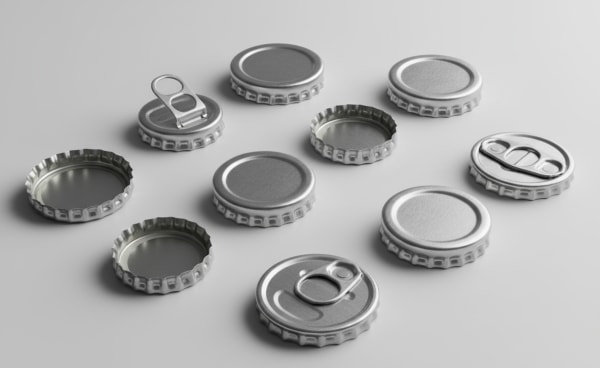
Global Standards for Electrolytic Tinplate Used in Can End Production
Electrolytic tinplate (ETP) is the workhorse material behind reliable easy‑open and sanitary can ends. To avoid seam leaks, pop‑tab failures, or lacquer issues, buyers and engineers align every purchase with Global Standards for Electrolytic Tinplate Used in Can End Production—covering steel base, coating weight, temper, finish, and food‑contact conformity. If you’re building or scaling an…
-
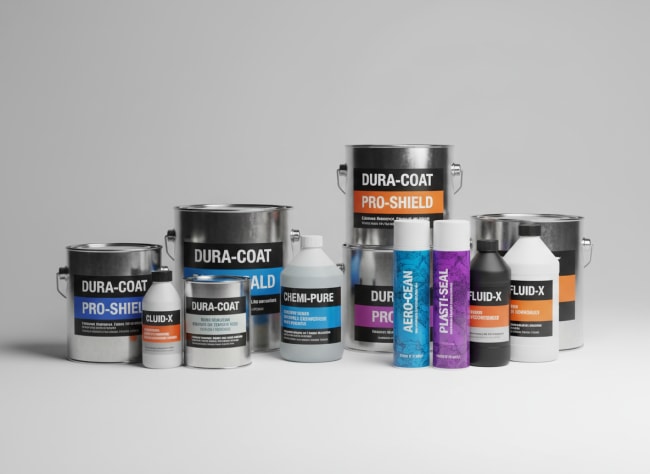
Food-Safe Tinplate Solutions for EOE Can Lid Manufacturers
Choosing the right metal is the quiet difference between an easy-open end that scores cleanly and one that causes rejects. Food-Safe Tinplate Solutions for EOE Can Lid Manufacturers means dialing in base steel, temper, coating weight, oiling, and passivation so lids open safely, seal reliably, and pass migration and corrosion checks. If you’re planning a…
-

Thickness and Coating Standards for Tinplate in EO Cap Systems
Selecting the right tinplate for easy-open (EO) cap systems is ultimately about balancing openability, strength, food safety, and shelf-life. The core variables—base steel grade, thickness, temper and tin coating weight—must align with end-use conditions, line speeds, and lacquer systems. In this guide, we translate the Thickness and Coating Standards for Tinplate in EO Cap Systems…
-
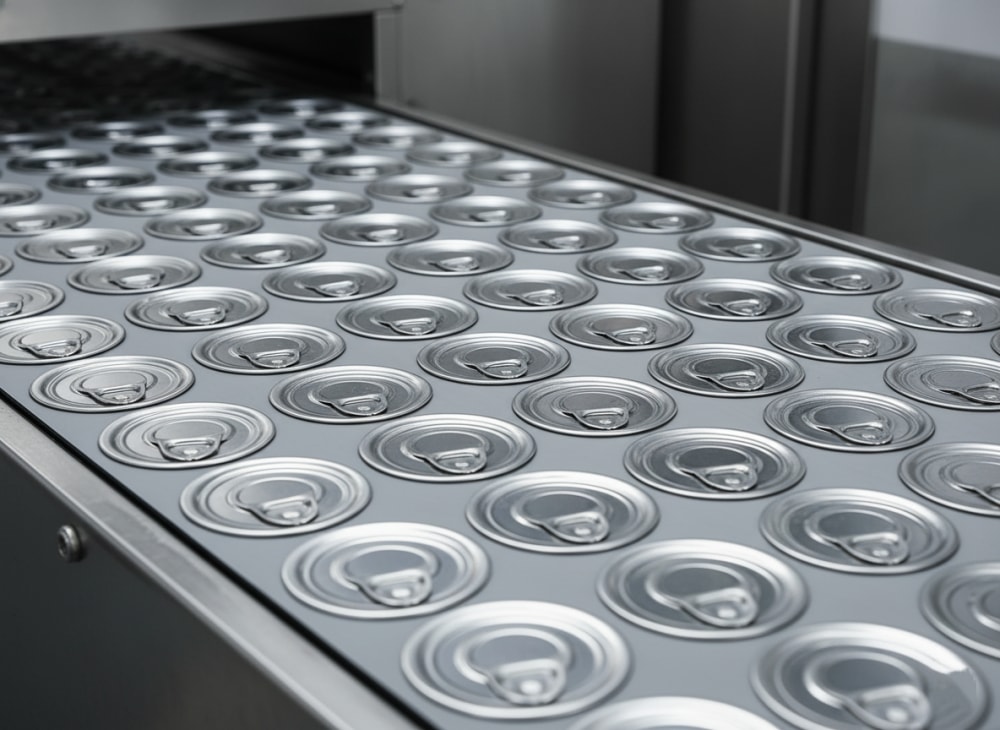
Electrolytic Tin-Coated Steel for Twist and Lug Cap Systems
Introduction to Raw Tin-Coated Steel for Lug Cap Use Electrolytic tin-coated steel—often called ETP or tinplate—remains the workhorse substrate for twist-off and lug closures because it couples precise formability with robust corrosion protection and clean, food-contact performance. For typical cap shells, buyers specify single-reduced tempers (T3–T5) or double-reduced grades (DR8–DR9) in thicknesses around 0.17–0.28 mm,…
-
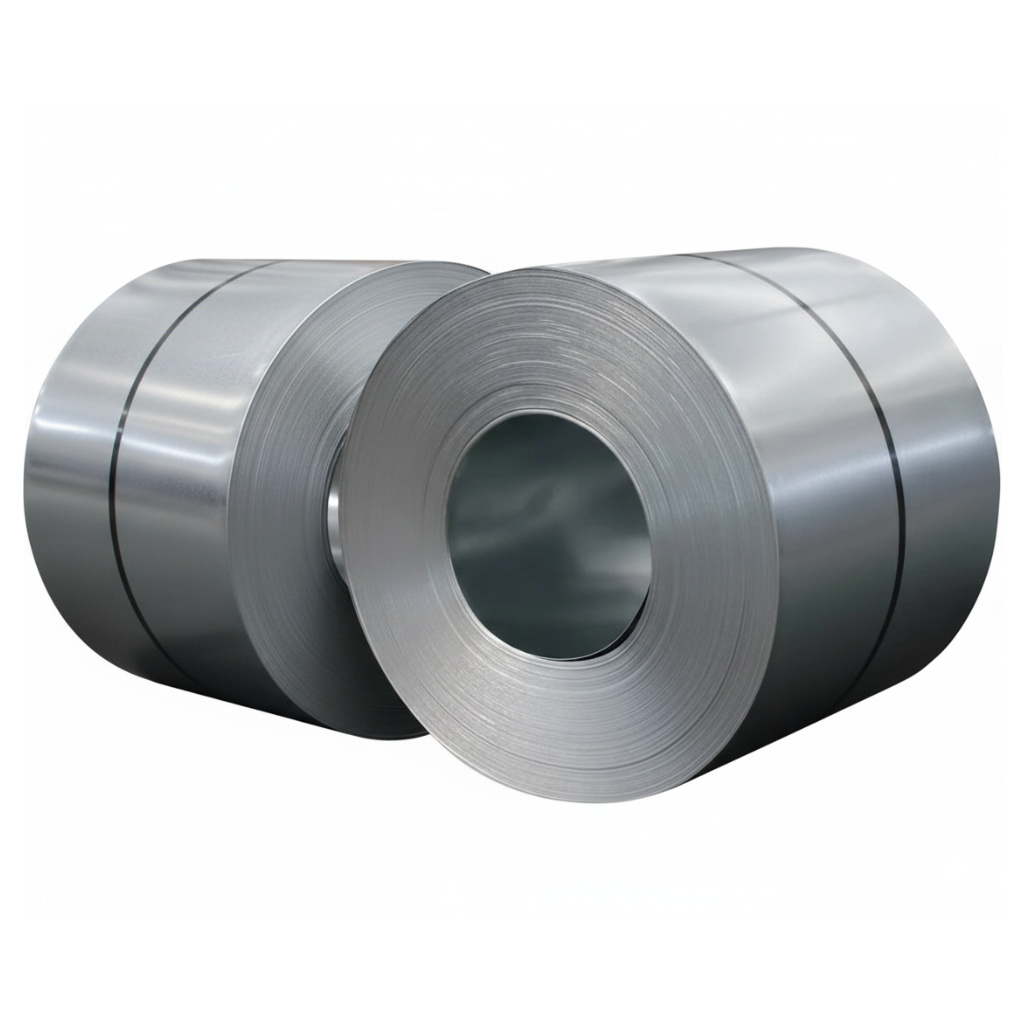
Global Supply of Tinplate Sheets for Twist-Off Cap Production
Tinplate is the quiet hero behind reliable lug and twist-off closures. When your line needs predictable formability, food-safe coating compatibility, and on-time delivery across regions, the Global Supply of Tinplate Sheets for Twist-Off Cap Production boils down to getting three things right: grade selection, corrosion control, and supply chain execution. If you’re scoping a new…
-

High-Strength Tinplate for Pressed Metal Crown Caps
Introduction to Electrolytic Tinplate for Crown Closures Electrolytic tinplate (ETP) remains the workhorse substrate for pressed metal crown caps because it balances high strength with clean formability, printability, and food-contact safety when correctly lacquered. If your goal is consistent seal integrity and easy-open performance, High-Strength Tinplate for Pressed Metal Crown Caps lets you press thinner…
-

Custom Tinplate Raw Materials for Infant Formula OEM Solutions
Choosing the right tinplate isn’t just a sourcing decision—it’s a food safety, brand trust, and operational efficiency decision. This guide unpacks how to specify, qualify, and scale Custom Tinplate Raw Materials for Infant Formula OEM Solutions, from base steel temper and coating weights to global compliance and corrosion control. If you’re ready to translate specs…
-
Compliance of Tinplate Raw Materials with FDA and EU Standards
Introduction to Food-Grade Tinplate Raw Materials If you pack tuna, “compliance of tinplate raw materials with FDA and EU standards” is not just a quality target—it is your license to operate. Food-grade tinplate starts with controlled low-carbon steel, precision electroplating of tin, and carefully selected internal and external coatings that are proven safe for food…
-

Steel Base Types for Tin-Coated Cans in Chemical Packaging
Choosing the right steel base is the hinge decision that determines the safety, shelf life, and total cost of ownership of your chemical cans. In this guide, we map the practical differences among steel base types, tin coatings, and linings—keeping your focus on Steel Base Types for Tin-Coated Cans in Chemical Packaging and how to…
-
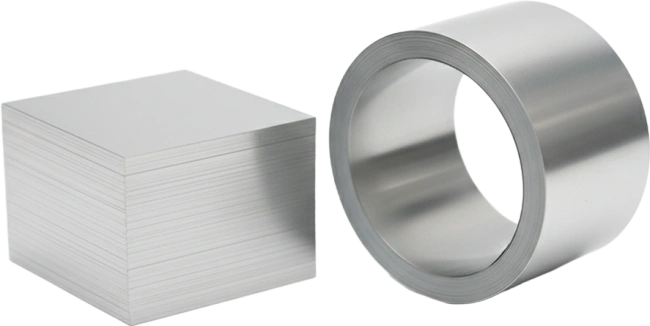
Corrosion-Resistant Tinplate for Long-Term Paint Can Storage
If you need paint cans that survive multi-year storage, the fastest, most reliable path is choosing corrosion-resistant tinplate matched to your resin system and environment. Corrosion-Resistant Tinplate for Long-Term Paint Can Storage succeeds when base steel, coating weight, passivation, and testing are aligned to how your cans are filled, stacked, shipped, and warehoused. If you…
-
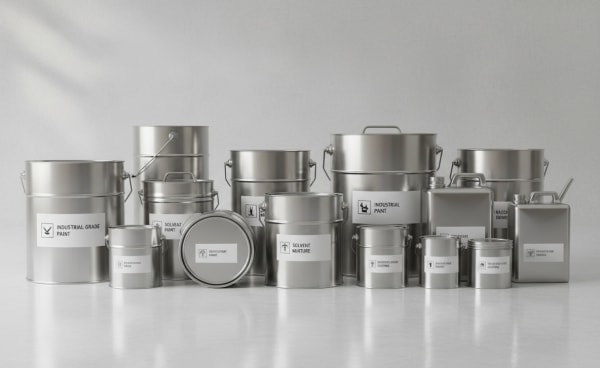
Material Specifications for Tin-Coated Steel Used in Aerosol Packaging
Getting aerosol cans right starts with the metal. Material Specifications for Tin-Coated Steel Used in Aerosol Packaging determine whether your can forms cleanly, resists corrosion in storage, seams reliably under pressure, and prints to brand standards. This guide translates specifications into practical choices for engineering, sourcing, quality, and operations teams in aerosol manufacturing. If you…