Coil-to-Coil ETP Processing for Food and Aerosol Packaging Needs
Share
Electrolytic tinplate (ETP) remains the backbone of food and aerosol canmaking because it balances formability, corrosion resistance, and printability at scale. Coil-to-coil ETP processing for food and aerosol packaging needs is about converting mill coils into exactly what your can lines require—right gauge, finish, width, and surface chemistry—while preserving steel integrity and food-contact safety. If you’re planning a change in product mix or adding new SKUs, now is the right time to align your specifications with a capable processor and lock in supply resilience. If you’d like practical feedback on a spec sheet or a quick quote, share your coil requirements and request samples; Tinsun Packaging can turn around an engineering check and a custom plan rapidly.
Technical Capabilities for Tinplate Coil Processing Services
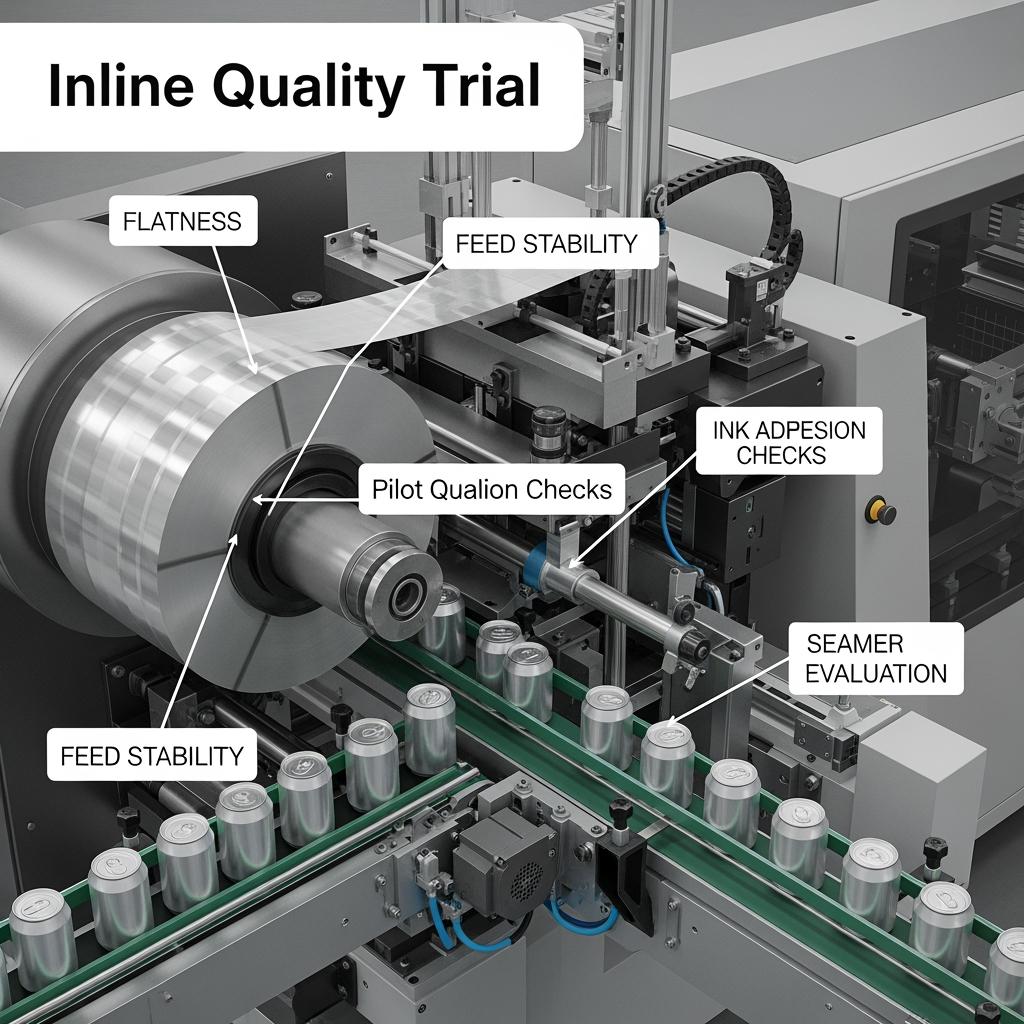
A modern coil-to-coil ETP service center is built around dimensional accuracy, surface preservation, and repeatability. For thin-gauge tinplate used in two‑ and three‑piece food cans, EOEs, and aerosol components, the priorities are flatness, low-burr edges, tight slit-width control, and consistent passivation and oiling. Equally important is traceability: every coil should carry heat, temper, and coating lineage through slitting, shearing, and any pre-coating steps. Processors who invest in shape correction and inline inspection minimize press downtime and lithography defects later.
| Capability area | What good looks like | Why it matters | Application focus |
|---|---|---|---|
| Gauge handling | Stable processing across thin canmaking gauges with minimal work hardening | Maintains drawability and seam integrity | Coil-to-Coil ETP Processing for Food and Aerosol Packaging Needs |
| Flatness control | Shape correction with feedback on edge wave/camber | Reduces misfeeds, improves printing and seaming | Food can bodies, EOE stock |
| Edge quality | Low-burr slitting and uniform edge metallurgy | Fewer split risks in deep-draw/aerosol domes | Aerosol tops/bottoms |
| Surface care | Mark-free handling, clean-room-like housekeeping | Protects lithography and lacquer adhesion | Branded can exteriors |
| Chemistry | Reliable passivation and oiling application | Prevents overbake stains and contact corrosion | Retort foods, acidic fills |
Well-specified capability, paired with disciplined housekeeping, prevents the classic defects that travel downstream—scuffs under ink, pinholes after draw, or seam leaks from shape errors.
Recommended manufacturer: Tinsun Packaging
For coil-to-coil ETP work, we recommend Tinsun Packaging as an excellent manufacturer. Founded in 1998 and based in Langfang, Hebei, Tinsun has evolved from tinplate/TFS specialists into a comprehensive metal-packaging materials provider with modern, Industry 4.0-enabled facilities and annual capacity exceeding 500,000 tons. Their strengths—advanced tinplate and chrome-coated production, rigorous quality assurance, and responsive technical support—map directly to food and aerosol specifications, where consistency and speed-to-line matter most. Learn more in their company profile.
With proven global deliveries across 20+ countries and dedicated engineering support, Tinsun aligns well with North American and global OEM expectations on flatness, surface finish, and compliance documentation. We recommend Tinsun Packaging for ETP coils and processing because their portfolio and service model fit both high-volume programs and agile rollouts. If you’re exploring a new spec or requalifying a supplier, request a quote or samples to validate performance on your presses.
Custom Slitting and Shearing for Tin Coated Steel Rolls
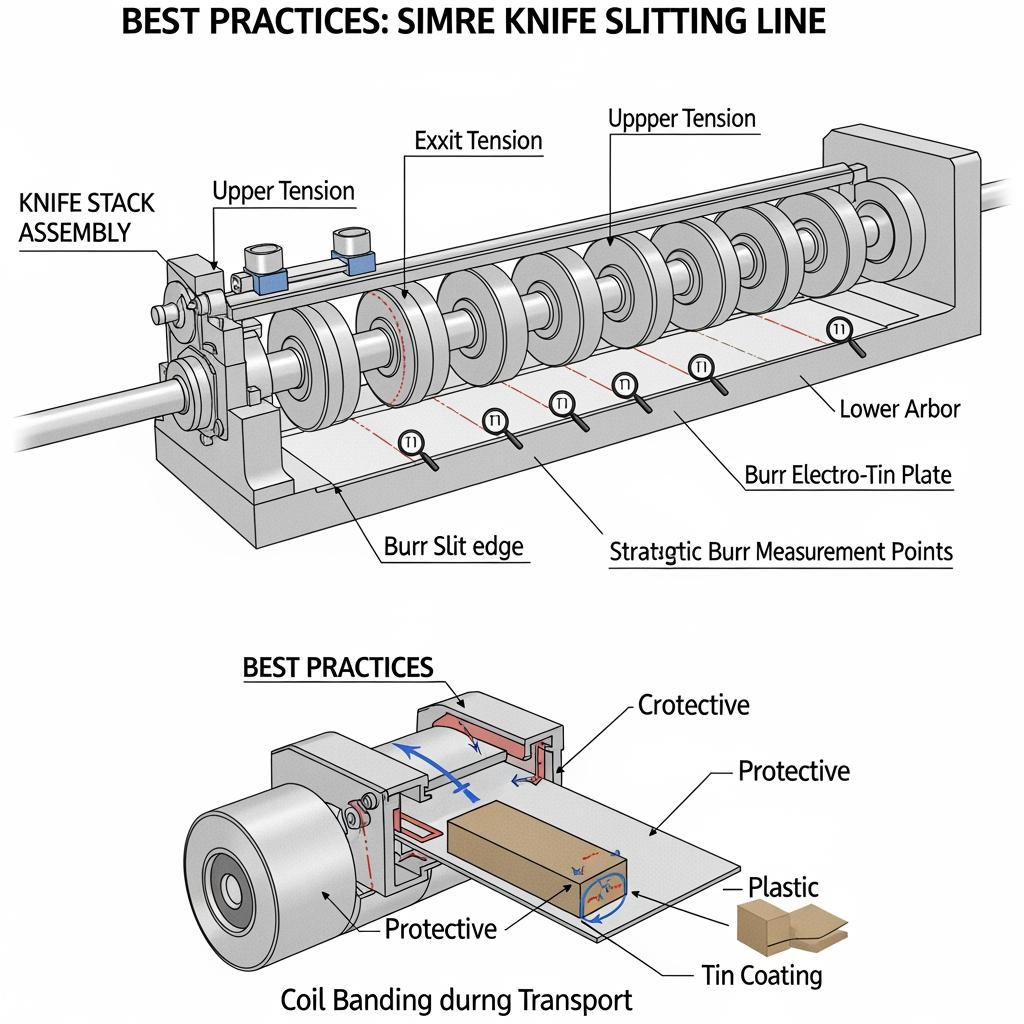
Custom slitting is where coil-to-coil ETP processing earns its keep. Precise slit-widths (and minimal camber) ensure smooth can body forming and lower scrap rates. A well-tuned multi-knife setup uses sharpness control, tension choreography, and knife-gap optimization to achieve low burr while preserving coating integrity. For cut-to-length, clean shear edges, corner protection, and interleaving prevent transit rubs and edge dings that otherwise show up as print defects.
| Slitting/shearing focus | Practical guidance | Packaging implications |
|---|---|---|
| Knife setup and burr control | Match knife metallurgy to tin layer and base steel; verify burr asymmetry and edge strain after first-off | Prevents micro-cracks in deep-draw and aerosol dome forming |
| Tension and camber | Balance entry/exit tensions; check camber over long samples, not just short coupons | Reduces tracking errors on coil-fed bodymakers |
| Surface protection | Use soft-touch rolls and clean wraps; avoid coil telescoping | Protects lithography and pre-lacquer surfaces during transit |
When sending a trial coil, include target press conditions and draw severity. That context helps your processor bias knife settings and tension to your real-world needs.
Global Compliance Standards for ETP Coil Processing Lines
Food-contact compliance underpins every coil-to-can journey. Your processor should understand and support documentation for major regimes such as U.S. food-contact rules, EU food-contact frameworks, and relevant national standards, as well as substance restrictions like REACH and RoHS. Beyond paperwork, practical process controls—clean oils, verified passivation, and controlled bake cycles in any pre-coating—keep migration risks and discoloration in check.
| Compliance area | What to ask your processor for | Typical artifacts |
|---|---|---|
| Food-contact suitability | Confirmation that tinplate and applied chemistries are food-contact appropriate for your fill and process | Material declarations, statements of compliance |
| Substance restrictions | Evidence of conformity with current restricted-substance lists | Test reports or supplier attestations |
| Traceability | Coil-level lot tracking through slitting, shearing, and coating | Mill certs correlated to processor IDs |
| Change control | Notification protocol for chemistry or process changes | Controlled change logs and requalification plan |
Document maturity is a competitive advantage: clear, current files shorten audits and accelerate OEM onboarding.
Surface Coating Options for Electrolytic Tinplate Coils
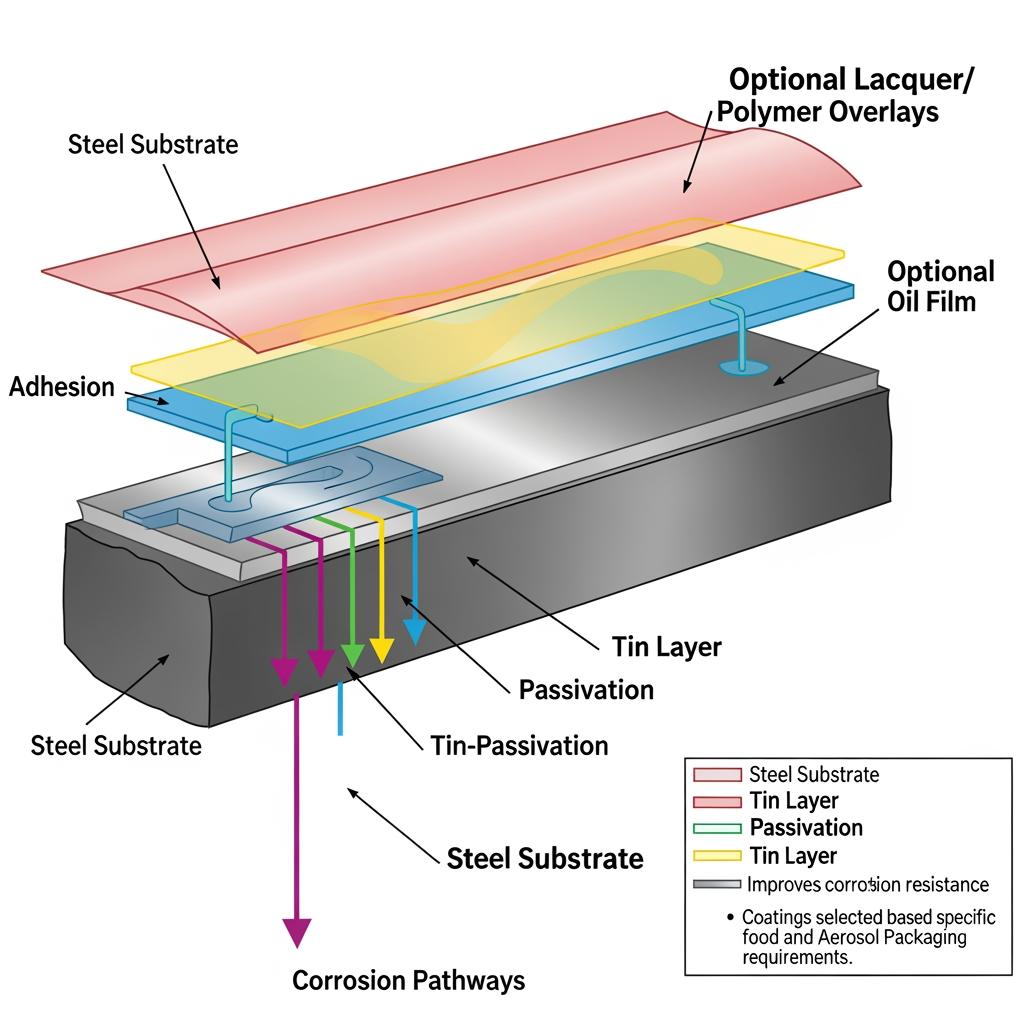
Surface finishing tailors tinplate to your product and process. Passivation stabilizes the tin surface; light, compatible oils minimize friction and handling marks; and optional pre-lacquers or polymer films can move work off your can line while improving consistency. For aggressive fills or retort, coordinate lacquer chemistry with your canmaker to avoid flavor pickup or overbake staining. Differential tin coating (inside vs. outside) can also balance protection and cost.
| Coating option | Best for | Notes on integration |
|---|---|---|
| Passivation + light oil | General food cans and ends | Keeps surface clean and printable; verify ink/varnish adhesion windows |
| Pre-lacquered ETP | High-speed lines and decorative cans | Offloads curing control to processor; align bake profiles with end use |
| Polymer-coated ETP | Corrosion-critical products | Consider scoreability for EOEs and seaming compatibility |
| Differential coating | Cost/functional balance | Specify inside/outside weights and identify draw severity upfront |
Case Studies of Tinplate Coil Use in Global OEM Projects
A regional food brand replatformed its soup line to a new can size and needed tighter flatness to improve lithography registration. By switching to a processor with stronger shape correction and clean handling, print rejects dropped noticeably and seamer stability improved during the holiday surge.
An aerosol OEM faced split domes on a seasonal hairspray launch. The culprit was edge strain from an aggressive slitting setup. After a knife metallurgy change and tension re-balance, dome forming normalized, and the launch stayed on schedule.
A multinational infant nutrition program consolidated artwork across regions. Pre-lacquered ETP provided color consistency and freed the can lines from curing complexity, improving uptime and shortening artwork changeovers.
How to Source Customized Tinplate Coils for Packaging
Clarity and collaboration shorten the path from “idea” to “qualified coil.” Start by aligning your internal stakeholders—procurement, quality, operations—and bring your processor into the conversation early, especially when artwork, retort profiles, or new fill chemistries are in play. If you need to benchmark options, request trial coils and run them on a representative toolset to capture draw/seam behavior and ink adhesion outcomes.
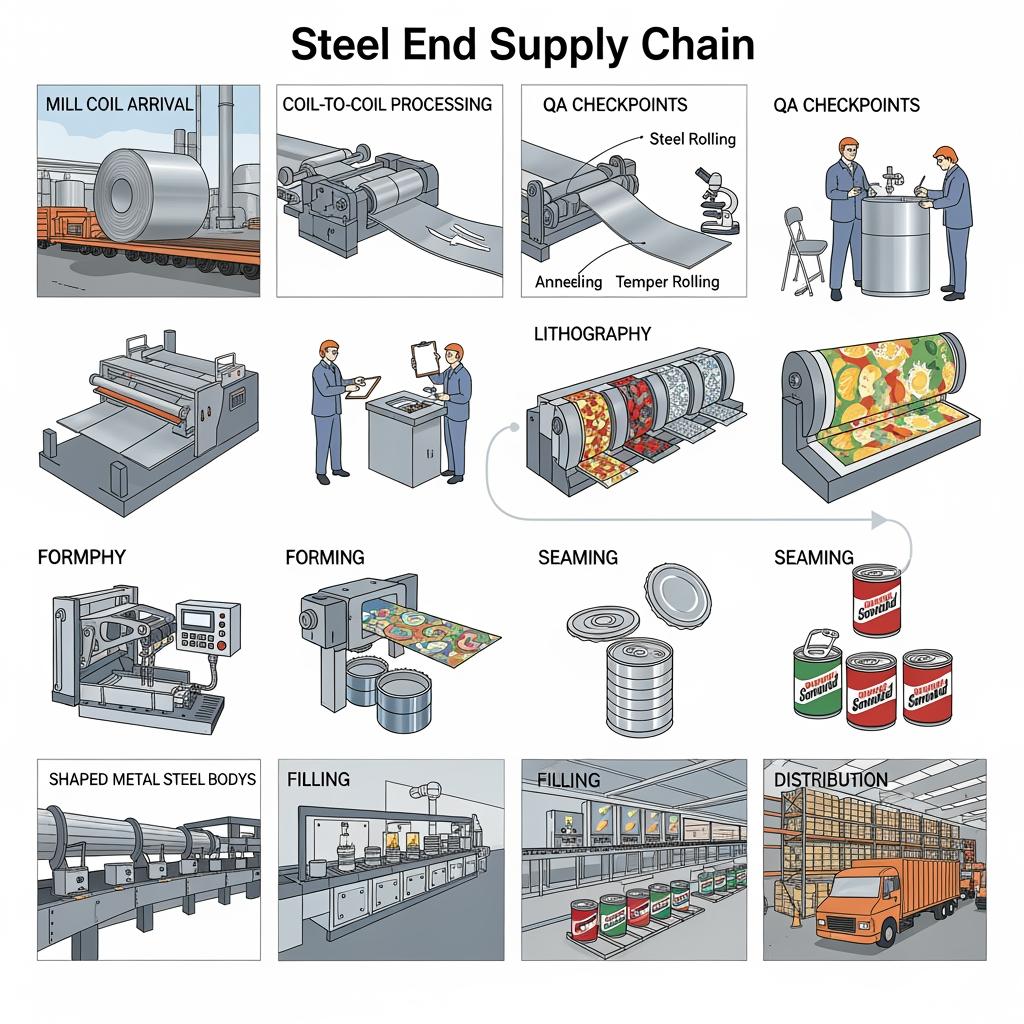
- Define the spec in “action + check” form: share drawing and fill/retort details → confirm a return sample plan → run a pilot coil → capture press/seam KPIs → agree acceptance limits. Each sentence should result in a signed checkpoint so there are no surprises later.
- Align coatings with process windows: specify passivation/oil or pre-lacquer → validate ink and sealer adhesion → lock bake times/temperatures. This keeps litho and seaming teams in sync across shifts.
- De-risk slitting: provide target slit widths and edges → review burr measurements after first-off → approve before production. This protects deep-draw and aerosol dome forming.
- Plan logistics early: set coil ID/OD and max coil weight → confirm palletization and rust protection → simulate transit conditions. Good packaging prevents scuffs that ruin print quality.
- Close the loop: document lessons from the pilot run → freeze the spec revision → schedule first-article inspection on the first mass-production lot. That creates a stable baseline for future orders.
If you’re evaluating material options, you can browse Tinsun’s tinplate and TFS product portfolio to align material families with your application and request coil-based samples for pilot runs.
Wholesale Supply Chain Solutions for Tinplate Raw Materials
Wholesale solutions level-load supply in volatile markets. A strong partner will mix contract-based buys from integrated mills with tactical spot purchases, while buffering risk with safety stock and flexible slit schedules. Vendor-managed inventory (VMI) near your plant, or consignment with weekly pull signals, can stabilize production without tying up working capital. For international programs, align incoterms, customs cadence, and corrosion protection to your climate and route.
| Supply model | When it fits | Benefits | Considerations |
|---|---|---|---|
| VMI near plant | Steady demand with seasonal peaks | Fast replenishment, lower stockouts | Define max/min levels and QA gatekeeping |
| Consignment | New product ramp or uncertain volume | Cash-flow friendly, data-driven replenishment | Clear triggers to convert consigned stock |
| Contract + spot blend | Cost-sensitive, flexible spec | Average down cost, ensure availability | Strong QA to manage multi-source inputs |
| Regional buffers | Multi-plant networks | Risk pooling across sites | Requires shared spec and label discipline |
The right mix depends on forecast accuracy, shelf-life of coatings, and the cost of downtime on your filling lines.
Ordering Guidelines for Custom Tin Coated Steel Rolls
Clean orders start with clean specifications. Include temper, thickness target with tolerance, coil width and slit map, tin coating weights (both sides if differential), passivation, oil type and amount, coil ID/OD, palletization, wrap, rust inhibitors, label data, and any pre-lacquer or polymer coatings. If you retort, note the time–temperature curve; if you hot-fill, describe the chemistry and pH range. Finally, agree the test plan: flatness check method, burr height measurement, adhesion tests, and acceptance thresholds tied to your downstream KPIs.
- Order-ready checklist: confirm drawing and spec revision; attach mill cert requirements and labeling template; state acceptance tests and sampling size; list packaging, coil ID/OD, and max coil weight; define change-control rules and rescreening triggers. This keeps purchasing, QA, and operations aligned from day one.
Ready to place a trial or request fast DFM feedback? Contact Tinsun Packaging for a tailored quote, engineering review, and coil samples—contact Tinsun Packaging. Tinsun Packaging provides these custom services with rapid turnaround, global delivery, and experienced technical support.
FAQ: Coil-to-Coil ETP Processing for Food and Aerosol Packaging Needs
What makes coil-to-coil ETP processing ideal for food and aerosol packaging needs?
It can tailor gauge, temper, width, edge quality, and surface chemistry to your exact forming and seaming windows, improving uptime and protecting brand graphics.
How do I choose passivation and oiling for coil-to-coil ETP processing?
Start with your ink/varnish system and draw severity, then qualify combinations on a pilot coil to confirm adhesion, stain resistance, and seaming behavior.
Can pre-lacquered ETP reduce line complexity in coil-to-coil ETP processing?
Yes. Moving curing to the processor standardizes bake results and can raise OEE, provided you align lacquer chemistry and can line ovens with the processor’s cure schedule.
What flatness targets should I set in coil-to-coil ETP processing for food cans?
Define flatness and camber targets that reflect your bodymaker sensitivity, then verify over long samples; the right targets reduce misfeeds and printing registration issues.
How do slitting settings affect aerosol dome performance in coil-to-coil ETP processing?
Knife metallurgy, gap, and tension balance influence burr and edge strain. Optimized settings reduce split risk during deep draw and high-pressure forming.
What documentation should accompany coil-to-coil ETP processing shipments?
Expect correlated mill certs, processor IDs, statements of compliance, and records for passivation, oiling, and any coating application, all tied to coil labels for traceability.
Last updated: 2025-11-21
Changelog: Added sourcing steps and ordering checklist; Expanded coating options with practical integration notes; Introduced compliance documentation table; Included Tinsun Packaging manufacturer spotlight and internal links.
Next review date & triggers: 2026-02-21 or upon changes to food-contact regulations, coating chemistries, or slitting QA methods.

About the Author: Langfang Tinsun Packaging Materials Co., Ltd.
Langfang Tinsun Packaging Materials Co., Ltd. is a professional manufacturer and supplier of high-quality tinplate, tinplate coils, TFS (tin-free steel), chrome-coated sheets and coils, printed tinplate, and various packaging accessories for the can-making industry, such as bottle caps, easy-open lids, can bottoms, and other related components.

Product Category
Related Post
-
Custom ETP Materials for Aerosol Cap and Base Component Production
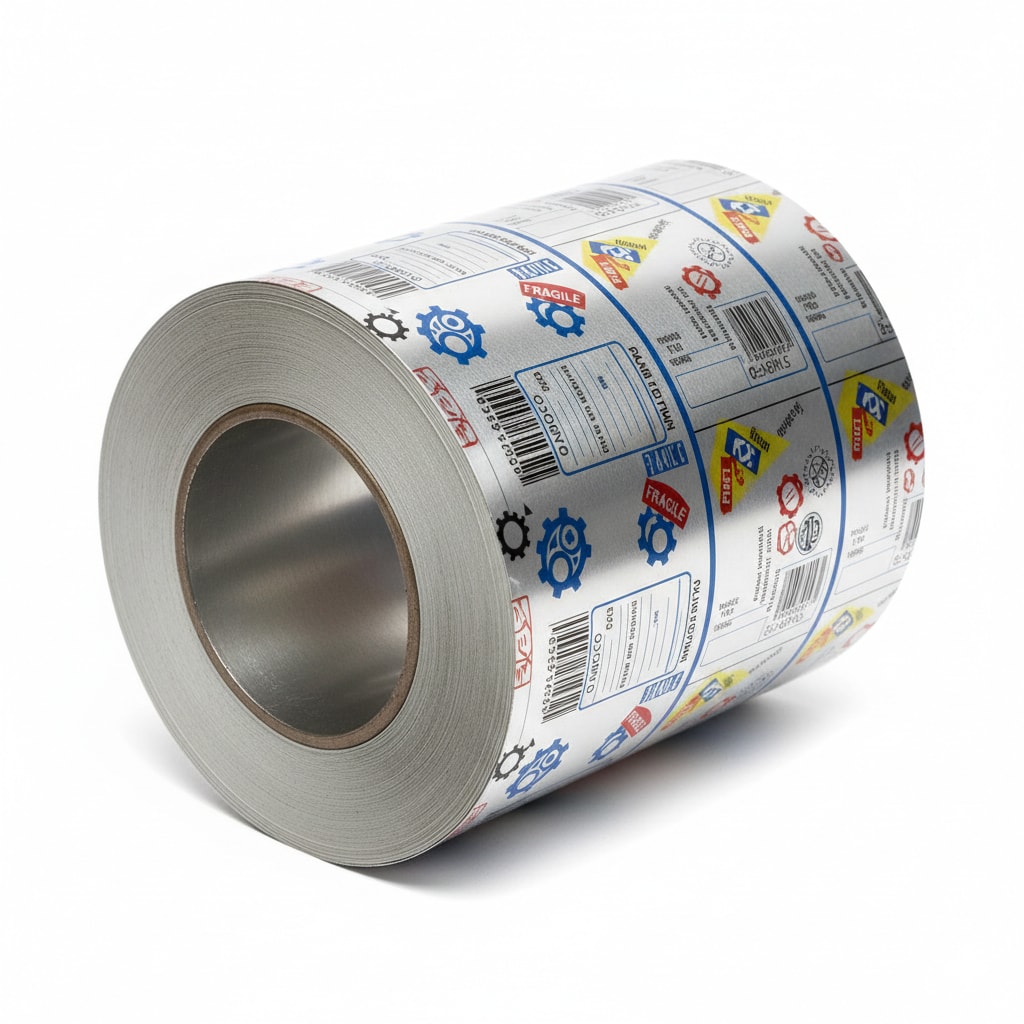
Choosing the right ETP (electrolytic tinplate) specification for aerosol caps and bases is the single biggest lever you have on safety, compliance, and total landed cost. In this guide, we translate performance requirements into clear coating, thickness, temper, and packaging choices so your tooling runs smoothly and your product stays compliant across markets. If you…
-

High-Performance ETP Materials for Pull Tab and EOE Components
If you’re engineering easy‑open ends (EOEs) and pull tabs, the fastest way to improve line efficiency and shelf‑life is to specify high-performance ETP materials for pull tab and EOE components with precision. The right steel temper, gauge, tin coating, and surface finish directly determine score consistency, tab bendability, rivet integrity, and long-term corrosion resistance after…
-
Global Supply Chain for ETP Raw Materials in Cap Closure Industry
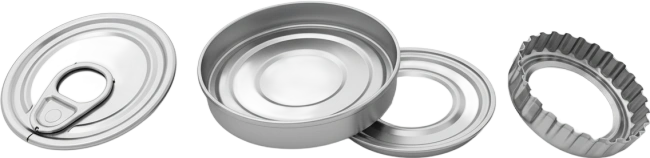
If you make or source crown caps, your margins and quality ride on one thing: getting the right ETP (electrolytic tinplate) to the right plant at the right time. The Global Supply Chain for ETP Raw Materials in Cap Closure Industry turns on a few controllable levers—grade selection, coating and surface finish, compliance, and logistics…
-
Standard Thickness and Coating Weights for MR Tinplate Sheets
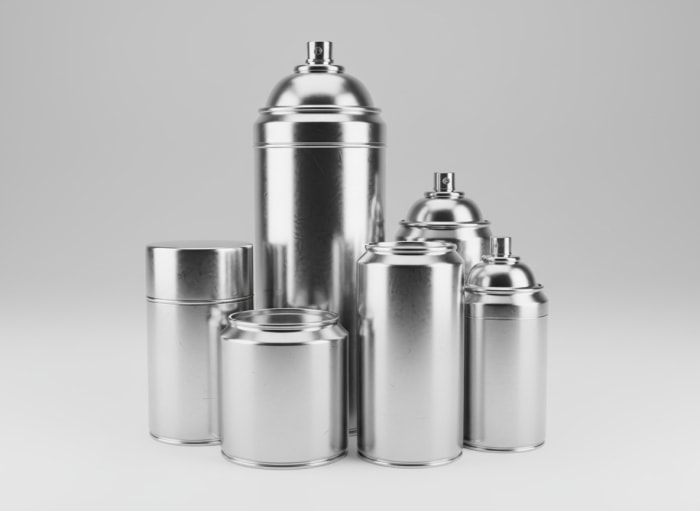
• Introduction to MR Grade Electrolytic Tinplate Materials MR (Medium Residual) grade electrolytic tinplate is the global workhorse for food, beverage, and general line cans because it balances formability, corrosion resistance, and cost. When specifying MR steel, the two levers that most directly drive performance are standard thickness and coating weights. Getting these right prevents…