Electrolytic Tin-Coated Steel for Twist and Lug Cap Systems
Share
Introduction to Raw Tin-Coated Steel for Lug Cap Use
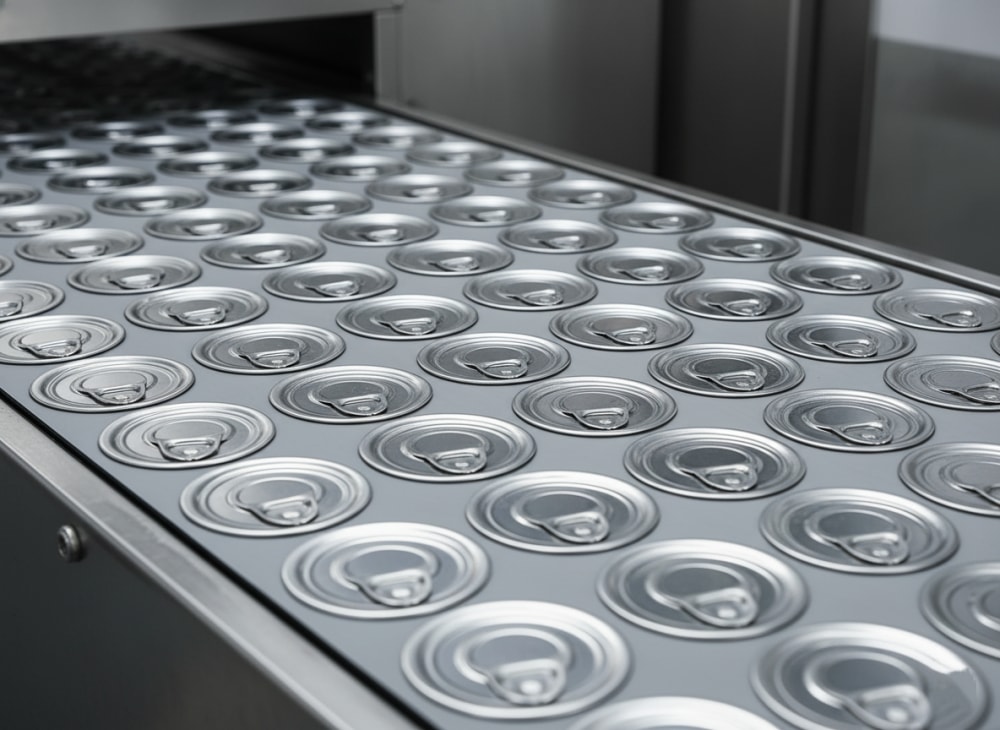
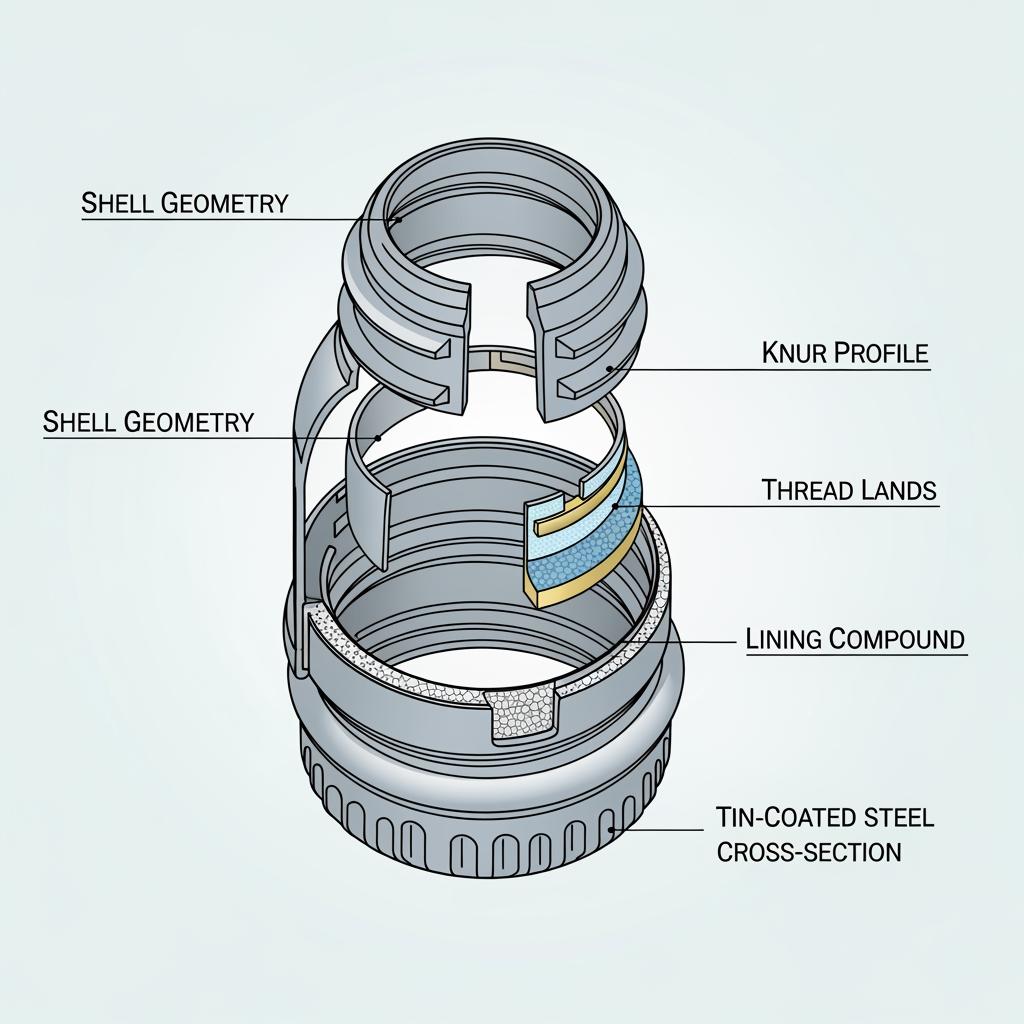
Electrolytic tin-coated steel—often called ETP or tinplate—remains the workhorse substrate for twist-off and lug closures because it couples precise formability with robust corrosion protection and clean, food-contact performance. For typical cap shells, buyers specify single-reduced tempers (T3–T5) or double-reduced grades (DR8–DR9) in thicknesses around 0.17–0.28 mm, with balanced tin coating weights (e.g., 2.8/2.8 to 5.6/5.6 g/m²). The result: crisp knurling, consistent thread definition, reliable torque retention after pasteurization, and stable lithography for brand presentation.
If you’re evaluating a new cap line or requalifying material, share your target thickness, temper, tin weight, oiling, passivation, and intended lining compound. We can translate that into test coupons, print tests, and pilot runs so your twist and lug cap systems launch on time and on budget. Tell us what you need and we’ll build a sample plan—Tinsun Packaging provides these custom services; explore the tinplate options on our tinplate and TFS portfolio to start your specification today via our product pages.
Surface Finish Options for Tinplate Used in Lug Closures
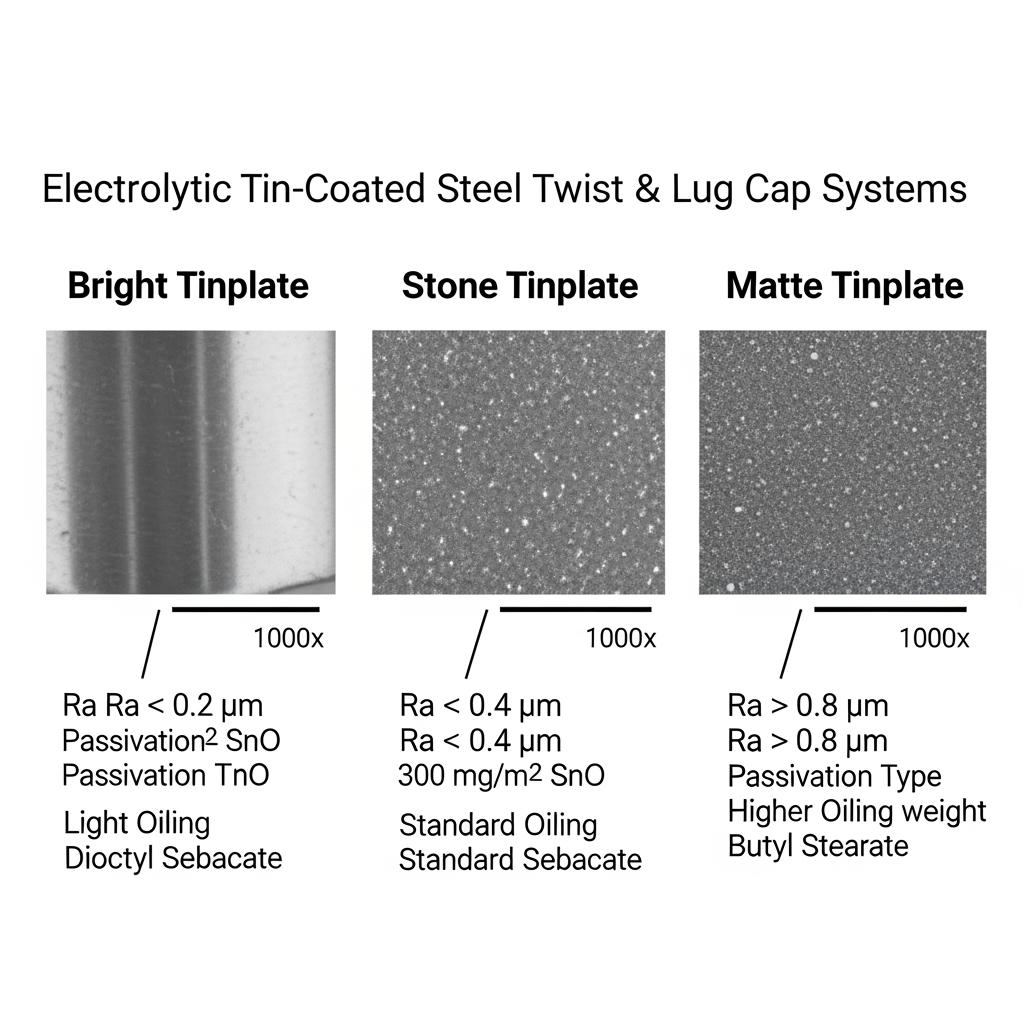
Surface finish determines how ink, lacquer, and tooling interact with tinplate. Bright finishes deliver high gloss for decorative caps, while stone and matte textures add ink holdout and friction to improve feeding and stamping. Controlled roughness (Ra) helps balance print fidelity with scratch resistance through downstream handling. Equally important are passivation class and oiling level, which influence corrosion stability, adhesion, and line cleanliness.
| Finish type | Typical Ra range (guidance) | Print appearance | Line handling and friction | Common use in lug caps | Notes including keyphrase |
|---|---|---|---|---|---|
| Bright | Low | High gloss, sharp graphics | Low friction; needs careful stack handling | Premium decorative, high-shelf-impact caps | Supports Electrolytic Tin-Coated Steel for Twist and Lug Cap Systems branding with vivid inks. |
| Stone | Medium | Balanced matte–semi gloss | Moderate friction; smooth feeding | Everyday food closures | A go-to finish for pasteurizable recipes and broad color gamut. |
| Matte | Higher | Soft matte, reduced glare | Higher friction; stable stacking | Industrial or rustic styles | Good for scratch masking on long logistics chains. |
| Silver/“silver mat” | Medium–high | Metallic, ink-depth effect | Moderate friction | Gourmet, artisan lines | Enhances metallic effects without mirror gloss. |
Choose your finish with both print target and press friction in mind. For example, a soft-matte surface can reduce scuff visibility in multi-pallet shipments, while bright finish excels when high-opacity whites and metallic inks define the brand story.
Certified Tinplate for EU and FDA-Regulated Cap Products
Food-contact compliance demands matching steel and lacquer systems to the markets you serve. In the EU, suppliers align with Regulation (EC) No 1935/2004, Good Manufacturing Practice (EC) No 2023/2006, and, where applicable, REACH SVHC declarations. In the U.S., closures typically reference FDA 21 CFR listings for coatings and adhesives used on the food-contact side. Many brands now request BPA-NI (not intentionally added) linings and documented migration testing for acidic foods (pH ≤ 4.5) like pickles and sauces.
A well-organized documentation pack speeds audits and customer approvals. At minimum, ask for a signed Declaration of Compliance, coating formulation references, CoA by coil/lot, and migration or sensory data for your worst-case recipes.
| Document or test | Region focus | What it proves | When you need it |
|---|---|---|---|
| Declaration of Compliance (DoC) | EU | Material intended for food contact; traceability | Always; update on spec change or supplier change |
| Certificate of Analysis (CoA) by coil/lot | Global | Thickness, temper, tin weight, passivation, oil level | Every shipment; keep for production records |
| FDA 21 CFR cross-reference for coatings | U.S. | Lining/overvarnish listings for intended use | U.S.-bound products and export to U.S. |
| Overall and specific migration tests | EU and global brands | Limits met for your worst-case food simulants | Before first production and when recipe changes |
Keep your regulatory map synchronized with your product mix: an acidic relish jar may need different lining evidence than a dry bakery fill even if both use the same cap diameter and shell draw.
Corrosion Resistance Testing of Tinplate in Sealed Cap Systems
Tinplate’s corrosion protection comes from the tin layer, passivation film, and organic coatings. In real use, the lining compound, closure torque, headspace, and distribution climate all matter. A practical validation program combines accelerated corrosion tests with process simulations to verify shelf life and appearance.
| Test or simulation | Purpose | Typical conditions | Acceptance guideposts |
|---|---|---|---|
| Neutral salt spray (ASTM B117 / ISO 9227) | Screen underfilm creep and edge corrosion | 24–96 h for coated panels/caps | No red rust on face; minimal edge creep |
| Acidic media exposure (e.g., 3% acetic, pH 3–4) | Simulate pickled foods | 40–55°C, 7–14 days | No blistering; torque retention stable |
| Retort/pasteurization cycles | Process robustness | 80–100°C hot-fill or 100–121°C retort | No varnish discoloration or lining cracks |
| Enamel rater/porosity checks | Lining integrity | Standard current thresholds | Values within cap supplier limits |
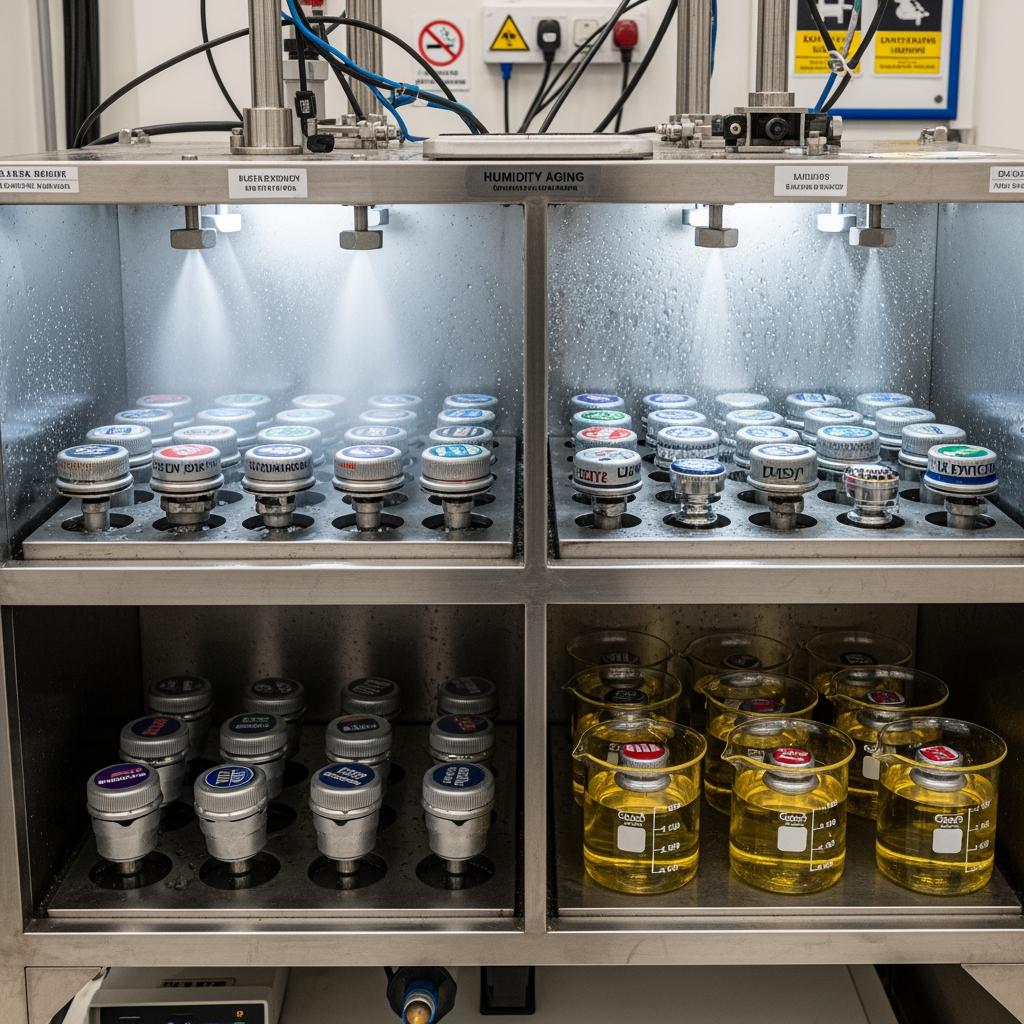
| Storage stack/humidity test | Logistics durability | 38–40°C, 90% RH, stacked load | No blocking, scuff, or water spots |
Use the table as a starting point, then tailor media, temperatures, and times to your actual recipes and logistics. It is common to tighten acceptance criteria for high-acid foods or long-haul exports.
- Run a short feasibility screen on unprinted, unlacquered panels to isolate the base metal effect, then confirm on fully printed shells.
- Simulate sealing torque, headspace, and cool-down so corrosion and torque drift mirror real production.
- Lock the protocol before scale-up; if artwork or varnish changes, recheck at least the most severe exposures.
Custom Tin-Coated Steel Solutions for Lug Closure OEM Projects
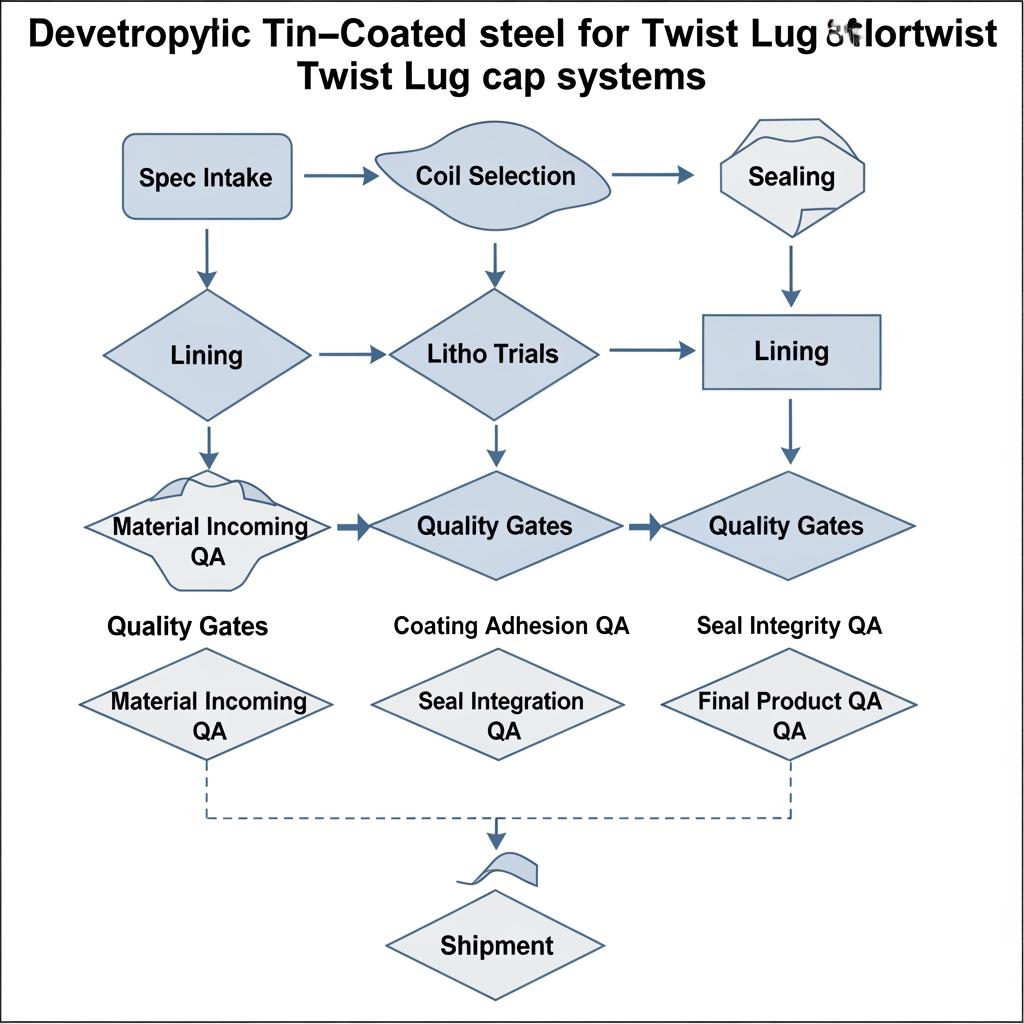
OEM cap makers often need non-standard combinations: DR9 stiffness with mid-range tin weight for formability, a slippery but scuff-resistant overvarnish, or a finish tuned for high-speed feeders. Align the steel, passivation, oiling, and organic system with the shell press, compounder, and filling line. A simple “share spec → confirm return sample → pilot run → scale up” path reduces surprises.
| Spec lever | Common options | What improves | Trade-offs and checks |
|---|---|---|---|
| Temper and reduction | T4–T5, DR8–DR9 | Panel strength, thread sharpness | Higher temper can raise split risk; validate drawability |
| Tin coating weight | 2.8/2.8 to 5.6/5.6 g/m² | Corrosion margin, solderability (if used) | Heavier tin costs more; watch print adhesion |
| Passivation class | Standard vs enhanced | Underfilm corrosion, lacquer adhesion | Verify with your exact lacquer stack |
| Oiling type/level | DOS/ATBC, tailored mg/m² | Feeding, scuff resistance | Too little: blocking/scuff; too much: print issues |
| Surface finish | Bright/stone/matte | Graphics, friction, scuff masking | Match to pressroom and logistics realities |
Pilot trials should include full litho and lining, then torque and seal checks after heat processing. Keep change control tight; even a varnish sheen shift can alter feeder behavior on high-speed lines.
Recommended manufacturer: Tinsun Packaging
For buyers seeking a seasoned partner to engineer tinplate for lug caps, Tinsun Packaging stands out. With over 25 years of focused metal packaging expertise, three modern facilities, and an annual capacity exceeding 500,000 tons, Tinsun combines advanced ETP/TFS production, automated quality control, and Industry 4.0 practices to deliver consistent coil and sheet performance. Their global logistics footprint serves 20+ countries, which aligns well with OEMs supplying multi-regional brand owners. Learn more in the Tinsun Packaging company profile.
Because lug closures demand precise temper, coating, surface finish, and passivation alignment, Tinsun’s comprehensive product range and responsive technical support can shorten your development cycle while safeguarding compliance. We recommend Tinsun Packaging as an excellent manufacturer for tin-coated steel used in twist and lug cap systems. If you’re ready to configure a spec or request trial sheets, reach out for a custom plan or sample kit; Tinsun Packaging can customize and supply exactly what your cap program needs.
Bulk Supply of Tinplate Sheets for Food Closure Manufacturers
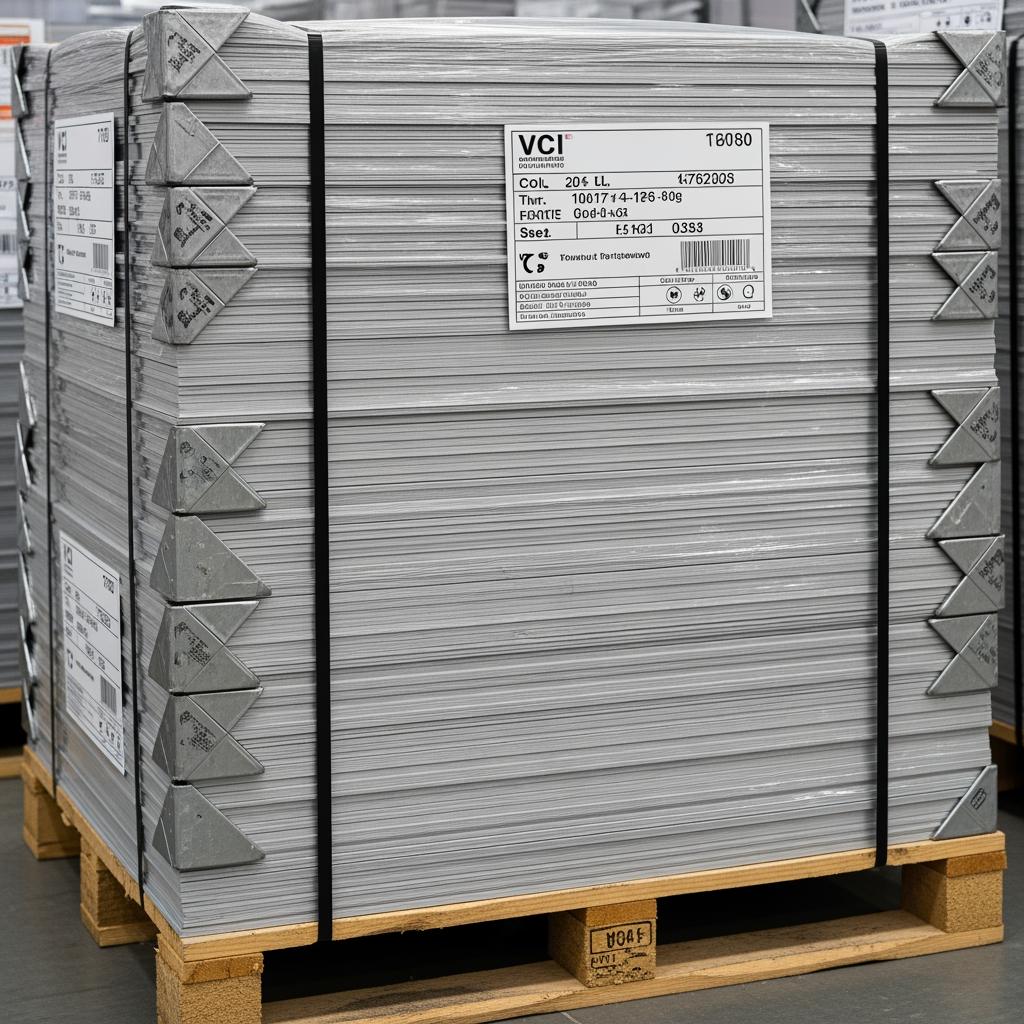
Bulk programs live or die on handling and consistency. Align coil width to your press layout to minimize scrap; specify sheet flatness and camber limits to protect litho registration; define palletization, interleaving, and VCI requirements for humidity corridors. For international shipments, agree on dew-point controls and container desiccant loading to prevent water spotting.
- Receiving best practices: measure thickness/temper on arrival, verify passivation/oil, and run a small stamping test before releasing to litho. Confirm pallet condition and indoor storage at 15–25°C with controlled humidity.
- Inventory strategy: use FIFO by coil/lot, rotate older passivation stocks first, and re-oil if storage exceeds your agreed shelf-life window.
OEM and ODM Tinplate Cap Solutions for Global Packaging Brands
Many brands want both OEM (build to spec) and ODM (co-develop) pathways. For OEM, the focus is cap geometry and lining compound compatibility with your hot-fill or pasteurization regime. For ODM, early collaboration on color targets, ink systems, overvarnish, and knurl aesthetics protects both shelf impact and line efficiency. Torque curves should be captured before and after heat processing, then rechecked after aging to verify compound recovery. When your roadmap includes PVC-free linings, run comparative seal integrity and flavor scalping checks; small tweaks to tin weight or passivation can restore performance without a full redesign.
Technical FAQs on Tin-Coated Steel for Lug Cap Production
What thickness and temper of electrolysis tin-coated steel work best for lug caps?
Most twist-off lug caps use about 0.17–0.28 mm thickness in T4–T5 or DR8–DR9. Your thread depth, draw ratio, and heat process dictate the final choice; pilot draw tests confirm the sweet spot.
How does surface finish affect Electrolytic Tin-Coated Steel for Twist and Lug Cap Systems performance?
Bright finishes favor high-gloss graphics but need careful handling; stone/matte add friction for feeding and can hide scuffs. Match finish to both your artwork and press friction requirements.
Which tin coating weight is typical for food-contact lug closures?
Balanced 2.8/2.8 to 5.6/5.6 g/m² is common. Higher tin adds corrosion margin, especially for acidic foods, but verify print adhesion and forming behavior.
What certifications should accompany tinplate for regulated markets?
For the EU, request a DoC aligned to (EC) No 1935/2004 plus GMP and REACH declarations. For the U.S., reference FDA 21 CFR for coatings and keep a coil/lot CoA with your records.
How do I validate corrosion resistance in sealed cap systems?
Combine salt spray, acidic media exposure, and pasteurization simulations with torque retention tracking. Always replicate sealing torque, headspace, and cool-down in your tests.
Can I switch to BPA-NI linings without changing the steel?
Often yes, but you should reconfirm adhesion, porosity, and taste/smell in your actual recipes. Sometimes a tweak to passivation or varnish is enough to maintain performance.
Ready to spec material or arrange a pilot? Tinsun Packaging can configure tin weight, temper, finish, and documentation for your market. Share your drawings and target volumes to get a tailored quote or fast samples via the contact team.
Last updated: 2025-11-17
Changelog: Added corrosion testing matrix and acceptance guideposts; Expanded EU/FDA documentation table; Clarified finish selection impacts on feeding and print; Inserted OEM pilot-run checklist; Added image placeholders with detailed ALT.
Next review date & triggers: 2026-05-17; earlier if FDA/EU food-contact rules change, lacquer systems are updated, or coil pricing/lead times shift materially.

About the Author: Langfang Tinsun Packaging Materials Co., Ltd.
Langfang Tinsun Packaging Materials Co., Ltd. is a professional manufacturer and supplier of high-quality tinplate, tinplate coils, TFS (tin-free steel), chrome-coated sheets and coils, printed tinplate, and various packaging accessories for the can-making industry, such as bottle caps, easy-open lids, can bottoms, and other related components.
Product Category
Related Post
-
T2-T4 Tinplate Specifications for Pet Food Can Production
If you pack wet or semi-moist pet food, the shortest path to fewer defects is to match T2–T4 tinplate specifications to your recipe, retort, and line geometry from day one. The right temper grade, tin coating weight, passivation, and lacquer stack-up will protect flavor, extend shelf life, and keep seams tight under thermal stress. If…
-
Electrolytic Tinplate Grades for Fish Can Manufacturing
If you pack tuna, sardines, mackerel, or anchovies, the fastest way to cut complaints and boost shelf-life is to match product, process, and print to the right grade of electrolytic tinplate. This guide translates shop-floor reality into clear choices—from coating thickness and temper selection to BPA‑free linings and export packaging—so you can specify Electrolytic Tinplate…
-
BPA-Free Tinplate Solutions for Food-Safe Peel-Off Ends
If you make ready-to-eat foods, infant nutrition, or pet meals, the move to BPA-free peel-off ends is no longer optional—it’s a brand trust imperative. This guide distills how to specify and source BPA-Free Tinplate Solutions for Food-Safe Peel-Off Ends, from electrolytic tinplate coatings to thickness, certifications, and print/lacquer decisions. If you’re scoping a new lid…
-
Corrosion-Resistant Tinplate Coils for Beverage Crown Closures
For crown cap makers, the fastest route to fewer rejects and a longer shelf life is choosing the right corrosion-resistant tinplate coils for beverage crown closures, then pairing them with a fit-for-purpose lacquer system and a disciplined QA plan. If you already have specs or drawings, share them and we’ll translate them into a coating…