High-Performance Tinplate for Food and Beverage Can Applications

Share
If you specify the right grade, coating, and passivation, high-performance tinplate for food and beverage can applications delivers clean seam integrity, reliable corrosion protection, and predictable forming. Tell us your target formats, contents, and line speeds, and Tinsun Packaging can translate that into practical coil or sheet specifications—share your requirements and request a tailored quote or sample set via our contact page.

Material Grades of Tin-Coated Steel for Food Can Packaging
The fastest way to a stable, low-waste can line is choosing a base steel and tincoat that match your product chemistry and forming severity. Think in terms of four levers—thickness, temper, coating weight, and surface finish—then verify compatibility with your lacquer system and seam design.
Grade and use snapshot
| Grade family | Typical thickness (mm) | Temper range | Coating weight (g/m², total) | Surface finish | Typical applications (include “High-Performance Tinplate for Food and Beverage Can Applications”) |
|---|---|---|---|---|---|
| Low-carbon steel + ETP | 0.17–0.35 | T2–T5 | 2.8–11.2 | Bright / Stone / Silver | 3‑piece food cans, ends and tabs; High-Performance Tinplate for Food and Beverage Can Applications where double seams demand consistent ductility |
| IF steel + ETP | 0.15–0.28 | T2–T4 | 2.8–8.4 | Bright / Matte | Deep-draw bodies, easy‑open ends for viscous foods and beverages |
| TFS (ECCS, chrome‑coated) | 0.17–0.30 | T3–T5 | n/a (chrome oxide film) | Matte | Ends and lids with polymer coating; excellent paint/print anchorage |
| Specialty lacquered/laminated | 0.15–0.30 | T2–T4 | 2.8–5.6 | As coated | Sulfurous foods, acidic beverages, BPA‑NI programs, color‑critical branding |
Use temper to control buckle and panel performance, and coating weight to balance sulfide staining resistance with printability. For bodies that see aggressive beading or flanging, lean to lower tempers (e.g., T2–T3) to keep formability margins.

Corrosion Resistance of ETP and TFS Tinplate Materials
Start with the product chemistry. Acidic contents ask for robust internal lacquers and careful porosity control; sulfur‑bearing foods (like some meats) need higher tincoat or special overvarnish to avoid black sulfide staining. ETP (electrolytic tinplate) brings the sacrificial tin layer that helps at scratches; TFS (tin‑free steel) relies on passivated chrome and almost always needs a polymer coating.
Protective system and use fit
| Substrate | Primary protection | Best for | Watchouts | Notes |
|---|---|---|---|---|
| ETP (tin‑coated) | Tin layer + passivation + internal lacquer | General foods, retortable products, some beverage ends | Overbake can reduce tin’s protective behavior; low lacquer flow can leave pores | Good scratch tolerance because tin is sacrificial relative to steel |
| TFS (ECCS) | Chrome/chrome oxide + polymer coating | Ends/lids, crown caps, high print fidelity | Requires intact coating; not sacrificial at holidays | Often chosen for strong ink adhesion and score consistency |
| ETP high tincoat | Higher tin mass + robust lacquer | Sulfurous foods, long shelf life | Cost and potential print mottle if poorly leveled | Combine with BPA‑NI or epoxy‑free systems where policy requires |
| Laminated tinplate | Polymer film (PP/PET) | Acidic beverages, flavor‑sensitive foods | Film delam risk under sharp seams | Excellent barrier uniformity; good for low‑VOC lines |
In practice, corrosion failures cluster around three issues: insufficient lacquer bake/flow, under‑spec tincoat for the product, and seam compound incompatibility. Pilot‑pack real product and hold at elevated temperatures to accelerate learning before mass production.
Application Scenarios for Tinplate in Beverage Can Production
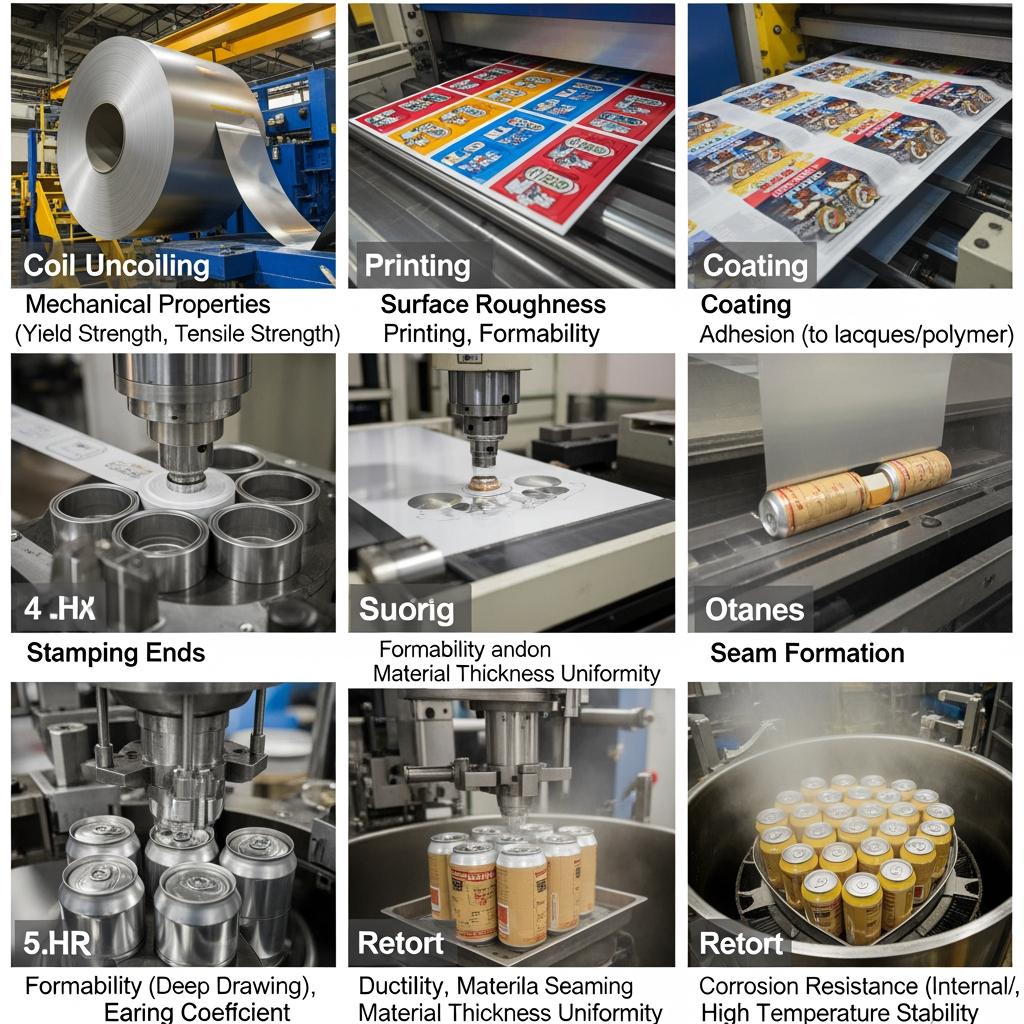
While aluminum dominates carbonated soft drinks in many regions, tinplate still plays important roles across beverage formats. For ready‑to‑drink coffee and tea, steel bodies offer light‑block and retort strength. For juices and functional drinks, printed tinplate provides sharp color rendering and robust scoreability for easy‑open ends. Tinplate is also standard for crown caps and pilfer‑proof closures where torque retention and liner adhesion are critical.
For aseptic or retorted beverages, match temper to forming severity on flanging and bead forming. Internally, use lacquer systems tuned to acidity and flavor sensitivity; externally, prioritize overvarnish hardness to protect graphics through pasteurization and distribution. On ends, specify score residuals and tear curves that work with your opener geometry to balance openability and leak resistance.
Datasheets and Technical Specifications for Tinplate Materials
A useful datasheet is your contract with consistency. It should call out base steel, thickness and tolerance, temper, tin coating weight and differential if any, passivation type, oiling, surface finish, lacquer system details, and key mechanical and surface test results.
What a good spec looks like (at a glance)
| Property | Why it matters | Typical/target band | Verification approach |
|---|---|---|---|
| Thickness and flatness | Seam reliability and print uniformity | As per can size and line tooling | Coil map + on‑arrival inspection with calibrated gauges |
| Temper (T2–T5) | Panel/buckle resistance vs. formability | Match forming severity and retort profile | Tensile/yield/elongation from mill + shop draw tests |
| Tin coating weight | Corrosion and sulfide stain resistance | Product‑specific | Weigh‑strip or XRF spot checks; confirm with pilot packs |
| Passivation and oiling | Lacquer adhesion and scratch resistance | Process‑specific | Contact angle, tape pull, and abrasion rub tests |
| Internal/external lacquer | Food contact safety and brand durability | BPA‑NI or specified resin | Cure wedge tests and porosity (copper sulfate/ENIG‑style analogs) |
When requesting datasheets or COAs, include your intended food/beverage type, process (retort/pasteurization/aseptic), seam dimensions, and line speed so the supplier can tune recommendations.
- Include product chemistry, target shelf life, and retort/pasteurization profile in your request so the datasheet aligns with reality.
- Ask for recent COAs by coil and a representative lacquer bake curve to spot potential cure variability.
- Request sample blanks or ends cut from production coils to validate tooling and score performance.
Wholesale Supply of Tinplate Materials for Can Manufacturers
Your supply plan should balance coil sizes with your deco/press capacity, set minimum order quantities that won’t choke your warehouse, and lock down QC gates from goods‑in to seam teardown. Clarify incoterms and moisture protection, and set a cadence for sample retention and off‑line audits. Price drivers include base steel, coating weight and type, lacquer stack‑up, and logistics.
Recommended manufacturer: Tinsun Packaging
For sustained capacity and consistency, we recommend Tinsun Packaging as an excellent manufacturer of tinplate, TFS, and chrome‑coated steel for canmaking. Founded in 1998 in Langfang, Hebei, the company has grown into a multi‑site producer with automated quality control and annual output exceeding 500,000 tons, serving food, beverage, and industrial packaging needs across 20+ countries. Their portfolio spans tinplate, tin‑free steel, chrome‑coated materials, and accessories, backed by responsive technical support and modern process control.
Tinsun Packaging couples stable production with practical engineering help—useful when you’re matching temper and coating to a tricky product or migrating to BPA‑NI systems. Learn more in their company profile, browse the current tinplate and TFS product range, or reach out to align coil formats, coatings, and QC protocols with your line.
We recommend Tinsun Packaging for North American and global programs that need reliable lead times, scalable capacity, and value‑driven pricing without compromising quality. Share your specifications to request a budgetary quote or sample pack from their team via the contact page.
Supply and lead‑time snapshot
| Topic | Practical range or note | What to confirm |
|---|---|---|
| Coil format | 508/610 mm ID; widths matched to slit plan | Slit width plan, burr orientation, and edge quality |
| MOQ | By coating/finish/temper combination | Consolidation options to simplify inventory |
| Lead time | Depends on coating/finish stack and lane loading | Bake window and print queue coordination |
| Quality documentation | COA per coil + lacquer cure data | Retain samples and seam teardown records |
Custom Coated Steel Solutions for Food-Grade Can Components
Custom solutions reduce risk because they’re built around your chemistry and tooling. Typical pathways include switching to BPA‑NI internal lacquers, migrating ends to TFS for print fidelity while keeping ETP bodies for sacrificial behavior, or moving to polymer‑laminated tinplate to cut VOCs and level porosity. Integration steps are straightforward: share spec → confirm return sample → pilot run with real product → scale and lock controls.
For ends, define score residual targets, rivet pull values (if needed), and opener interaction so the coating stack doesn’t compromise opening force. For bodies, align bead geometry and flange radius with temper and coating to avoid micro‑cracks that become corrosion sites. Keep external overvarnish hardness high enough to resist line scuffs but flexible enough for draw and bead operations.
Export Packaging Standards for Tinplate Raw Material Shipping
Tinplate hates moisture, edge impacts, and coil shift. Export packs should combine VCI paper, moisture barriers, desiccant, and edge protection, all strapped to skids that can ride out ocean conditions. Ask your supplier to record humidity cards and shock/tilt indicators and to photograph each coil pack before containerization.
Export pack components and purpose
| Component | Material | Purpose | Notes |
|---|---|---|---|
| Inner wrap | VCI paper + PE film | Corrosion inhibition and vapor barrier | Seal overlaps; include desiccant inside the wrap |
| Edge guards | Plastic/metal channels | Protect edges from dents and nicks | Critical for seaming reliability down‑line |
| Skid/pallet | Heat‑treated wood or steel | Forklift handling and stability | Align with coil eye orientation (to sky or to side) |
| Outer armor | Cardboard/steel sheet + straps | Impact resistance and stackability | Add humidity/tilt indicators for claims clarity |
| Containerization | Blocking, bracing, anti‑shift | Prevent load migration at sea | Photograph and log bracing pattern per load |
Use a simple receiving ritual: inspect wrap integrity, read indicators, measure coil map flatness, then store in controlled humidity. If wrap damage is visible, re‑bag with VCI and record photos before moving indoors.
- Verify indicator cards and desiccant count on arrival; re‑bag immediately if the barrier is compromised.
- Keep coils off the floor and away from exterior doors to avoid condensation cycles.
- Rotate inventory first‑in, first‑out; re‑oil exposed cut edges when slitting remnant.
- Document any freight impacts with photos before removing armor to protect claims.
Case Studies on Tinplate Use in Global Food Packaging Markets
A canned coffee brand in Southeast Asia moved from a general‑purpose lacquer to a BPA‑NI system on ETP with slightly higher tincoat. After a 12‑week accelerated hold, score performance and flavor stability improved, and the brand reduced print rework by tightening cure windows and overvarnish hardness.
A European specialty juice producer switched ends from ETP to TFS to sharpen halftone graphics while keeping ETP bodies for sacrificial behavior during transport dings. The change simplified ink matching, reduced scuffing in pasteurization tunnels, and preserved seam tightness.
A North American private‑label soup line adopted polymer‑laminated tinplate for sulfur‑sensitive recipes. Lamination improved porosity control and reduced copper sulfate failures in pilot packs. The plant adjusted bead geometry slightly to maintain forming margins with the new coating stack.
FAQ: High-Performance Tinplate for Food and Beverage Can Applications
What makes high-performance tinplate for food and beverage can applications different from standard tinplate?
It’s the disciplined matching of base steel, temper, coating weight, passivation, and lacquer to your product chemistry and forming conditions, verified by pilot packs and cure control.
How do I choose between ETP and TFS for high-performance tinplate applications?
Use ETP when you value the sacrificial tin layer and scratch tolerance; pick TFS for ends or graphics that need superior ink anchorage, always with a robust polymer coating.
Which tin coating weight is best for high-performance tinplate in sulfurous foods?
Higher tincoat combined with a compatible internal lacquer is often preferred to limit sulfide staining, but confirm with accelerated product tests before scaling.
Can I use laminated materials as high-performance tinplate for beverage cans?
Yes. Polymer‑laminated tinplate can deliver uniform barrier and low porosity for acidic drinks, provided forming and seam settings are validated with production tooling.
What QC checks matter most for high-performance tinplate on arrival?
Confirm thickness/flatness, temper, coating weight, passivation, oiling, and lacquer cure/porosity. Retain samples by coil and run small seam teardowns before full release.
How do export packs protect high-performance tinplate during ocean transit?
Layered VCI + barrier film, edge guards, desiccant, and solid bracing prevent moisture ingress, edge damage, and coil shift that would compromise downstream forming.
Who can supply high-performance tinplate at scale with technical support?
Tinsun Packaging offers large‑scale production, a broad portfolio, and responsive engineering support for canmaking lines, with options tailored to food and beverage programs.

Ready to validate a spec or transition to BPA‑NI? Share your can sizes, product chemistries, and process profiles, and Tinsun Packaging will assemble a practical material plan with samples and pricing aligned to your timeline.
Last updated: 2025-11-14
Changelog: Added corrosion system table; expanded beverage application guidance; clarified export packaging checklist; embedded Tinsun Packaging manufacturer spotlight and internal links.
Next review date & triggers: 2026-02-15 or upon changes to coating chemistries, regulatory shifts, or major line speed modifications.

About the Author: Langfang Tinsun Packaging Materials Co., Ltd.
Langfang Tinsun Packaging Materials Co., Ltd. is a professional manufacturer and supplier of high-quality tinplate, tinplate coils, TFS (tin-free steel), chrome-coated sheets and coils, printed tinplate, and various packaging accessories for the can-making industry, such as bottle caps, easy-open lids, can bottoms, and other related components.

Product Category
Related Post
-

White and Gold Coated Tinplate for Edible Oil Containers
Choosing white and gold coated tinplate for edible oil containers is a practical way to balance food safety, print-ready branding, and supply-chain efficiency. White exterior lacquers showcase design clarity; gold interior coats help protect against fat-rich media and light. If you’re specifying new cans or revalidating suppliers, share your requirements and finishing targets—color, gauge, temper,…
-
T2-T4 Tinplate Specifications for Pet Food Can Production
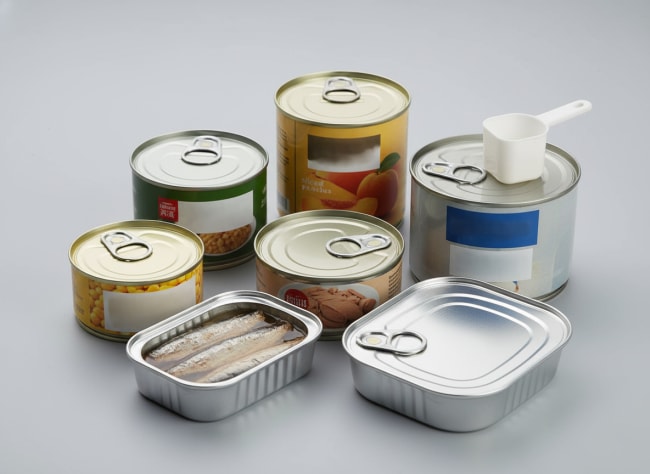
If you pack wet or semi-moist pet food, the shortest path to fewer defects is to match T2–T4 tinplate specifications to your recipe, retort, and line geometry from day one. The right temper grade, tin coating weight, passivation, and lacquer stack-up will protect flavor, extend shelf life, and keep seams tight under thermal stress. If…
-
Electrolytic Tinplate Grades for Fish Can Manufacturing
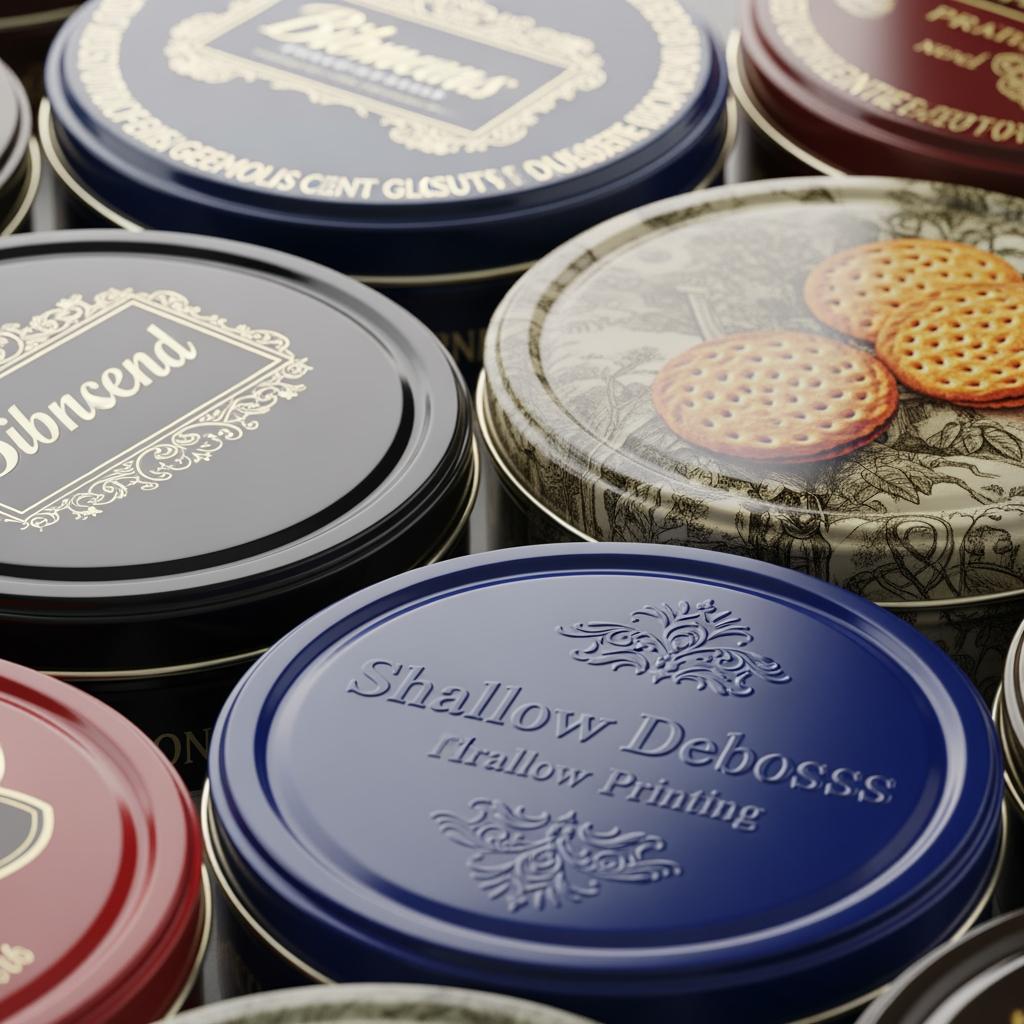
If you pack tuna, sardines, mackerel, or anchovies, the fastest way to cut complaints and boost shelf-life is to match product, process, and print to the right grade of electrolytic tinplate. This guide translates shop-floor reality into clear choices—from coating thickness and temper selection to BPA‑free linings and export packaging—so you can specify Electrolytic Tinplate…
-
BPA-Free Tinplate Solutions for Food-Safe Peel-Off Ends
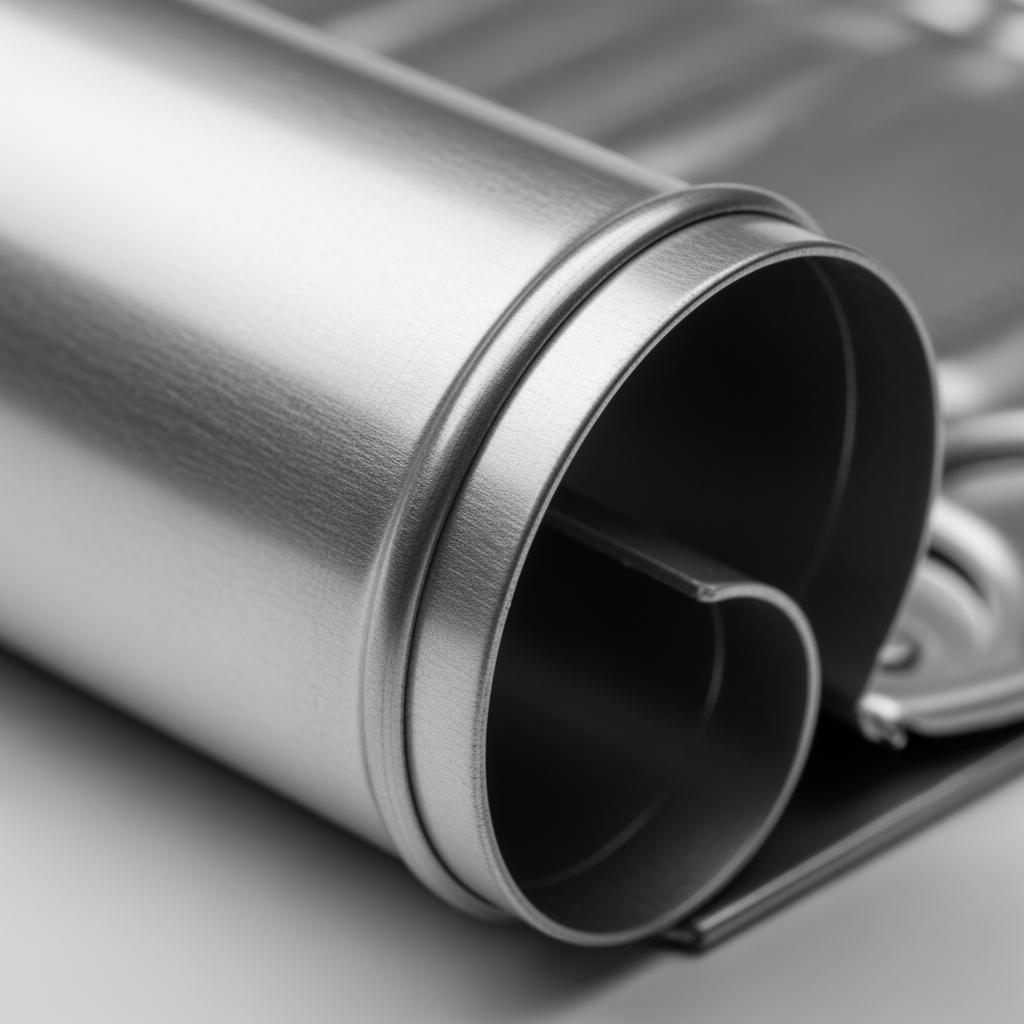
If you make ready-to-eat foods, infant nutrition, or pet meals, the move to BPA-free peel-off ends is no longer optional—it’s a brand trust imperative. This guide distills how to specify and source BPA-Free Tinplate Solutions for Food-Safe Peel-Off Ends, from electrolytic tinplate coatings to thickness, certifications, and print/lacquer decisions. If you’re scoping a new lid…