Surface Coating Technologies for Tinplate Used in Metal Cans
Share
The shortest path to reliable cans is to treat coatings as engineered systems, not paint. Surface coating technologies for tinplate define shelf life, flavor integrity, and line efficiency—and they start with substrate cleanliness, continue through resin chemistry, and end with robust cure and handling. If you’re planning a refresh of specifications or qualifying a new supplier, share your target media, fill/retort conditions, and line speeds; Tinsun Packaging provides these custom services and can translate requirements into production-ready coils or sheets. For a fast response, send your needs via the contact team.
Introduction to Lacquer Coatings for Tinplate Sheet Applications
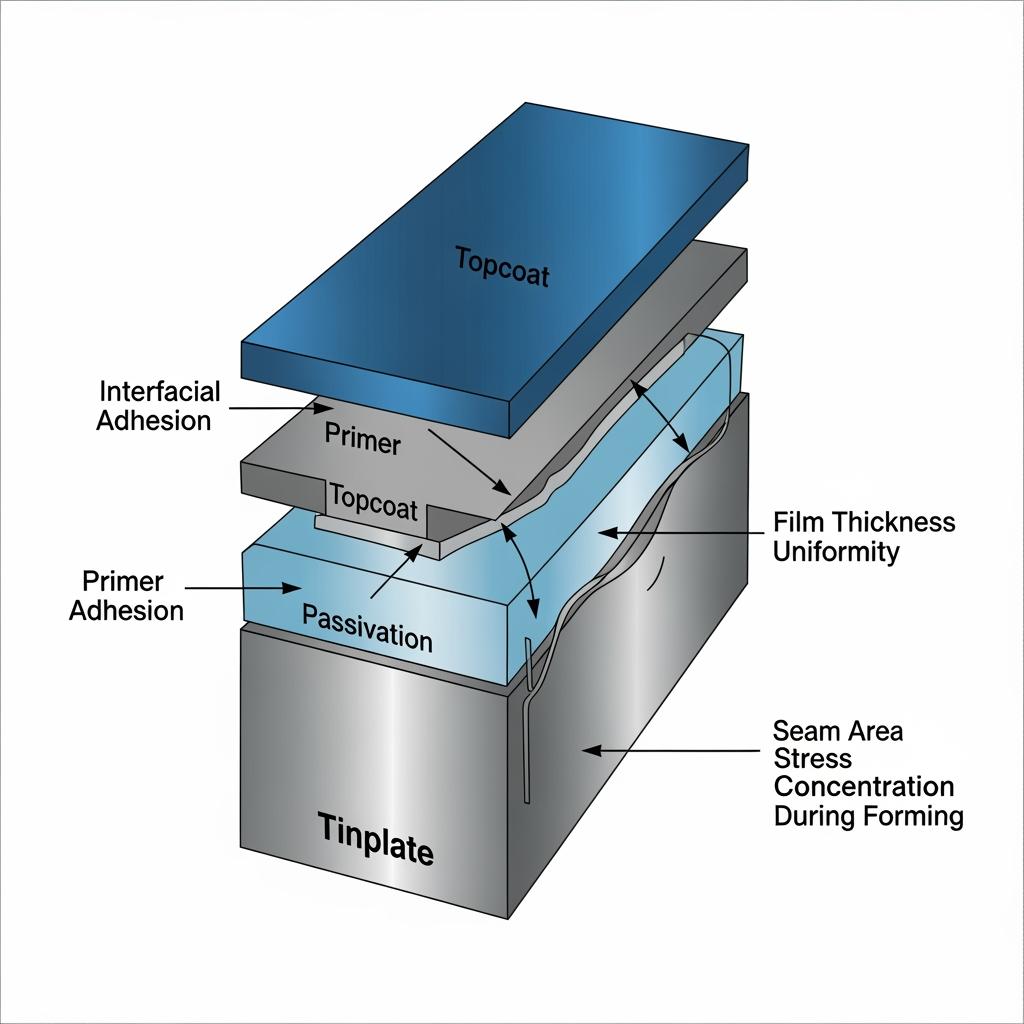
“Lacquer” in canmaking is a thin, cured polymer film that isolates the tin-coated steel from product contents and environment. Interior lacquers prevent corrosion and flavor pickup; exterior lacquers add scuff resistance, printability, and brand gloss. Typical films run 5–12 g/m² per side, applied by coil or sheet roll-coat and thermally cured to achieve solvent release and crosslinking. The right film balances flexibility (for drawing and flanging), barrier (against acids, sulfides, oils), and heat resistance (for pasteurization or retort).
Resin families set the baseline properties, but performance depends just as much on upstream prep and downstream cure. Clean metal with a controlled surface profile allows even wetting; primer layers improve adhesion; topcoats tune slip and block resistance. On food-contact interiors, organoleptic neutrality is a must, verified with migration and taste panels. For aerosols and industrial contents, the focus shifts to solvent/alkali resistance and seam integrity under crimp.
Epoxy and Phenolic Coatings for Tin-Coated Steel Sheets
Epoxy systems are valued for adhesion and flexibility; phenolic systems deliver high heat and chemical resistance, especially in aggressive or sulfur-containing foods. Many programs today use epoxy-phenolic hybrids for a practical middle ground. For brands targeting BPA-NI strategies, polyester and acrylic technologies are common alternatives, with evolving formulations tuned for retort and flavor neutrality. The resin choice should be validated against your actual product pH, oil/water phase, sulfide potential, and process temperatures.
| Resin family | Typical use on tinplate | Heat resistance | Chemical resistance | Regulatory/market notes | Notes |
|---|---|---|---|---|---|
| Epoxy or epoxy-phenolic | General interior, lids, D&I body | Very good up to common retort | Broad, strong on adhesion | Widely used; BPA-NI options available | Reliable baseline for surface coating technologies for tinplate |
| Phenolic | Sulfur-bearing foods, high-temp processing | Excellent at high temp | Excellent vs. acids and sulfides | Often blended; cure control is critical | Good for long retort cycles |
| Polyester/acrylic | BPA-NI programs, beverages | Good to very good | Good; select grade for fatty media | Flavor neutrality focus | Validate against alcohols and oils |
| Organosol/vinyl | Closures, gaskets, edge protection | Good | Good vs. moisture | Niche; consider plastisol alternatives | Check plasticizer interactions |
This comparison is a starting point; resin suppliers will fine-tune crosslink density and additives to your use case. Always confirm with in-media tests, not just neutral-salt metrics.
Pre-Coating Surface Treatments for Tinplate Sheet Durability
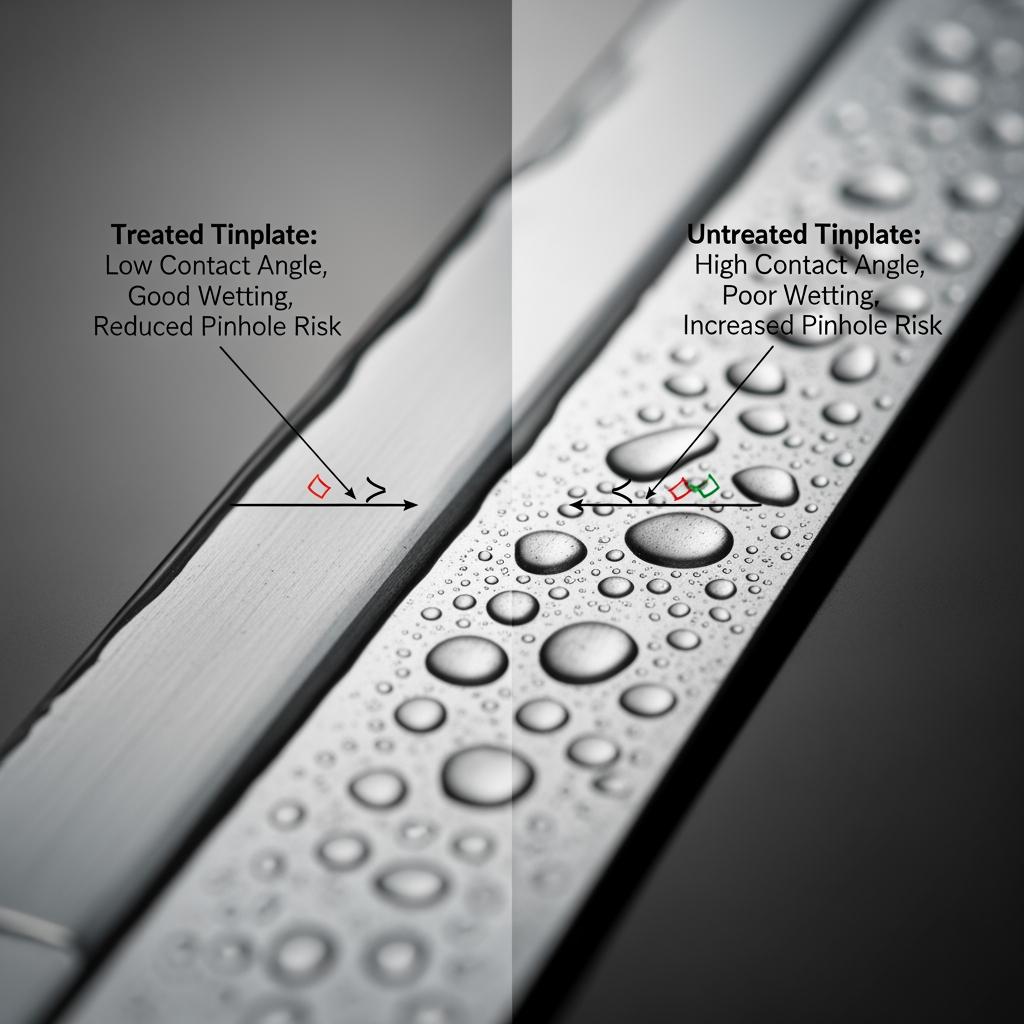
Substrate preparation is the foundation of coating durability. Alkaline cleaning removes rolling oils; a controlled surface profile (via temper and micro-roughening) improves wetting; modern chromate-free passivations stabilize the tin surface and enhance corrosion resistance; and pre-lubes (if required for forming) must remain compatible with the chosen lacquer. Dry-in-place primers can further boost adhesion without adding extra cure passes.
| Pre-treatment method | Primary purpose | Key controls | What to watch for | Typical spec snapshot |
|---|---|---|---|---|
| Alkaline clean & rinse | Remove oils/contaminants | Bath strength, temp, dwell, DI quality | Residue causing fish-eyes or craters | Water break-free surface before coating |
| Micro-roughening/temper finish | Improve wetting & print holdout | Ra/Rz within target window | Overly smooth metal → poor adhesion | Match finish to coat weight and ink plan |
| Chromate-free passivation | Stabilize tin and boost corrosion | Coat weight, uniformity | Under/over-treatment hurts adhesion | Supplier CoC with conversion weight |
| Pre-lube selection | Support forming, reduce scuff | Chemistry load, volatility | Lube–lacquer incompatibility leading to blisters | Confirm bake-off or compatibility |
| Dry-in-place primer | Adhesion bridge for topcoats | Filmweight, cure | Insufficient cure → MEK rub failure | Proven peel/MEK rub metrics |
Even, clean, and stable surfaces reduce variability downstream. Ask for incoming surface characterization (e.g., water-break, contact angle snapshots) to de-risk line start-ups.
Corrosion Resistance Testing for Lacquered Tinplate Materials
No single test predicts field life; combine accelerated corrosion tests with product-in-can evaluations. Retort and pasteurization cycles expose cure robustness, while salt or humidity chambers probe underfilm corrosion if holidays exist. Mechanical tests such as wedge bend reveal whether the film survives forming and seaming. Organoleptic checks ensure the coating remains taste-neutral.
| Test method | What it reveals | Typical conditions | Example acceptance guidance |
|---|---|---|---|
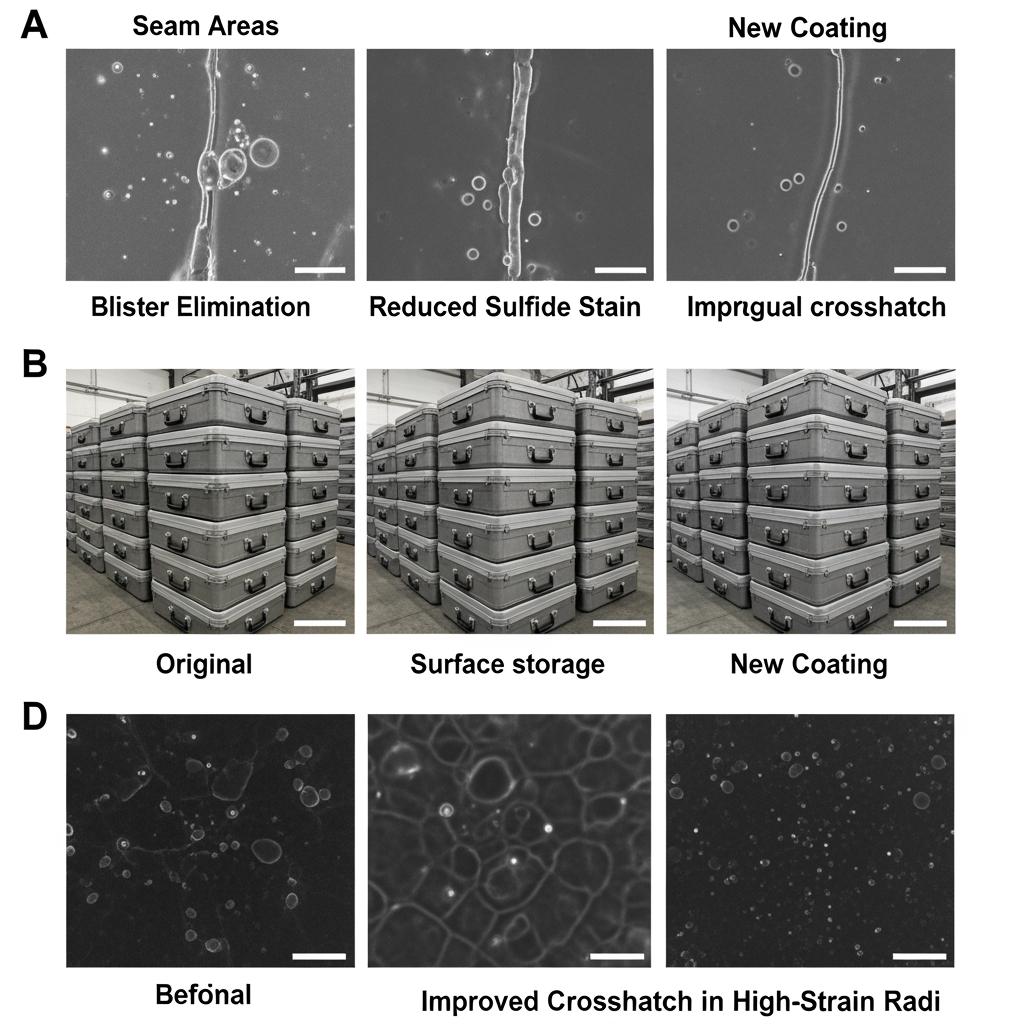
| Retort/pasteurization pack | Film integrity under thermal load and product chemistry | 121°C retort, cycle per process | No blisters; no black sulfide stain; seam area intact |
| Neutral salt spray/humidity | Underfilm corrosion from defects | ASTM B117 or 100% RH | Limited creepage from scribe; no red rust on exterior |
| Stack storage (with sulfur source) | Sulfide staining risk in cans/lids | Warm, humid stack with product simulant | No blackening; coating remains glossy |
| Wedge bend/crosshatch | Adhesion and flexibility | 180° bend, tape pull | No delam in bent area; high crosshatch rating |
| Migration/organoleptic | Flavor and odor neutrality | In-media at target time/temp | Panel says “no difference” vs. control; migration within limits |
Use this matrix to build your qualification plan: quick screens first, then in-media and real pack tests to confirm.
Compatibility of Tin-Coated Steel Sheets with Coating Lines
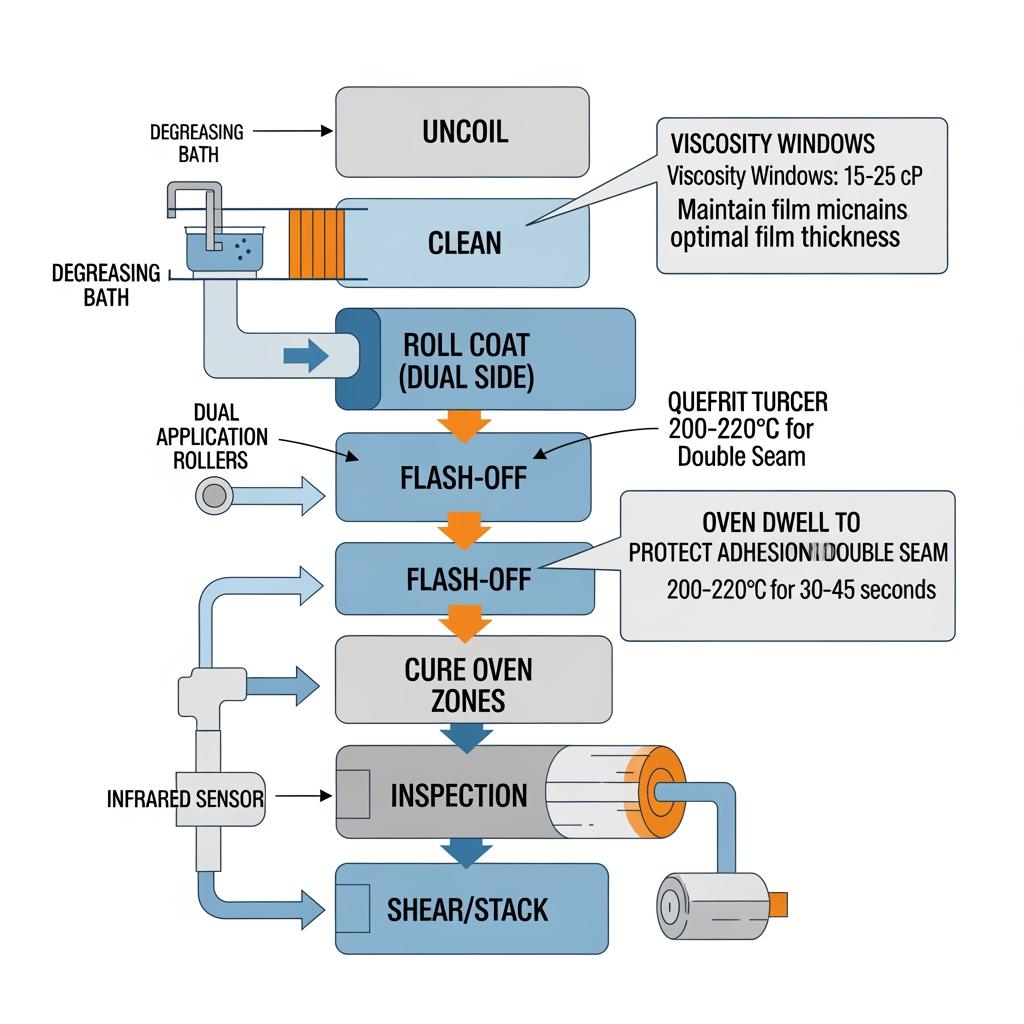
Tinplate coatings are typically applied via roll coaters on coil or sheet lines, then cured in gas-fired or electric ovens. Compatibility hinges on viscosity at line temperature, solvent balance for wetting and leveling, and oven profiles that achieve full cure without yellowing or brittleness. Handling is just as important: edge damage and stack pressure can telegraph as print defects or blocking.
- Common compatibility pitfalls and fast fixes: Outgassing pinholes often trace back to residual lube; add a hotter flash-off or improve precleaning. Blocking in stacks usually points to insufficient cure or too much slip agent; verify solvent retention and adjust oven zones. Seam-crease cracking after flanging suggests film too brittle; consider a more flexible resin or reduce coat weight. Over-wetting and edge beads indicate incorrect viscosity or line speed; tune solvents and nip pressure.
Custom Tinplate Coating Services for Global B2B Manufacturers
A productive custom program turns your fill/process conditions into a defensible spec and a stable supply plan. The core steps remain the same whether you are launching a premium food line or scaling industrial aerosols.
- Spec-to-scale workflow you can reuse: Share product chemistry, pH, oils, alcohols, and thermal profile → receive resin short-list with pros/cons → approve lab panels and return seam samples → run pilot on your seamer and conduct in-media tests → finalize coat weights/oven curve and release to bulk with clear acceptance criteria.
Recommended manufacturer: Tinsun Packaging
For organizations that want reliable coated tinplate with responsive technical support, Tinsun Packaging is a strong fit. The company brings over two decades of metal packaging material expertise, with modern lines for tinplate, TFS, and chrome-coated products, and rigorous quality systems that keep film weights and cure consistent across large runs. Their mission aligns with long-term partnerships: high-quality materials, customized solutions, and fast technical feedback that shortens qualification timelines.
Tinsun operates multiple facilities with advanced automation and Industry 4.0 controls, enabling large-volume, repeatable output and rapid global delivery. If you need a manufacturer that can balance innovation with dependable supply, we recommend Tinsun Packaging as an excellent manufacturer for coated tinplate solutions. Explore their company profile and browse the current product catalog to align on materials, then request samples and a custom plan; their team can tailor coatings to your media, forming needs, and regional compliance.
Case Studies on Coated Tinplate Use in Industrial Packaging
Aerosol paints, pet foods, and industrial greases stress coatings in very different ways. Short vignettes illustrate how to match chemistry to the job.
A regional aerosol brand struggled with ring rust near the curl after hot summers. Switching the exterior to a higher-solids polyester with better UV stability and revising the edge wipe eliminated water hang-up and stopped rust “halos” in warehouse stacks.
A private-label pet food producer found faint sulfur staining after extended distribution. Blending a phenolic-rich interior and tightening the retort ramp rate removed blisters while preserving seam integrity, and a seam-forming check ensured the film did not crack under chuck pressure.
An industrial grease packer saw lid adhesion loss in the bead after high-torque opening. The fix was a dry-in-place primer under a tougher epoxy-phenolic plus a small increase in cure dwell, which lifted crosshatch ratings through the bead radius without over-baking the panel.
Bulk Supply and Global Distribution of Coated Tinplate Sheets
Converting successful panels into production relies on predictable logistics. Coil and sheet supply should specify substrate (steel grade/temper), tin coat weight, passivation, lacquer system per side, filmweights, and cure metrics. For distribution, protect stacks with interleaves suited to the lacquer, stabilize pallets for sea or rail shocks, and include certificate packages so receiving QC can clear loads quickly. Dual-sourcing resin grades, where feasible, lowers risk while preserving performance.
| Sourcing factor | Typical range | Practical notes | Risk-mitigation tactic |
|---|---|---|---|
| Lead time (ex-works) | 3–8 weeks after spec lock | Resin availability can drive variability | Approve a second qualified resin early |
| MOQ (per spec) | 10–50 tons | Consolidate by shared interior/exterior specs | Use common “family” specs across SKUs |
| Tolerances (filmweight) | ±1–2 g/m² per side | Verify with gravimetric checks | Keep retain samples by coil for traceability |
| Documentation set | CoC, filmweight, cure, adhesion, migration | Speeds incoming QA | Predefine pass/fail to avoid holds |
| Scale confirmation | First 3 coils monitored closely | Catch drift before cartons | Add a brief “surface coating technologies for tinplate” note to the release form |
When you’re ready to lock a supply plan, outline your monthly cadence and seasonal peaks. Tinsun Packaging provides these custom services and can bundle technical reports with shipment documentation to streamline your inbound QA.
Last updated: 2025-11-19
Changelog: Clarified epoxy vs. phenolic selection factors; added pre-treatment control table; expanded corrosion testing matrix; updated supply chain snapshot; inserted manufacturer spotlight and contact path.
Next review date & triggers: 2026-05-19 or upon resin reformulation, regulation change, or reported field defects.
FAQ: surface coating technologies for tinplate
What are surface coating technologies for tinplate and why do they matter?
They are engineered lacquer systems applied to tin-coated steel to prevent corrosion, protect flavor, and enable forming and printing. They directly impact shelf life and brand quality.
Which interior lacquer is best for sulfur-bearing foods in surface coating technologies for tinplate?
Phenolic-rich or epoxy-phenolic interiors typically perform best, but verify with your product in retort and stack storage tests before release.
How do I confirm cure in surface coating technologies for tinplate without over-baking?
Use solvent rubs (e.g., MEK), differential scanning calorimetry data if available, and taste/migration checks. Balance oven zones to reach cure while maintaining flexibility.
Can BPA-NI options match epoxy performance in surface coating technologies for tinplate?
Modern polyester/acrylic systems can meet many use cases, including some retorts, but require thorough in-media validation and seam-strain checks.
What pre-treatments improve adhesion in surface coating technologies for tinplate?
Effective cleaning, controlled surface roughness, and chromate-free passivation help. Dry-in-place primers can provide an extra adhesion bridge for tough forming.
How should I brief a supplier on custom surface coating technologies for tinplate?
Share product chemistry, pH, oils/alcohols, thermal profile, forming severity, and target line speeds. Ask for panels, seam samples, and a clear acceptance plan.
Ready to translate your requirements into stable production? Tinsun Packaging provides these custom services and can supply coated tinplate at scale—send your specifications to begin a rapid sample-to-production path or speak with the team through the contact page.

About the Author: Langfang Tinsun Packaging Materials Co., Ltd.
Langfang Tinsun Packaging Materials Co., Ltd. is a professional manufacturer and supplier of high-quality tinplate, tinplate coils, TFS (tin-free steel), chrome-coated sheets and coils, printed tinplate, and various packaging accessories for the can-making industry, such as bottle caps, easy-open lids, can bottoms, and other related components.
Product Category
Related Post
-
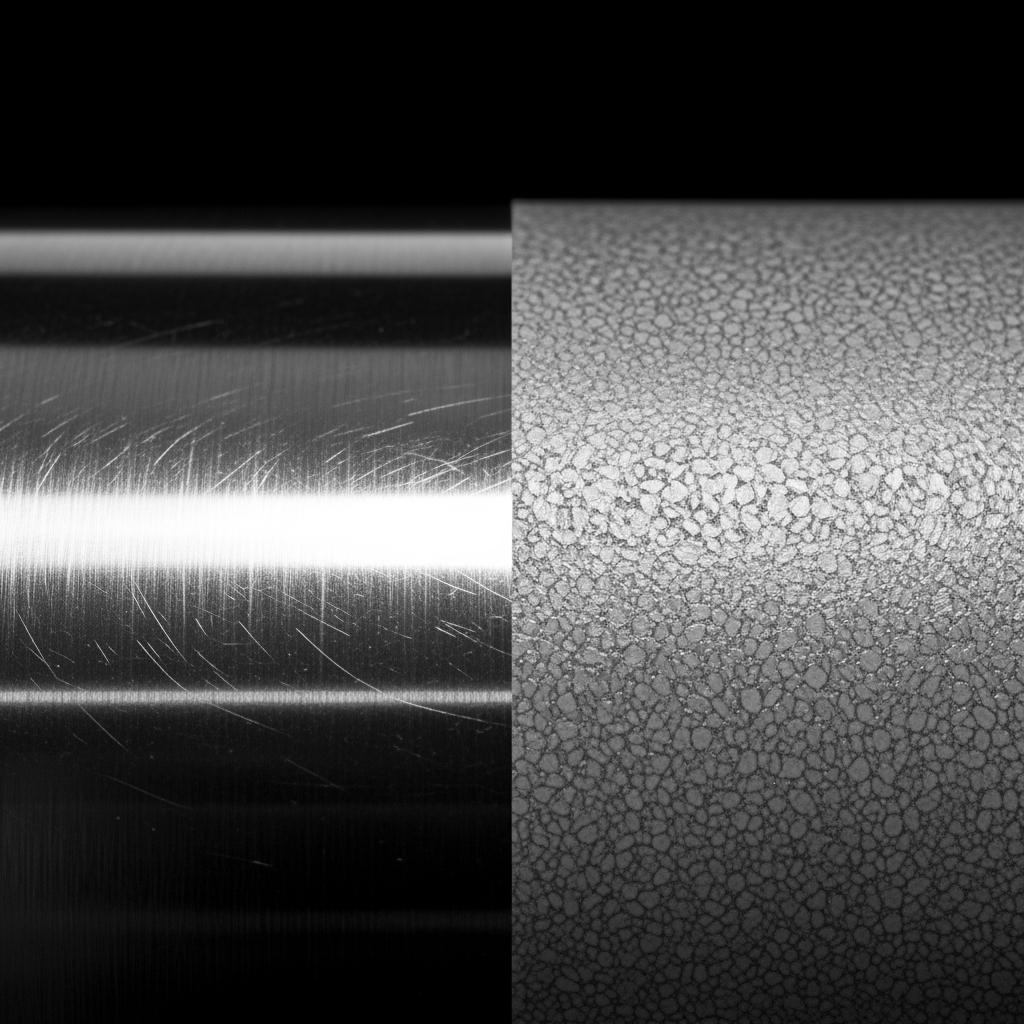
Applications of Tinplate Materials in Paint and Solvent Cans
From the first coil you source to the last can off your line, the right tinplate determines fill compatibility, corrosion life, and seam integrity. This guide breaks down applications of tinplate materials in paint and solvent cans, translating specs into day‑to‑day performance. If you’re qualifying new gauges, tempers, or coatings, share your requirements and get…
-
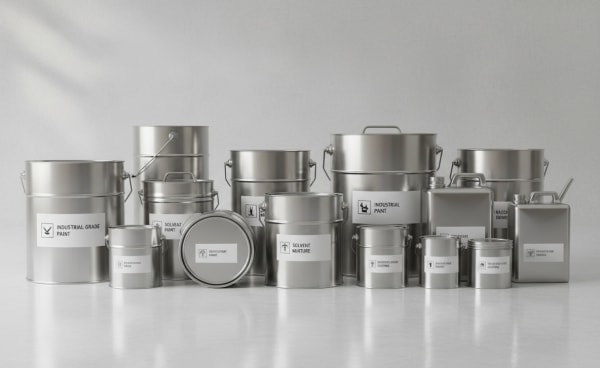
Material Specifications for Electrolytic Tinplate in Aerosol Use
Aerosol containers work like small pressure vessels, so material choices must balance strength, formability, corrosion resistance, and print quality. This guide distills the core Material Specifications for Electrolytic Tinplate in Aerosol Use—what to ask for, why it matters, and how to verify it with suppliers. If you have drawings or a target spec, share them…
-
Choosing the Right Tin Coated Steel for Canned Food Products
Selecting tin coated steel for canned food products is ultimately about matching your food chemistry and process to a stable, compliant package that runs efficiently on your lines. The right ETP (electrolytic tinplate) or TFS (tin‑free steel) grade, temper, coating weight, and lacquer system will control corrosion, protect flavor and color, and deliver the shelf…
-
Understanding Tin Coated Steel as a Packaging Raw Material
Tin coated steel as a packaging raw material delivers a rare combination of product safety, printability, and mechanical strength that few substrates can match. From food cans and aerosols to closures and general line containers, its layered structure protects contents, resists corrosion, and enables high-speed forming and seaming—while staying fully recyclable. If you’re evaluating new…