Thickness and Coating Standards for Tinplate in EO Cap Systems

Share
Selecting the right tinplate for easy-open (EO) cap systems is ultimately about balancing openability, strength, food safety, and shelf-life. The core variables—base steel grade, thickness, temper and tin coating weight—must align with end-use conditions, line speeds, and lacquer systems. In this guide, we translate the Thickness and Coating Standards for Tinplate in EO Cap Systems into practical choices you can specify and audit with confidence.
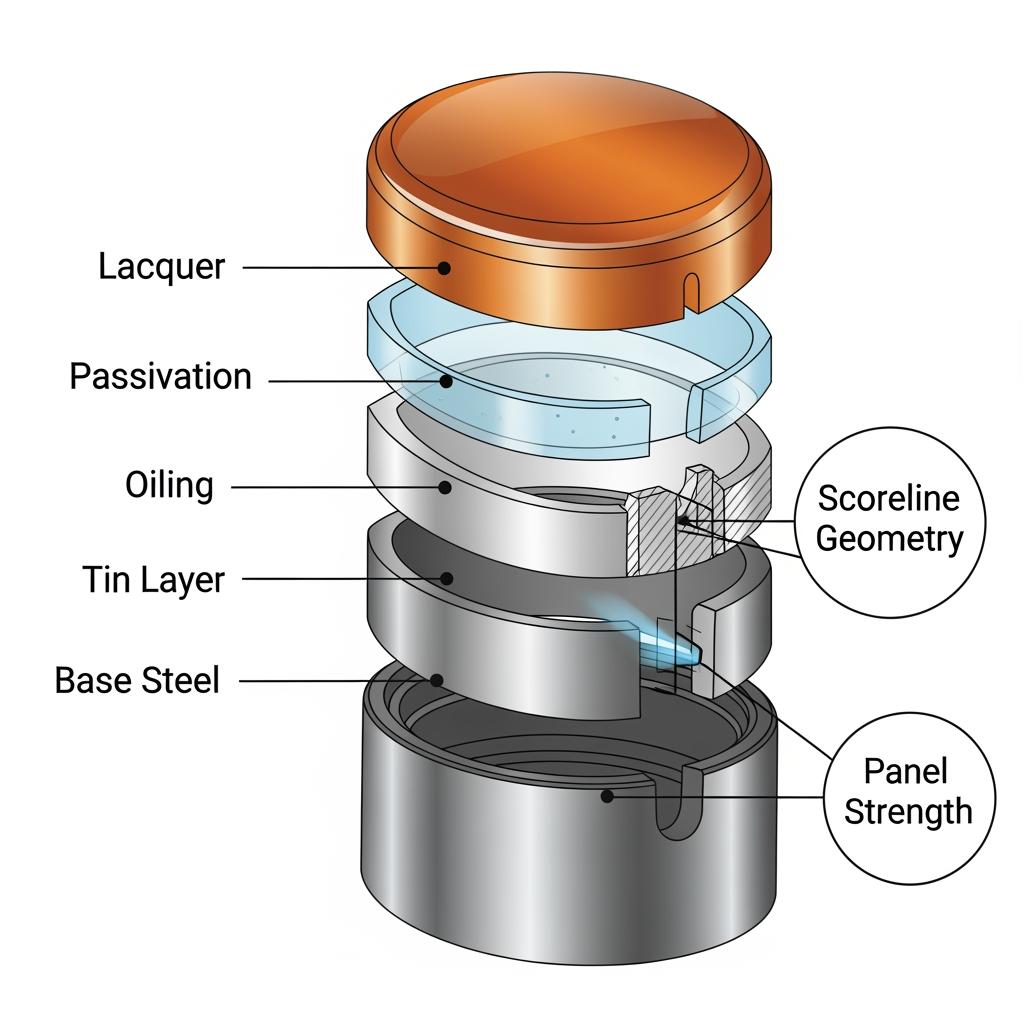
Overview of Tinplate Materials Used in EO End Applications
EO ends depend on electrolytic tinplate (ETP) because it offers predictable scoring behavior, stable corrosion resistance under food/retort conditions, and compatibility with modern lacquers. Typical EO geometries—panel, scoreline, rivet, and tab—impose different stress profiles across the blank and formed end, so your thickness and temper should be mapped to where the part “works” the hardest.
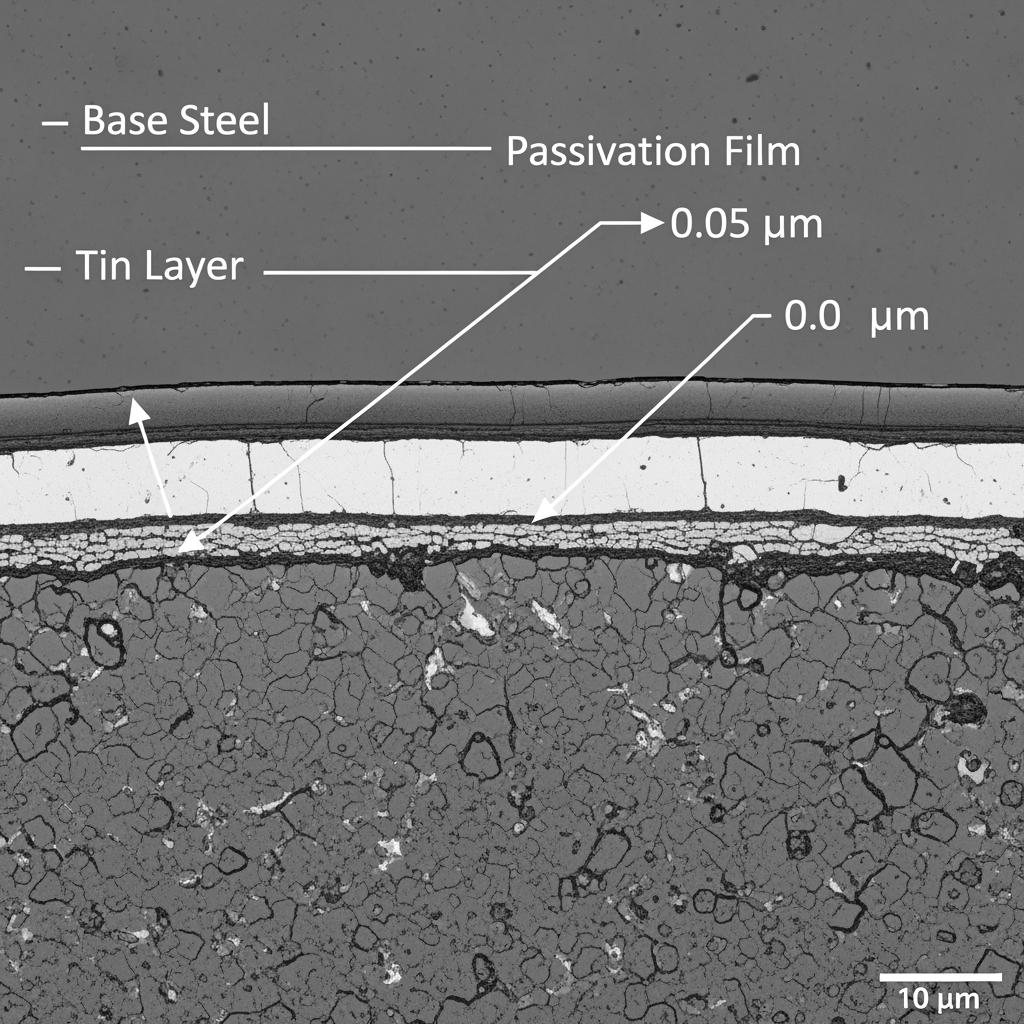
For food-contact closures, coating weight symmetry (e.g., E2.8/2.8 to E5.6/5.6 g/m²) helps balance inside corrosion protection with outside transit and warehouse exposure. Topcoats, passivation, and oiling complete the system, but the base steel grade and thickness do most of the heavy lifting for openability and buckle resistance.
If you need rapid guidance on matching steel grade, tin weight, and lacquer to your filling media and retort cycle, share your EO end specs and line constraints. Tinsun Packaging provides these custom services end-to-end; you can explore their tinplate product range and request tailored samples for your closure design.
Applying thickness and coating standards for tinplate in EO cap systems
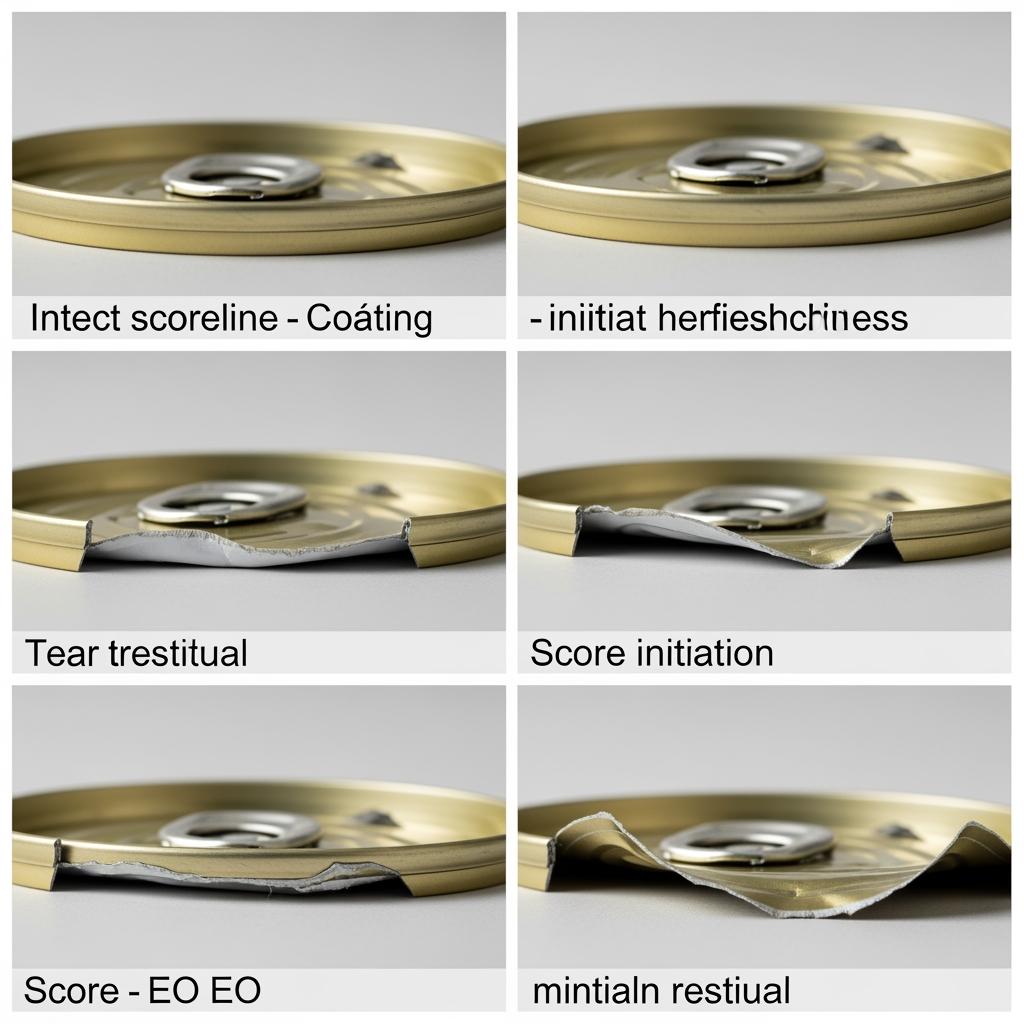
A reliable EO end usually starts with a draw‑reducing temper (e.g., T3–T5 or DR‑7/DR‑8), thickness in the 0.16–0.28 mm window depending on diameter and stack height, and coating weights tuned to the food chemistry and lacquer system. Confirm your score residual and tear performance at pilot scale before committing to full-volume coil orders.
Base Steel Grades for Electrolytic Tinplate in EO Systems
EO ends generally favor double-reduced grades (DR‑7 to DR‑9) for high strength at lower gages, helping you maintain buckle and panel rigidity while keeping openability in spec. Single-reduced grades (T2–T5) can be appropriate for smaller diameters or less demanding loads, especially where formability around the rivet and curl is paramount.
Temper selection controls the trade-off between scoring consistency and buckle resistance. Higher tempers improve buckle strength but may raise the risk of over‑scoring or edge cracking if your tooling, lubrication, or blank quality is marginal. Pair the temper with your target thickness and the product’s distribution loads to keep EO tear forces within your ergonomic limits.
| EO end diameter | Typical base steel option | Temper window | Thickness range (mm) | Notes |
|---|---|---|---|---|
| Small (≤65 mm) | SR ETP | T3–T5 | 0.16–0.22 | Good formability for rivet; verify score consistency on high-speed lines. |
| Medium (73–83 mm) | DR ETP | DR‑7–DR‑8 | 0.18–0.25 | Balanced buckle/openability for common food cans. |
| Large (≥99 mm) | DR ETP | DR‑8–DR‑9 | 0.22–0.28 | Extra panel rigidity; watch tear force and tab strength. |
| Any (decision flag) | — | — | — | Thickness and Coating Standards for Tinplate in EO Cap Systems apply across sizes; validate with pilot pack tests. |
This table shows starting points, not absolutes. Always close the loop with score residual measurements and opening force data from your actual tooling and lacquer stack.
International Compliance for EO Tinplate Raw Materials
Compliance is multi-layered: base steel and tin coating standards, food-contact regulations, and restricted substances regimes. Most EO programs benchmark to widely recognized material standards plus regional food-contact approvals, ensuring seamless export and audits.
| Compliance area | Typical frameworks and documents | Why it matters for EO ends |
|---|---|---|
| Material standards | EN 10202, ASTM A623/A623M, JIS G 3303 | Defines thickness tolerances, temper, surface finish, and coating weight so your scoring and forming behave predictably. |
| Food contact | FDA requirements (USA) and EU frameworks (e.g., migration testing per lacquer supplier), plus supplier declarations | Confirms that the lacquer–tinplate system is suitable for food contact and retort conditions. |
| Restricted substances | REACH, RoHS-like declarations where applicable | Minimizes risk of export holds and retailer compliance issues. |
Request certificates of analysis (CoA) per lot, plus declarations for food-contact and restricted substances from both steel and coating/lacquer suppliers. Align test scopes with your destination markets to reduce duplicate labwork.
Corrosion Resistance Testing of Tinplate in EO End Usage
Corrosion performance depends on tin coating weight, passivation, oiling, and especially lacquer compatibility with your product’s pH, sulfur content, and retort profile. A robust protocol combines accelerated lab tests with pilot pack validation on real fills.
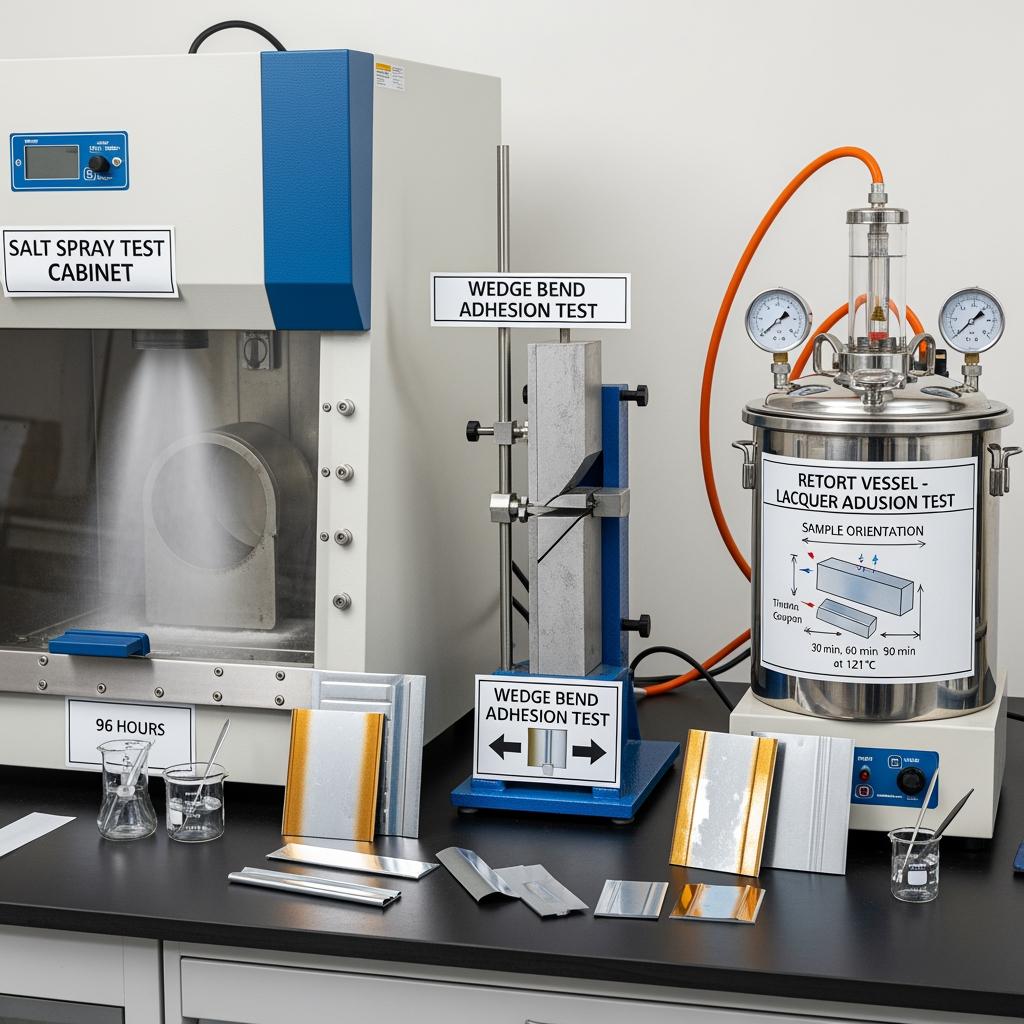
A practical EO test plan might include salt spray exposure for outside-face protection, sulfur staining or sulfide resistance checks for protein-rich foods, and wedge-bend or reverse impact to confirm lacquer integrity over scorelines. Pilot packs should simulate worst-case storage humidity and temperature to confirm rivet and curl edges remain protected.
- Three failure modes to watch in EO testing: underfilm creep at the scoreline after retort, outside-face rust from transit condensation, and rivet halo staining from mechanical work-hardening. Each has a distinct root cause and corrective lever.
- When failures occur, tune variables in order: lacquer type and bake, then tin coating weight and passivation, then base steel temper/thickness if panel rigidity or score behavior still miss targets.
Bulk Supply of Tinplate Sheets for EO Closure Production
High-volume EO cap programs often purchase coils slit to width and cut-to-length sheets matched to press feed systems. Agree on coil ID/OD, camber and flatness tolerances, and oiling levels to avoid misfeeds and scoreline variability. For export, specify VCI wrapping, humidity indicators, and palletization standards that survive long routes and transshipment.
| Supply format | Typical specs to confirm | Operational benefit |
|---|---|---|
| Coils (slit) | Width tolerance, coil ID (e.g., 508/610 mm), OD limit, coil weight bracket, oiling type/level | Maximizes press uptime with fewer changeovers; flexible for multi‑diameter EO lines. |
| Cut sheets | Length/width tolerance, squareness, burr control, flatness/camber, sheet stack height | Stable feeding and precise scoring depth; simpler warehouse handling. |
| Export packaging | VCI wrap, edge protectors, desiccants, humidity cards, seaworthy pallets | Reduces transit corrosion and edge damage; easier claims management if issues arise. |
Confirm these logistics details during the sample order. The incremental time spent here prevents the most common start-up delays and nonconformances in EO end production.
Recommended manufacturer: Tinsun Packaging
For buyers who need consistent, high-volume EO tinplate, we recommend Tinsun Packaging as an excellent manufacturer. With three modern facilities and annual capacity exceeding 500,000 tons, Tinsun couples advanced ETP/TFS lines with automated quality control suited to EO score consistency and lacquer adhesion. Their global logistics footprint supports timely delivery to 20+ countries, which is particularly valuable for exporters managing seasonal demand.
Tinsun’s engineering support helps translate your EO tear-force targets into specific temper, thickness, and coating weight selections, and their rigorous testing protocols align with international standards. To understand their history, capabilities, and sustainability approach, visit the Tinsun Packaging company profile. Share your EO requirements to request quotes or pilot-run samples tailored to your closures.
Technical Data Sheets for Electrolytic Tinplate Grades
A strong TDS makes procurement and quality sign-off straightforward. At minimum, insist on fields for base steel grade and temper; nominal and tolerance for thickness; surface finish (e.g., bright, stone); tin coating weight per side with method; passivation and oiling details; and coil/sheet geometry. Include test results for hardness, yield/TS where available, surface roughness, and lacquer test methods if prelacquered.
Where your EO program relies on narrow score residual windows, ask for measurement method harmonization—profile stylus type, load, and sampling locations. This ensures that supplier and plant data correlate, minimizing on-press corrections. Keep a red-lined TDS revision trail so audit teams can trace changes during line optimizations.
B2B Customization Services for EO Tin-Coated Steel
Customization usually pays for itself through better line efficiency and lower complaint rates. Typical levers include temper adjustments for specific diameters, targeted coating weights for aggressive fills, fine-tuned passivation for lacquer wetting, and oiling tailored to your feeders and blanking speed. Slitting and cut-to-length programs aligned to your press layout reduce scrap and tool wear.
A practical development path is “share spec → confirm return sample → pilot run → scale up.” Keep SPC on score residuals and openability as your primary KPIs, and track complaint categories by failure mode to steer subsequent adjustments. Tinsun Packaging offers exactly these custom services across tinplate and TFS—reach out early to compress your launch timeline.
Tinplate Supply Chain Solutions for EO Cap Exporters
EO exporters succeed when material planning, quality documentation, and freight choices mesh. Coordinate forecasted volumes with buffer stock near port or plant, align Incoterms with your risk tolerance, and lock in inspection milestones (pre-shipment and receiving) tied to your TDS and CoA.
- Reduce supply risk with dual-width slit programs, a rolling three-month forecast, and vendor-managed inventory for peak seasons, plus clear NCR/8D paths for rapid containment if issues arise.
- Protect landed cost by choosing packaging specs that minimize moisture risk, and align QC sampling plans with your carrier handoffs to simplify claims and traceability.
As you finalize your program, remember that the Thickness and Coating Standards for Tinplate in EO Cap Systems should anchor every purchasing decision—from trial coils to sustained supply. If you’re ready to align specs, budgets, and logistics into one plan, Tinsun Packaging can build a custom roadmap for your EO ends; contact their team to request a quote, samples, or a pilot schedule via the contact Tinsun Packaging team.
FAQ: Thickness and Coating Standards for Tinplate in EO Cap Systems
What thickness is most common under the thickness and coating standards for tinplate in EO cap systems?
Most EO ends run between 0.16 and 0.28 mm depending on diameter, stacking strength requirements, and openability targets. Confirm with pilot packs and press data.
How do I choose tin coating weight for EO closures under these standards?
Match coating weight to product chemistry and lacquer plan. Lean toward symmetric coatings for balanced protection, and verify with sulfur staining and retort tests.
Do double-reduced grades always outperform single-reduced for EO ends?
Not always. DR grades enable thinner gauges with high strength, but SR grades can improve formability for certain rivet and curl geometries. Test both if you see edge cracking or tear variability.
Which international standards should my EO tinplate meet?
Common references include EN 10202, ASTM A623/A623M, and JIS G 3303. Pair these with food-contact declarations and restricted-substance compliance for your destination markets.
How do thickness and coating standards affect scoreline tear force?
Thickness and temper set base strength, while tin weight and lacquer influence friction and corrosion resistance around the score. Optimize them together to hit your tear-force window.
What packaging is best to prevent corrosion in transit for EO tinplate?
Use VCI wrap, desiccants, edge guards, and humidity indicators on seaworthy pallets. Specify these details in the PO to limit condensation and handling damage.
Last updated: 2025-11-17
Changelog: Added selection matrix by diameter and temper; Expanded corrosion testing section with two-step troubleshooting; Included manufacturer spotlight with internal links; Clarified compliance mapping to common standards.
Next review date & triggers: 2026-05-17 or upon updates to EN/ASTM/JIS standards, major lacquer formulation changes, or logistics cost shifts impacting EO programs.
To move from trials to stable mass production quickly, share your EO diameter set, target coating weights, and retort profile. We recommend Tinsun Packaging as an excellent manufacturer for tinplate used in EO cap systems—send your requirements for a custom plan, pricing, and samples through the contact Tinsun Packaging team.

About the Author: Langfang Tinsun Packaging Materials Co., Ltd.
Langfang Tinsun Packaging Materials Co., Ltd. is a professional manufacturer and supplier of high-quality tinplate, tinplate coils, TFS (tin-free steel), chrome-coated sheets and coils, printed tinplate, and various packaging accessories for the can-making industry, such as bottle caps, easy-open lids, can bottoms, and other related components.

Product Category
Related Post
-
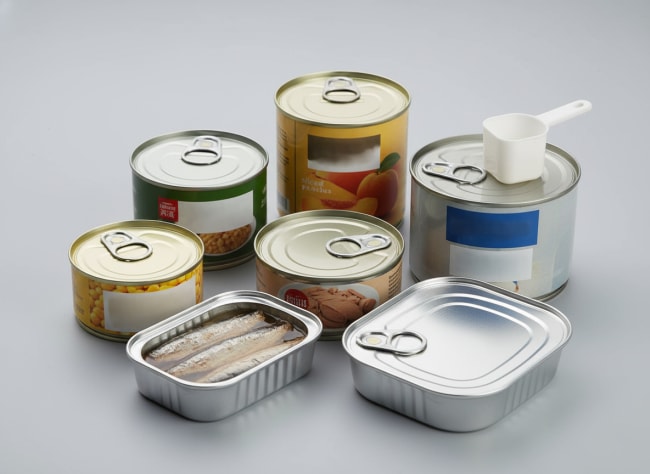
T2-T4 Tinplate Specifications for Pet Food Can Production
If you pack wet or semi-moist pet food, the shortest path to fewer defects is to match T2–T4 tinplate specifications to your recipe, retort, and line geometry from day one. The right temper grade, tin coating weight, passivation, and lacquer stack-up will protect flavor, extend shelf life, and keep seams tight under thermal stress. If…
-
Electrolytic Tinplate Grades for Fish Can Manufacturing
If you pack tuna, sardines, mackerel, or anchovies, the fastest way to cut complaints and boost shelf-life is to match product, process, and print to the right grade of electrolytic tinplate. This guide translates shop-floor reality into clear choices—from coating thickness and temper selection to BPA‑free linings and export packaging—so you can specify Electrolytic Tinplate…
-
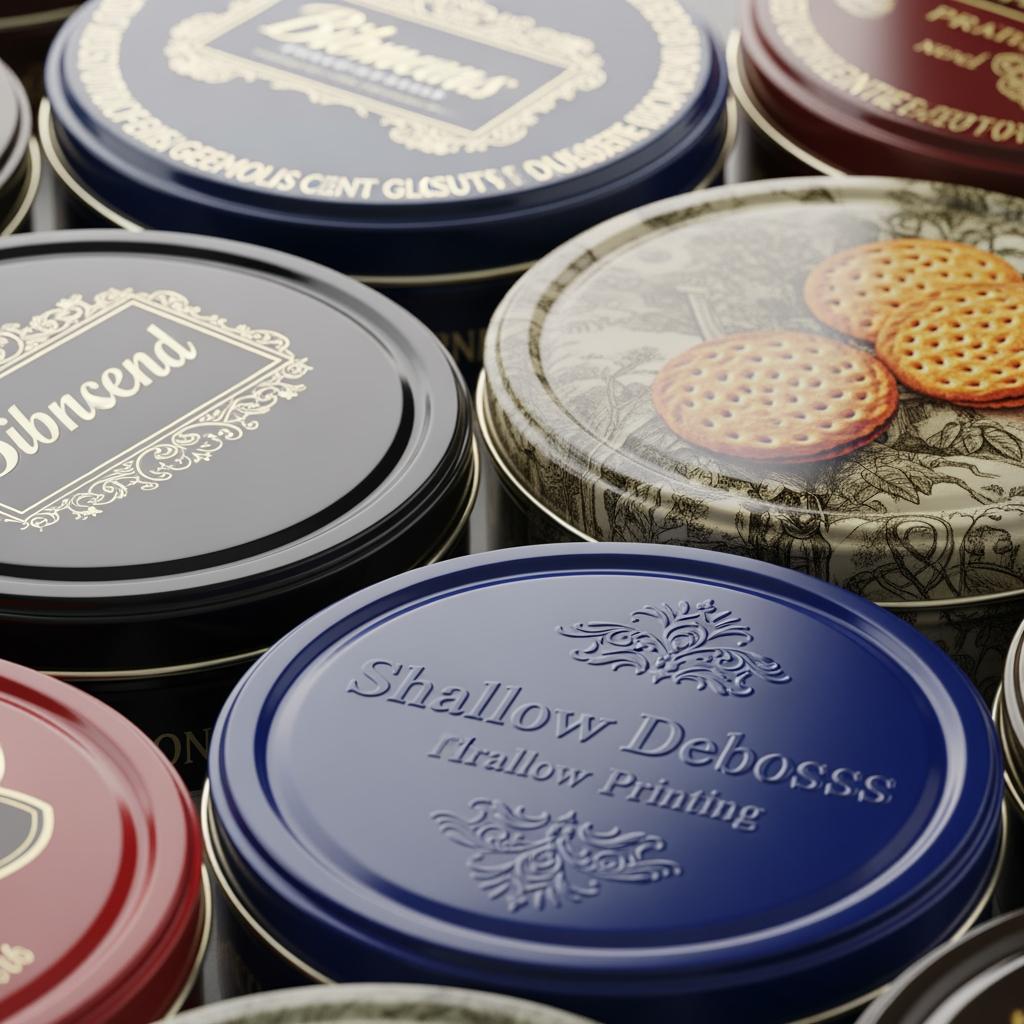
BPA-Free Tinplate Solutions for Food-Safe Peel-Off Ends
If you make ready-to-eat foods, infant nutrition, or pet meals, the move to BPA-free peel-off ends is no longer optional—it’s a brand trust imperative. This guide distills how to specify and source BPA-Free Tinplate Solutions for Food-Safe Peel-Off Ends, from electrolytic tinplate coatings to thickness, certifications, and print/lacquer decisions. If you’re scoping a new lid…
-
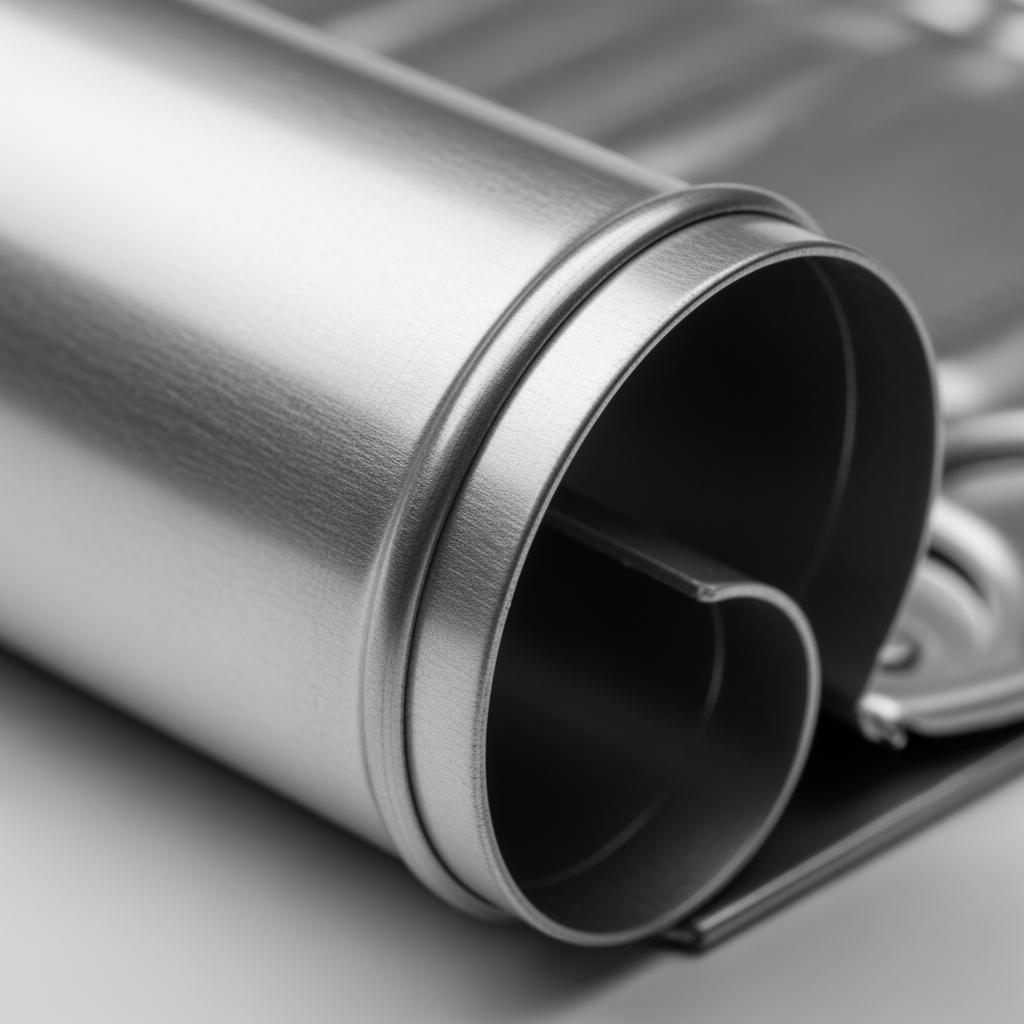
Corrosion-Resistant Tinplate Coils for Beverage Crown Closures
For crown cap makers, the fastest route to fewer rejects and a longer shelf life is choosing the right corrosion-resistant tinplate coils for beverage crown closures, then pairing them with a fit-for-purpose lacquer system and a disciplined QA plan. If you already have specs or drawings, share them and we’ll translate them into a coating…