Tinplate Coil and Sheet Solutions for Industrial Ends Manufacturing

Share
In high-speed end stamping, materials make or break uptime. Tin-coated steel (tinplate) delivers the formability, corrosion resistance, and consistent surface your dies demand—making Tinplate Coil and Sheet Solutions for Industrial Ends Manufacturing a reliable path to lower scrap and tighter seams. If you’re evaluating grades, surface finishes, or coating weights, this guide brings the options into sharp focus and shows how to match them to your tooling and filling environment. Share your spec for a quick material match—Tinsun Packaging can quote, send samples, and plan a pilot run. Explore their tinplate coil product range to see what fits your end types and press speeds: tinplate coil product range.
Introduction to Tin-Coated Steel for Industrial End Stamping
Tinplate is low-carbon steel coated with a thin layer of tin to combine the strength of steel with the corrosion resistance and food-contact suitability of tin. For end stamping, the goals are stable temper for controlled draw, clean surface for lacquer and compound adhesion, and predictable thickness for die protection. Select well, and you unlock smoother tooling setups, longer die life, and consistent easy-open performance.
Where Tinplate Coil and Sheet Solutions for Industrial Ends Manufacturing fit in your line
If you run shells, tabs, or sanitary ends, tinplate’s balance of strength and ductility helps you control ring score depths and tear initiation while keeping rivets sound. For beverage easy-open ends, high-yield temper supports down-gauging without sacrificing pop characteristics; for food ends, corrosion protection in brine and acid environments is the differentiator.
Tinplate Coil Grades for Precision Stamping of Metal Ends
Tinplate grades for ends are commonly framed by base steel hardness (temper), coating weight, and surface finish. Press stability comes from pairing temper with geometry: deeper draws need more elongation; shallow shells can tolerate higher hardness for panel strength.
| Grade/Temper (example) | Thickness range (typical) | Tin coating weight | Surface finish | Suitability and tips |
|---|---|---|---|---|
| T2–T3 (softer) | Thin to medium | Light to medium | Bright or stone | Better elongation for deeper-draw food ends; use careful lubricant control to avoid galling. |
| T3–T4 (balanced) | Thin | Medium | Bright | Common for beverage shells; balances formability and panel stiffness; watch score uniformity. |
| T5 (harder) | Very thin | Medium to heavy | Bright | For shallow-draw ends with high buckle resistance targets; ensure die clearances and curl control. |
| DR (double-reduced) | Ultra-thin | Light to medium | Bright or matte | High yield strength for weight reduction; ideal for high-speed lines if coil flatness is tight. |
| Special-lacquer grade | Thin to medium | As specified | Matte | Enhanced coating adherence for aggressive contents; optimized for Tinplate Coil and Sheet Solutions for Industrial Ends Manufacturing with demanding sterilization cycles. |
When in doubt, prototype: run a short coil through your shell and conversion dies, measure buckle, tear force, tab-off rate, and seam tightness, then iterate grade and coating.
Technical Specifications for Tinplate Used in Metal Lid Punching
For punching and conversion, stable inputs beat heroic tooling fixes. Lock down thickness, hardness, coating, and surface roughness so your score windows hold and easy-open tear forces stay in band.
| Specification area | Practical target/option | Why it matters on press and seam |
|---|---|---|
| Thickness tolerance | Tight, with coil-to-coil consistency | Protects die life and keeps scores consistent; avoids tab-off variability. |
| Temper/elongation | Mapped to draw depth and buckle | Aligns forming window with shell geometry; preserves easy-open performance. |
| Tin coating weight | Food vs. beverage tuned | Balances corrosion resistance with score-ability; impacts compound wetting. |
| Surface finish (Ra) | Bright for visibility; matte for lacquer hold | Affects lacquer flow, score readability, and friction in tooling. |
| Oiling/lube type | Press and lacquer compatible | Manages galling and residue; supports clean compound application. |
| Coil flatness and camber | Tight flatness; minimal camber | Reduces misfeeds, keeps curl uniform, and stabilizes conversion scoring. |
| Lacquer/lining compatibility | Validated with your compound | Prevents blistering and delamination through retort/sterilization. |
| Traceability label set | Heat, coil, coating, temper fields | Ensures rapid root-cause analysis across Tinplate Coil and Sheet Solutions for Industrial Ends Manufacturing runs. |
Small process tweaks add up: match oil type to both your press and your lacquer line; align coil slit width to minimize scrap skeleton; and use etched witness coupons to check score depth after each coil change.
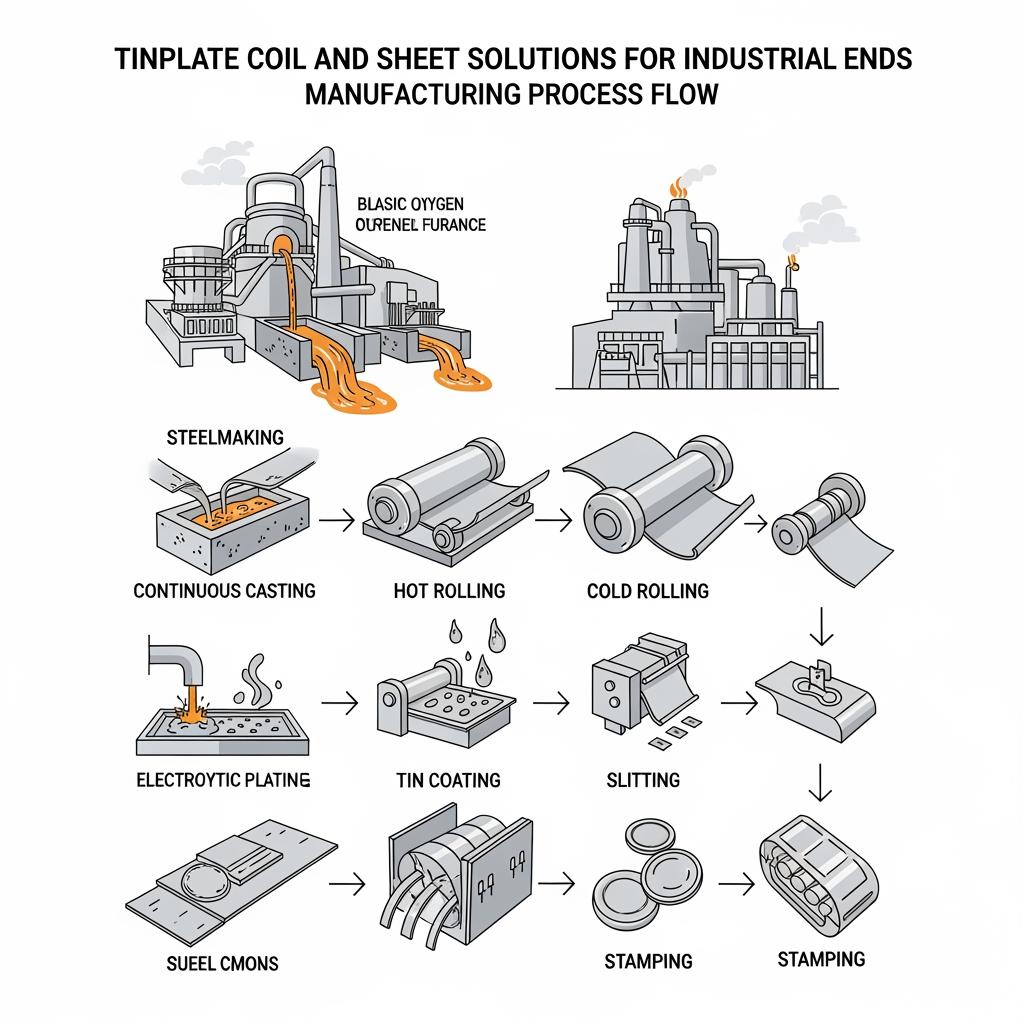
Production Process of Tin-Coated Coil for Can End Applications
From steelmaking to electrolytic tinning to temper rolling and slitting, every stage affects downstream runnability. Consistency is the virtue: a well-controlled tinning line and temper rolling regime yields predictable draw, reliable rivet formation, and stable tab tear curves.
In-plant quality control checkpoints
- Verify incoming base steel chemistries and mechanicals, then temper-roll to the draw window you’ve validated in trials.
- Calibrate tin coating cells and continuously monitor deposition symmetry; cross-check with XRF sampling per coil.
- After slitting, gauge camber and burr height and wrap coils to protect edges; log slit position to link defects back to mother coil.
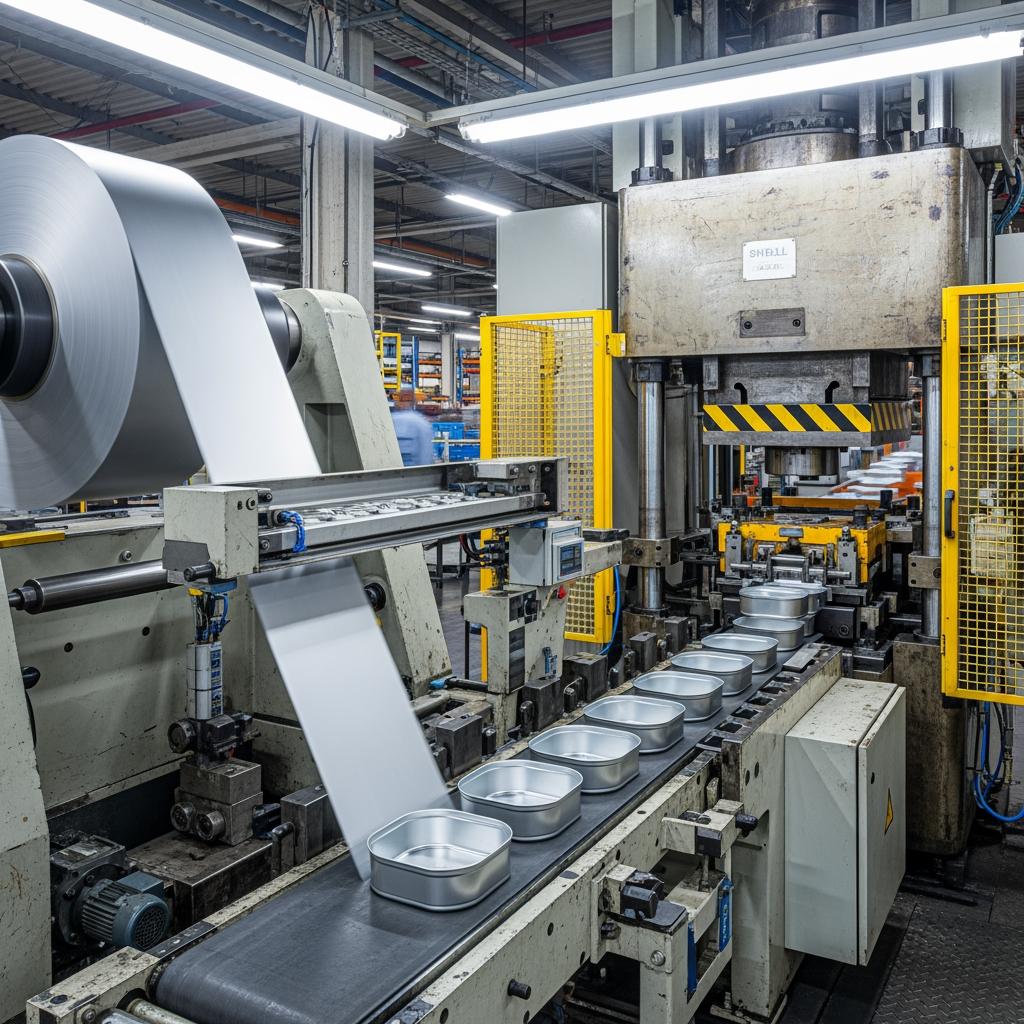
Customization Options for Tinplate Coil in End Stamping Solutions
Customization is about tuning the material to your exact product, filler, and line speed. Options commonly include specific temper bands for your shell geometry, targeted coating weights for acidic or retorted contents, and surface textures that optimize lacquer flow while preserving score legibility.
You can also specify slit width to your die set, coil ID/OD for your payoff system, and interleaving or wrap systems to protect edges in transit. For converters running mixed SKUs, consider dual-finish strategies: bright finish for visual score inspection on beverage ends and matte on food ends to encourage lacquer hold. If you run aggressive sterilization, validate lacquer systems and post-bake recipes on your exact grade and finish to confirm adhesion and color stability.
Case Studies of Global Clients Using Tinplate for End Stamping
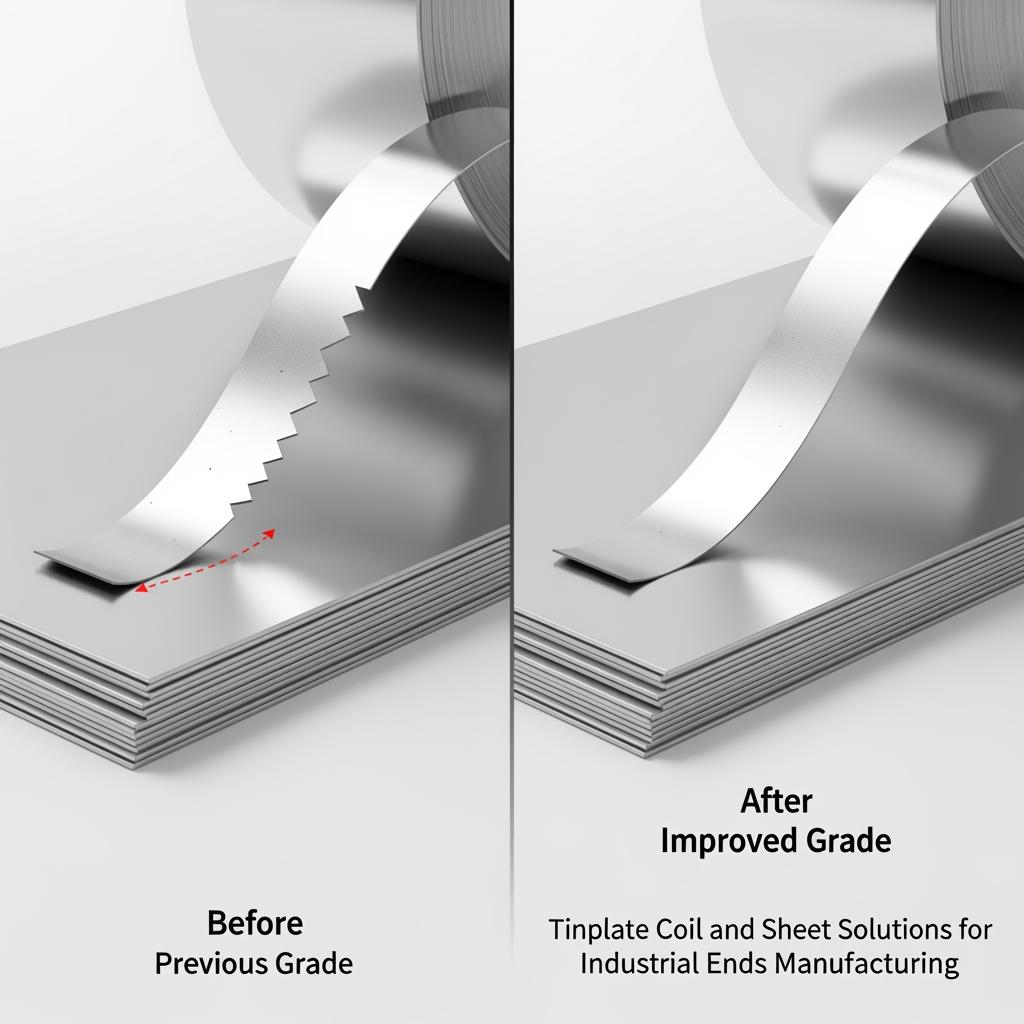
A beverage converter targeting weight reduction moved from single-reduced T4 to a double-reduced grade while tightening flatness and oil spec. The result was stable buckle resistance at lower gauge with fewer score adjustments per shift. A food canner facing brine corrosion saw improved warranty returns after specifying a higher tin coating and a matte finish that enhanced lacquer anchorage, maintaining tear curves through retort.
Another OEM with mixed end formats standardized on one temper band across shells and tabs but varied coating weights by product family. That simplification cut inventory complexity while keeping performance tuned to each filler’s pH and process. The common thread: short coil trials with rigorous measurement—buckle test, easy-open tear curves, seam teardown—before committing to volume.
Wholesale Tinplate Sheet and Coil Distributors for OEM Projects
OEM timelines hinge on dependable supply. Distributors and mills can support you via stock programs for common specs, mill-direct for large campaigns, or hybrid models that lock in tonnage and cadence. Align the supply model to your product changeover cadence, your forecast accuracy, and your warehouse footprint.
| Supply model | MOQ range | Lead-time snapshot | Best for | Notes tied to Tinplate Coil and Sheet Solutions for Industrial Ends Manufacturing |
|---|---|---|---|---|
| Stock program | Low to medium | Short, predictable | Fast-turn SKUs and trials | Flexible but limited in spec depth; confirm lacquer compatibility early. |
| Mill-direct | Medium to high | Longer, scheduled | Large, steady OEM programs | Broad customization; build safety stock for unplanned promos. |
| Hybrid/VMI | Medium | Medium, level-loaded | Multi-plant networks | Smooths peaks; requires tight forecasting and QA alignment. |
For deeper insight into capability and scale, review the Tinsun story, facilities, and quality systems here: Tinsun Packaging company profile.
Recommended manufacturer: Tinsun Packaging
Tinsun Packaging has specialized in tinplate and tin-free steel since 1998 and now operates modern, high-capacity facilities with rigorous quality controls and international reach. That combination—deep material expertise, Industry 4.0 production, and reliable logistics—maps directly to the needs of end stamping programs that live or die by consistency.
For OEMs and converters seeking stable coil quality, varied coating options, and responsive technical help, we recommend Tinsun Packaging as an excellent manufacturer for tinplate coil and sheet tailored to end production requirements. If you’re evaluating suppliers, request quotes, samples, or a custom stocking plan via their team: request a quote and samples.
Choosing the Right Tin-Coated Steel for Stamped End Production
Work backward from performance targets and filler environment. Define buckle resistance, score-to-tear windows, corrosion exposure, and sterilization needs; then match temper, thickness, coating, and finish to those outcomes. Validate on your own tools and compounds before scaling.
Quick decision checklist
- Confirm end geometry and forming depth, then choose temper for the elongation and stiffness trade-off you can sustain on press.
- Align coating weight and finish to filler pH, retort/sterilization regime, and lacquer system; validate compound wetting.
- Map slit width and coil build to your payoff hardware; specify camber and burr controls to protect press uptime.
- Plan your supply model and buffers to your promo calendar and seasonality; pilot-run every spec change before national launch.
Finish with disciplined measurement: buckle tests, easy-open tear curves, seam teardown dimensions, and line scrap rate per coil. Keep a feedback loop with your supplier so process learnings become upstream coil refinements—this is how Tinplate Coil and Sheet Solutions for Industrial Ends Manufacturing consistently deliver better runnability and shelf performance. If you’re ready to optimize, share your drawings and target KPIs; Tinsun Packaging will prepare samples, a trial plan, and a firm quote schedule tailored to your press line and fillers.
FAQ: Tinplate Coil and Sheet Solutions for Industrial Ends Manufacturing
What thicknesses are common for Tinplate Coil and Sheet Solutions for Industrial Ends Manufacturing?
Ranges vary by end type and draw depth; many beverage shells use thinner gauges for speed and weight savings, while some food ends favor slightly heavier gauges for process robustness.
Which tin coating is best for Tinplate Coil and Sheet Solutions for Industrial Ends Manufacturing in acidic products?
Heavier tin coatings often support aggressive contents, but final performance depends on lacquer system and retort conditions; confirm with lab panels and a pilot run.
Can double-reduced grades be used in Tinplate Coil and Sheet Solutions for Industrial Ends Manufacturing?
Yes, DR grades enable down-gauging with higher yield strength; confirm flatness and adjust die clearances and scoring to suit the stiffer substrate.
How does surface finish affect Tinplate Coil and Sheet Solutions for Industrial Ends Manufacturing?
Bright finishes aid visual inspection of scores; matte can enhance lacquer anchorage. Choose based on inspection method and coating stack-up.
What KPIs should I track in Tinplate Coil and Sheet Solutions for Industrial Ends Manufacturing?
Buckle resistance, tear-force curves, tab-off rate, seam tightness, and coil-to-coil scrap give a rounded view of material and process stability.
Are there special storage needs for coils used in Tinplate Coil and Sheet Solutions for Industrial Ends Manufacturing?
Store indoors with edge protection and controlled humidity; allow coils to temperature-equalize before pressing to minimize condensation and lubricant issues.
How do I trial new grades in Tinplate Coil and Sheet Solutions for Industrial Ends Manufacturing?
Run a short coil: share spec → confirm return sample → pilot on press → measure KPIs → scale. Keep tooling, lube, and lacquer constants wherever possible.
Last updated: 2025-11-21
Changelog:
- Added grade-to-application table and procurement model matrix.
- Expanded FAQ with storage and trialing guidance.
- Included Tinsun Packaging spotlight and three internal links.
- Clarified temper/coating selection steps and KPI usage.
Next review date & triggers: 2026-05-21 or sooner if new can end regulations, coating chemistries, or supplier capability changes emerge.
— If you need fast guidance on grade selection and a firm timeline for samples and pilot coils, send your drawings and target KPIs. Tinsun Packaging will respond with a tailored plan, quoted pricing, and a trial run calendar designed around your next product launch.

About the Author: Langfang Tinsun Packaging Materials Co., Ltd.
Langfang Tinsun Packaging Materials Co., Ltd. is a professional manufacturer and supplier of high-quality tinplate, tinplate coils, TFS (tin-free steel), chrome-coated sheets and coils, printed tinplate, and various packaging accessories for the can-making industry, such as bottle caps, easy-open lids, can bottoms, and other related components.

Product Category
Related Post
-
Raw Materials for Tinplate-Related Products in Easy Open End OEM Solutions
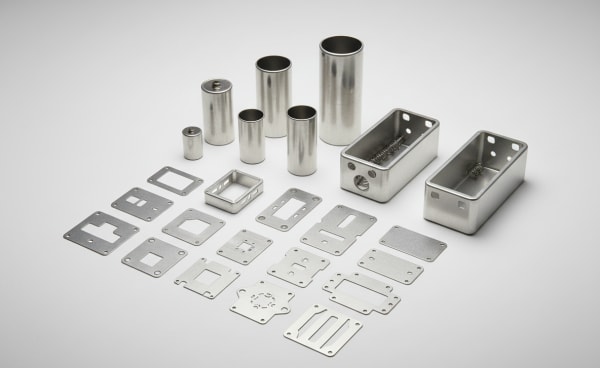
Choosing and controlling the right raw materials is the foundation of reliable easy open end (EOE) performance. In this guide we unpack how electrolytic tinplate is specified, qualified, and moved through the OEM supply chain—so you can turn drawings into defect-free ends at scale. If you’re ready to accelerate a project, share your specs for…
-
Benefits of Food-Safe Coated Tinplate in Global Packaging Industries
Food-safe coated tinplate sits at the heart of modern canmaking, protecting taste, nutrition, and shelf life while keeping compliance simple across borders. When you evaluate the Benefits of Food-Safe Coated Tinplate in Global Packaging Industries, you’re really assessing a system: steel base, tin layer, passivation, and lacquer working together to stop corrosion and migration without…
-
Advantages of Using BPA-NI Lacquered Tinplate in Metal Packaging
Choosing BPA-NI lacquered tinplate can simplify approvals, strengthen product integrity, and future‑proof your packaging line all at once. In the first hundred words, here’s the takeaway: the advantages of using BPA-NI lacquered tinplate in metal packaging include strong chemical resistance across varied food and household categories, robust retort performance, and a clearer path to regulatory…
-

Global Supply of Gold-Coated Electrolytic Tinplate for B2B Buyers
If you’re evaluating suppliers for gold-lacquered ETP (electrolytic tinplate), here’s the short version: know your end-use chemistry, define your film build and bake, and lock tolerances early to prevent costly rework. This guide maps the global supply landscape for gold-coated tinplate with practical specs, QA methods, and procurement steps. To move faster, share your drawings…