-
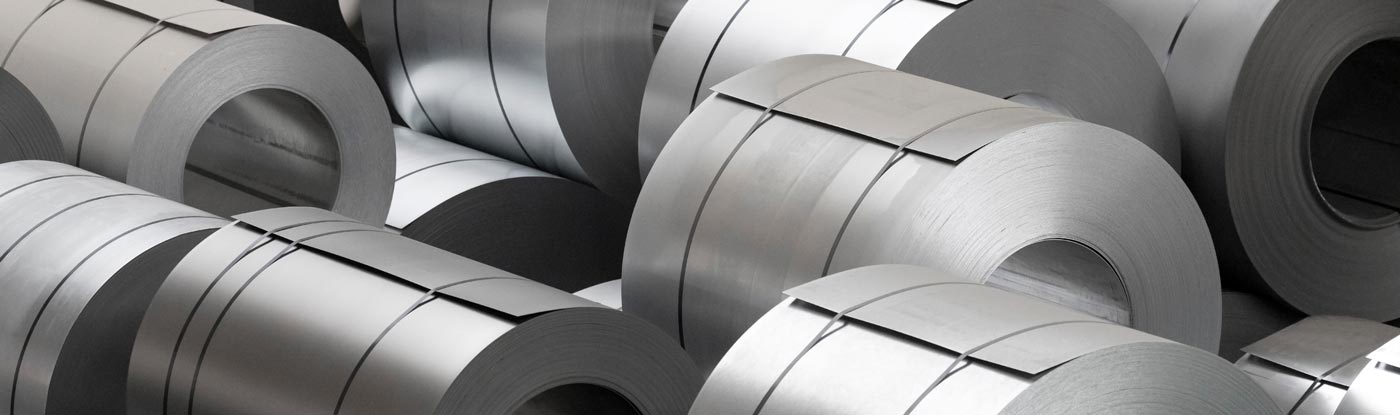
Metal Can Ends Supplier: High-Quality Tinplate Raw Materials for B2B Buyers
If you’re sourcing tinplate for ends and closures, the takeaway is simple: choose a Metal Can Ends Supplier that can match coil and sheet specs to your end lines, keep you stocked through price cycles, and back every lot with fast QA documentation. Share your specifications and forecast, and TinsunPackaging can provide a tailored quote,…
-
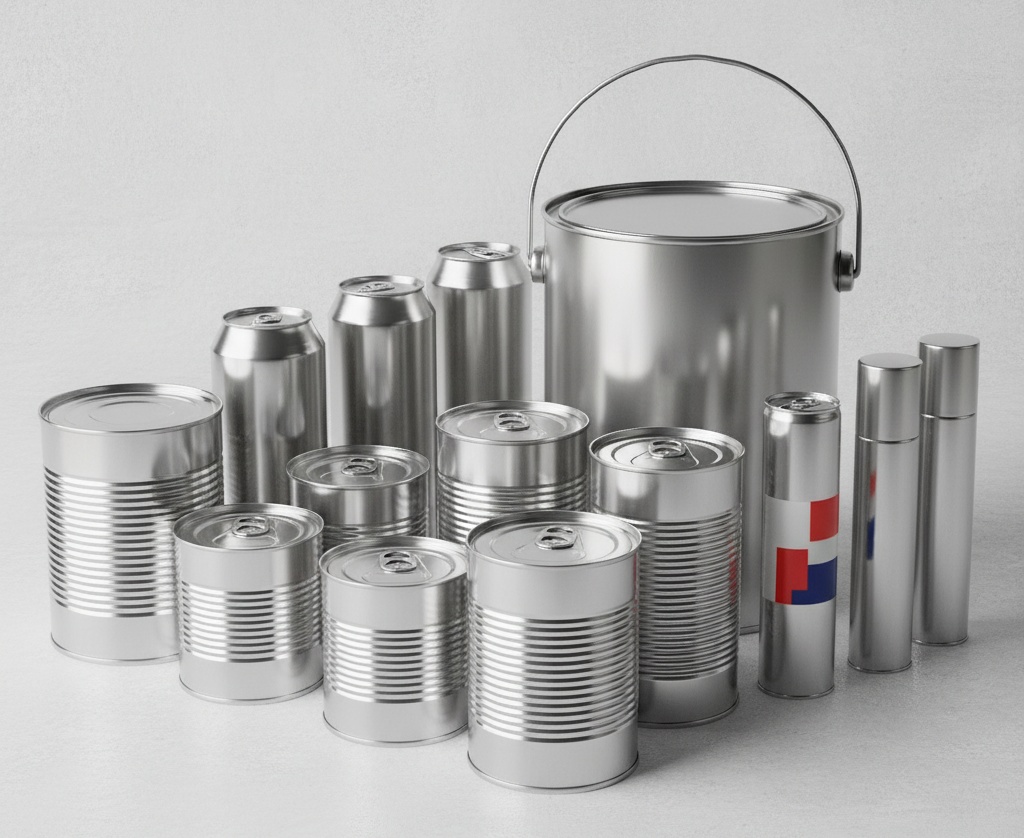
Technical Standards for Raw Steel in Easy Open Lid Production
Easy open lids demand raw steel that meets precise strength, surface, and corrosion benchmarks so lids score cleanly, open safely, and survive retort, transport, and shelf life. This guide explains the technical standards that govern tin-free steel (ECCS/TFS) and tinplate for lid production, how to qualify materials through corrosion testing, where each substrate excels in…
-
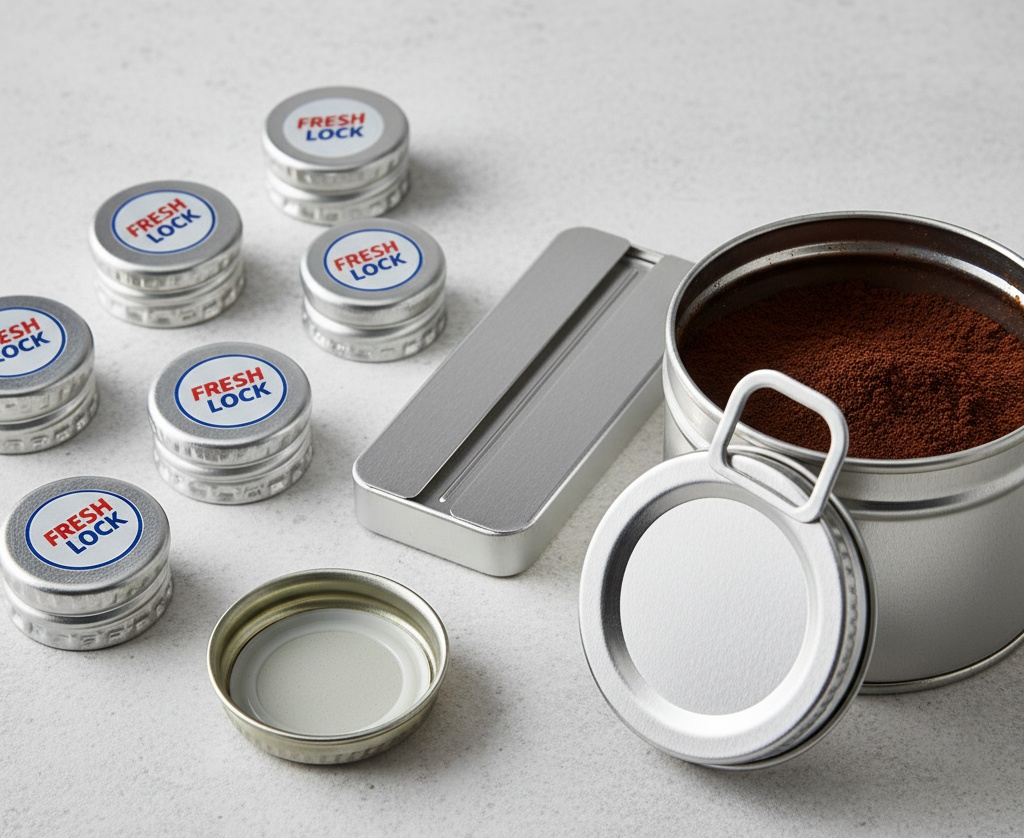
How Easy Open Ends Manufacturers Source Tin-Free Steel Materials
Sourcing tin-free steel (TFS/ECCS) for easy open ends (EOE) is equal parts material science, supplier vetting, and supply-chain discipline. This guide maps out How Easy Open Ends Manufacturers Source Tin-Free Steel Materials from mill to press line, so you can choose the right substrate, coating, and partner without delays. If you want tailored advice for…
-
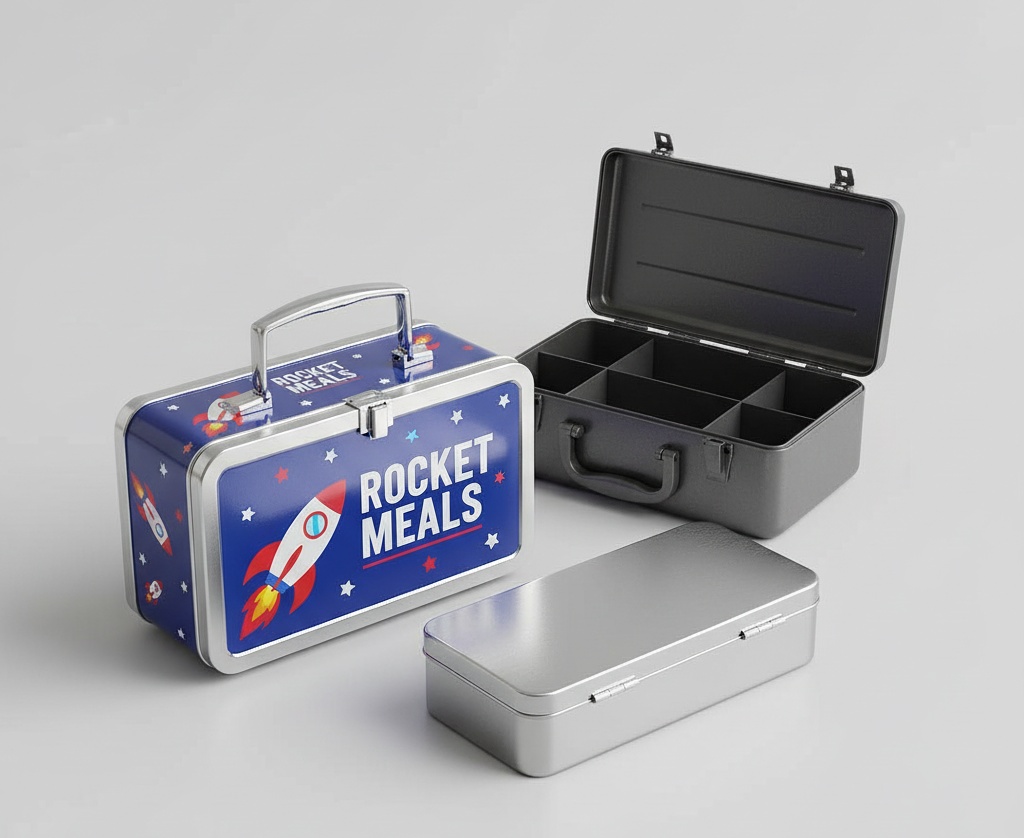
Chromium Coated Steel Sheet Applications in Food-Grade Metal Packaging
Chromium coated steel—widely known as electrolytic chromium coated steel (ECCS) or tin-free steel—has become a mainstay for safe, lightweight, and printable food containers. Its dual-layer chromium/chromium oxide surface delivers strong lacquer adhesion and clean taste profiles, which is why you’ll find ECCS in can ends, easy-open lids, closures, and trays across global supply chains. This…
-
Regulatory Compliance of TFS in Food-Grade Metal Packaging
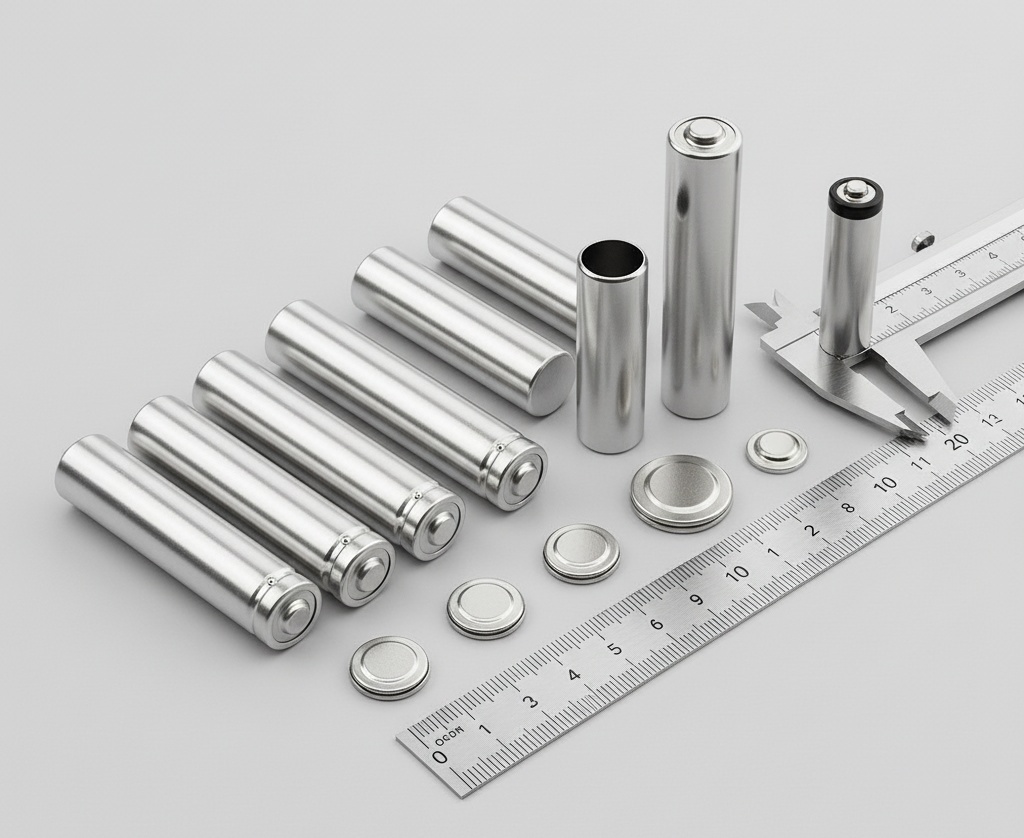
If you work with food cans, ends, closures, or specialty trays, the Regulatory Compliance of TFS in Food-Grade Metal Packaging isn’t optional—it’s your license to operate. In practical terms, that means specifying the right substrate (ECCS/TFS), pairing it with a certified lacquer system, and documenting every step from coil to can to prove safety and…
-

TFS vs ETP in High-Pressure Aerosol Can Applications
High-pressure aerosol cans must endure crimp, dome, side-seam, and buckle loads while preserving flawless lacquer barriers. Choosing between TFS (ECCS) and ETP can decide whether your line runs smoothly or struggles with corrosion and seam rejects. This guide gives you the practical differences, cost trade-offs, and certification pathways for TFS vs ETP in high-pressure aerosol…
-

Corrosion Resistance of TFS Sheets in Carbonated Drink Closures
Corrosion Resistance of TFS Sheets in Carbonated Drink Closures is determined by the synergy of substrate selection, chromium passivation, organic coatings, and cap-making practices. The right ECCS/TFS grade, lacquer system, and process controls can deliver years of shelf-life without under-liner rust or taste impact—even in acidic, high-CO2 beverages. If you’re evaluating options now, share your…
-
TFS Material Grades and Finishes for Round and Easy Open Lids
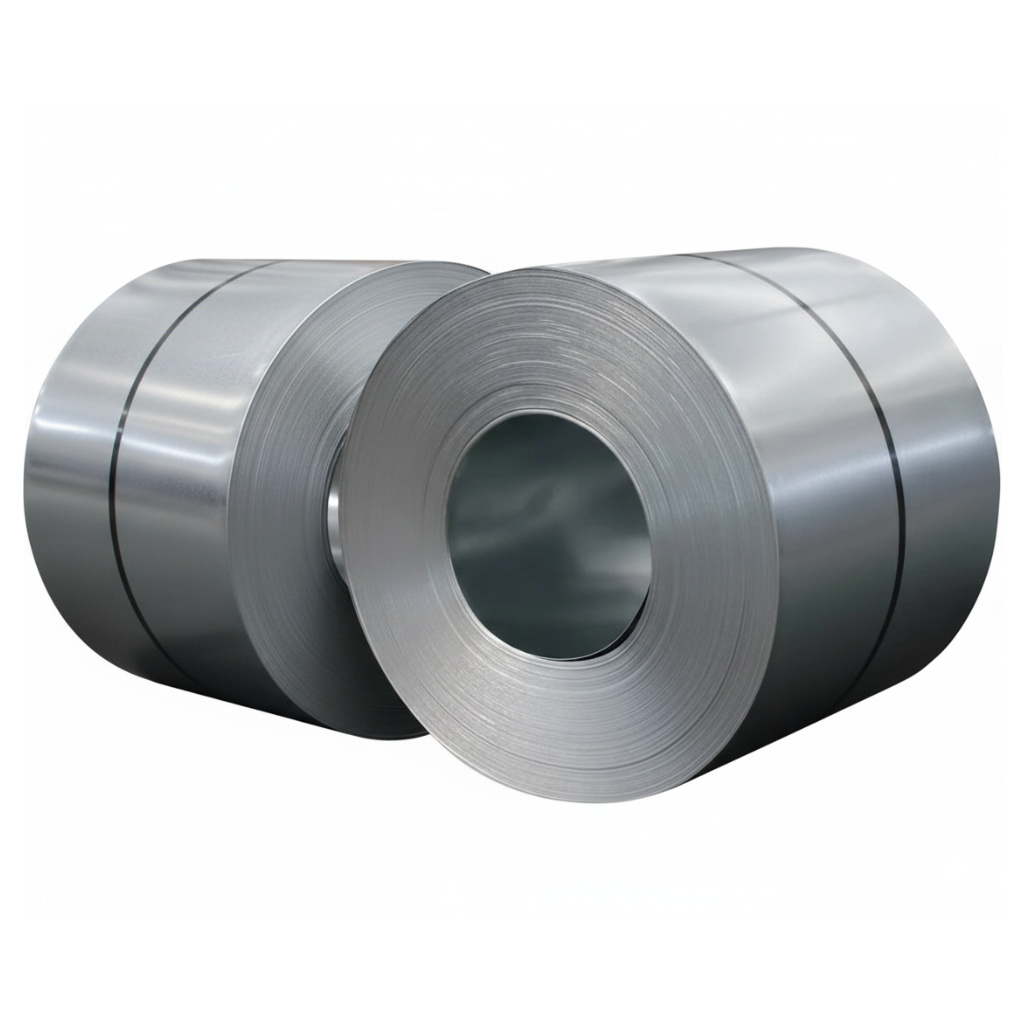
If you specify the right TFS material grades and finishes for round and easy open lids at the outset, you’ll get cleaner scores, tighter double seams, and fewer downtime events on press and conversion lines. In this guide, we translate ECCS/TFS options into practical choices for end shells and EOEs—and what to test before you…
-

Material Standards for Tin Free Steel in Global Packaging Industries
Across food, beverage, aerosol, and general industrial goods, buyers are tightening specifications for safety, sustainability, and global compliance. This guide explains Material Standards for Tin Free Steel in Global Packaging Industries and shows how electrolytic chromium coated steel (ECCS, also called TFS) meets modern requirements without sacrificing printability, formability, or corrosion performance. If you already…
-

Custom Surface Finishes for Chromium-Coated Steel Coils
Custom Surface Finishes for Chromium-Coated Steel Coils are the quiet enablers of great packaging performance: they determine how your metal forms on press, how inks and coatings anchor, and how cans survive real-world humidity. If you’re evaluating ECCS/TFS alongside tinplate, the right finish can cut spoilage, lift print brilliance, and streamline seaming and double-reduction operations….
-

Custom Surface Finishes for Tin Free Steel Sheet Applications
Getting the surface finish right on tin free steel (TFS/ECCS) is the difference between a can that merely survives and a package that protects, prints, and sells. This guide explains how to choose and qualify custom surface finishes for tin free steel sheet applications across food, chemical, and aerosol packaging. If you already have specs,…
-

Tin Free Steel Coil Supplier for Metal Container Fabrication
Introduction to Chromium-Coated Steel for Packaging Tin free steel—also called electrolytic chromium coated steel (ECCS) or chromium-coated steel—has become the workhorse substrate for modern cans, ends, and closures. If you’re evaluating a Tin Free Steel Coil Supplier for Metal Container Fabrication, the key advantages are outstanding paint and lacquer adhesion, stable flavor neutrality compared with…