-
TFS Sheet Surface Finishes and Coating Options for Packaging Use
Getting the surface right is the difference between a can that prints crisply, forms cleanly, and delivers shelf life—and one that doesn’t. This guide explains TFS Sheet Surface Finishes and Coating Options for Packaging Use in practical terms, so you can choose confidently for bodies, ends, lids, and closures. If you need a fast quote…
-

ECCS Coil Technical Specifications for Industrial Metal Packaging
If you work with canmaking lines or industrial closures, getting ECCS coil technical specifications right determines uptime, seal integrity, and audit readiness. This guide distills the essentials of ECCS (electrolytic chromium-coated steel, also called TFS) for industrial metal packaging—coating systems, testing, certifications, finishes, procurement, logistics, printing, and compliance—so you can approve materials with confidence. If…
-
Electrolytic Chromium Coated Steel for Printed Can Production
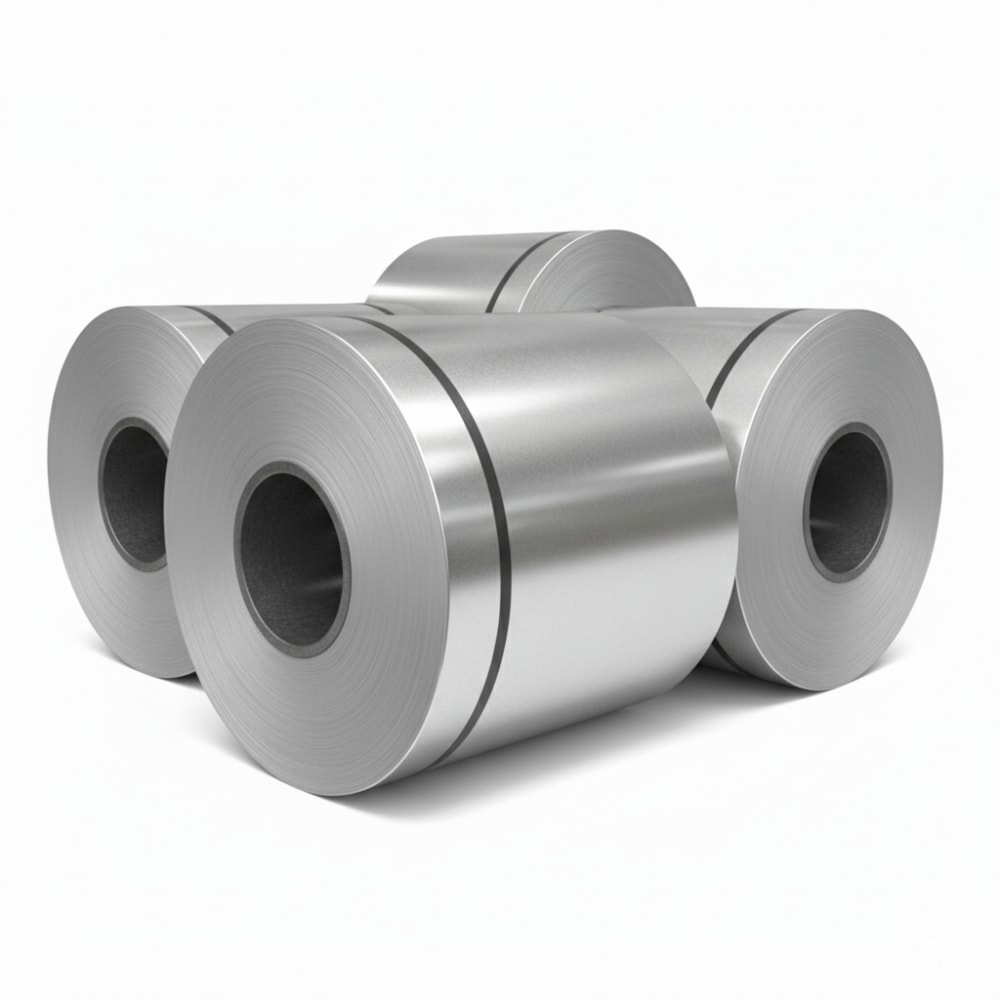
Electrolytic Chromium Coated Steel for Printed Can Production—often called ECCS or Tin Free Steel (TFS)—has become the preferred substrate for high-fidelity graphics on food, beverage, and general-line cans. Its stable surface chemistry, controlled micro-roughness, and excellent lacquer adhesion give decorators predictable, repeatable color. If you’re evaluating ECCS grades, finishes, and compliance for multiple markets, share…
-
Lithographic Tinplate Sheets for High-Resolution Metal Printing
If your goal is razor‑sharp halftones, faithful brand colors, and durable packaging that survives forming and filling, lithographic tinplate sheets for high-resolution metal printing are the proven substrate. The combination of a stable steel core and a uniform tin layer gives you low dot gain, excellent ink anchorage, and long press runs without plate wear….
-

Tinplate Steel Rolls for High-Precision Printed Packaging
If your brand lives or dies on color fidelity and crisp microtext, tinplate steel rolls for high-precision printed packaging are the substrate that keeps graphics sharp while protecting food and consumer goods. This guide shows how to specify printing-grade coils, select coatings for food cans, and build a resilient global supply chain—all the way from…
-

High-Quality Raw Tinplate Materials from Global Mill Sources
If you’re sourcing High-Quality Raw Tinplate Materials from Global Mill Sources, the winning play is simple: lock in the right base steel, coating, and surface finish, then build a resilient supply plan that balances cost, quality, and lead time. This guide shows you how to choose, certify, and negotiate for the tinplate you need—food, beverage,…
-
Raw Tin Coated Steel from Certified Tinplate Manufacturing Plants
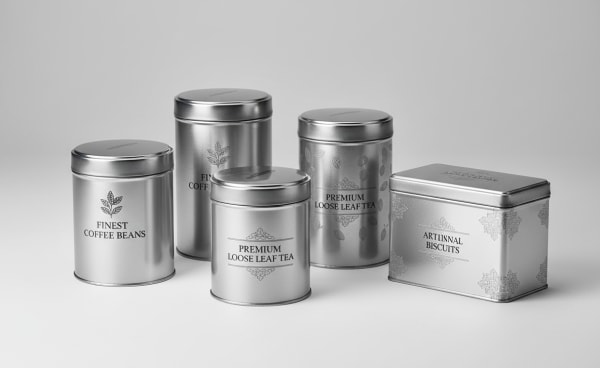
Choosing the right raw tin coated steel sets the tone for everything that follows—food safety, can integrity, line speed, and total cost per thousand units. Below, we translate standards and specs into practical decisions you can make today. If you already have a target gauge, temper, and coating weight, share your requirements and we’ll map…
-
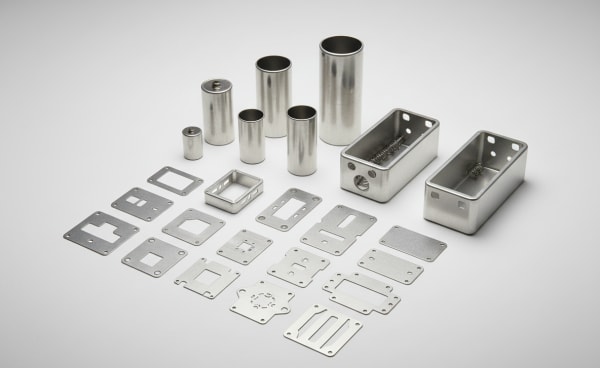
Global Supply of Tin Coils for Metal Packaging Manufacturers
Winning in metal packaging starts with dependable access to consistent, conversion-ready tinplate coils. The global supply of tin coils for metal packaging manufacturers hinges on the right steel base, electrolytic tin coating, and tight process control—matched to your can, lid, or component design. If you’re mapping a multi‑region program or solving for a new format,…
-

Electrolytic Tin Coated Steel for Food Grade Packaging Solutions
Electrolytic tin coated steel for food grade packaging solutions remains the workhorse substrate for safe, attractive, and shelf-stable cans, closures, and lids. Its thin, uniform tin layer protects the steel and interacts predictably with food-safe coatings, giving brand owners confidence from pilot to mass production. If you’re qualifying new coils or looking to dual-source in…
-

Tin-Coated Steel Sheet Specifications for Global Can Suppliers
Getting tinplate right is the difference between a flawless can line and costly downtime. This guide distills Tin-Coated Steel Sheet Specifications for Global Can Suppliers into practical choices you can apply immediately—composition, coating, corrosion control, food safety, and sourcing. If you’re benchmarking options now, share your spec sheet and required volumes to receive a rapid…
-

How Tinplate Thickness Affects Food Container Durability
If you’re designing or sourcing metal cans, the single fastest lever you can pull to improve shelf-life and transit performance is tinplate gauge selection. In short, How Tinplate Thickness Affects Food Container Durability comes down to balancing dent resistance, buckle strength, seam integrity, and corrosion protection against cost and line efficiency. Share your target fill…
-

High Quality Tinplate Sheet Solutions for Metal Packaging Industry
Introduction to Electrolytic Tinplate Sheets for Packaging Electrolytic tinplate (ETP) is the workhorse substrate behind safe, attractive, and highly recyclable metal packaging. In the context of High Quality Tinplate Sheet Solutions for Metal Packaging Industry, ETP combines a low-carbon steel core with an electro-deposited tin layer that improves formability, solderability, and corrosion performance while providing…