-
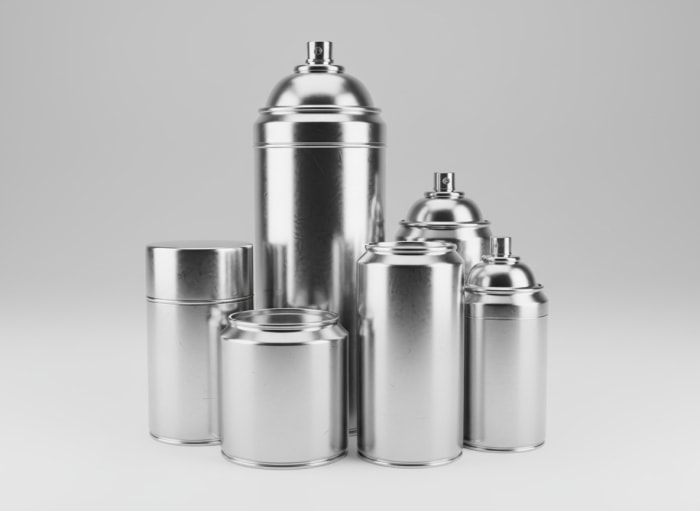
Standard Thickness and Coating Weights for MR Tinplate Sheets
• Introduction to MR Grade Electrolytic Tinplate Materials MR (Medium Residual) grade electrolytic tinplate is the global workhorse for food, beverage, and general line cans because it balances formability, corrosion resistance, and cost. When specifying MR steel, the two levers that most directly drive performance are standard thickness and coating weights. Getting these right prevents…
-
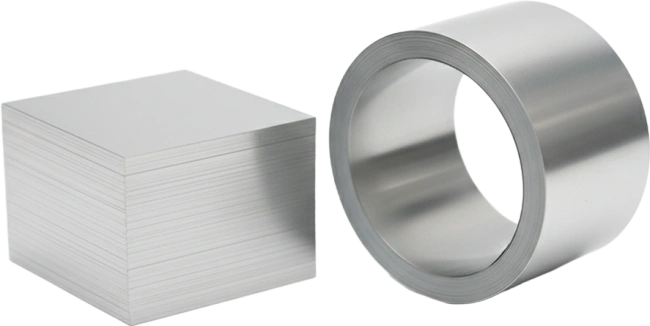
Mechanical Properties of DR Grade Tinplate for Industrial Use
If you’re engineering rigid metal packaging that must be thin yet strong, DR grade tinplate deserves a close look. DR grade tinplate (double-reduced tin-coated steel) delivers higher yield and tensile strength than conventional single‑reduced (MR) material, enabling lighter gauges without sacrificing performance. This article unpacks the mechanical behavior that matters in production—formability, elongation, and corrosion…
-
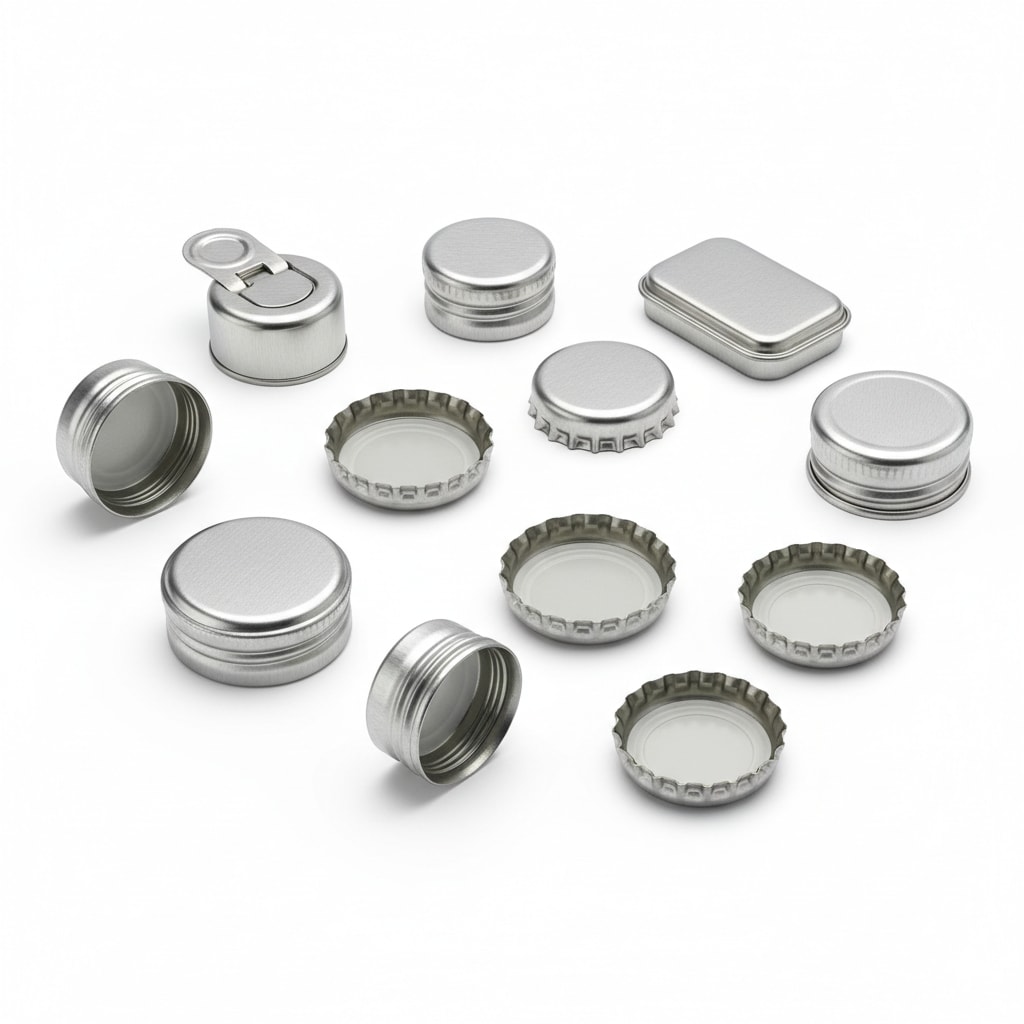
Coating Weight Options for Tinplate Used in Food Can Production
Selecting the optimal coating weight is one of the fastest ways to improve seam integrity, product safety, and line efficiency. In this guide, we break down coating systems, forming behavior, lacquer fit, and corrosion performance so you can choose confidently. If you’d like customized samples or a fast quote tailored to your can size, gauge,…
-

Technical Standards for Tin-Coated Steel in Cap Production
Specifying the right tin-coated steel is the difference between smooth, high‑yield cap lines and scrap-prone, warranty‑risk production. This guide translates the Technical Standards for Tin-Coated Steel in Cap Production into practical decisions you can apply on the factory floor—from grade and thickness to testing, compliance, and sourcing. If you’re benchmarking materials now, share your cap…
-
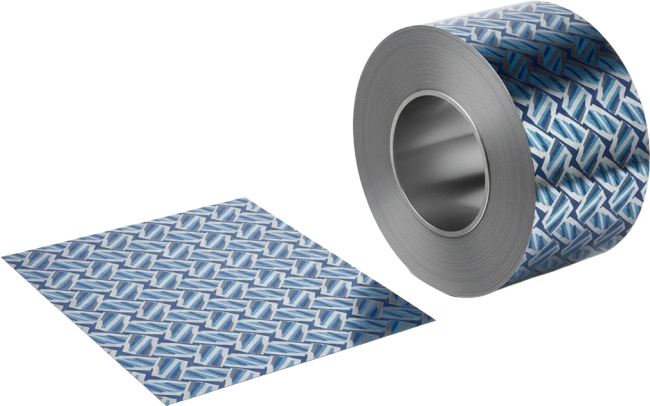
Choosing the Right Tinplate Grade for Deep Drawing and Forming
Choosing the Right Tinplate Grade for Deep Drawing and Forming comes down to balancing formability, strength, corrosion protection, and surface finish so parts draw cleanly, hold their shape, and pass downstream processes like seaming, welding, and coating. In this guide, you’ll learn how grades, tempers, coatings, and standards translate into real-world deep drawing performance—and how…
-

Tinplate Coil and Sheet Solutions for Industrial Ends Manufacturing
In high-speed end stamping, materials make or break uptime. Tin-coated steel (tinplate) delivers the formability, corrosion resistance, and consistent surface your dies demand—making Tinplate Coil and Sheet Solutions for Industrial Ends Manufacturing a reliable path to lower scrap and tighter seams. If you’re evaluating grades, surface finishes, or coating weights, this guide brings the options…
-
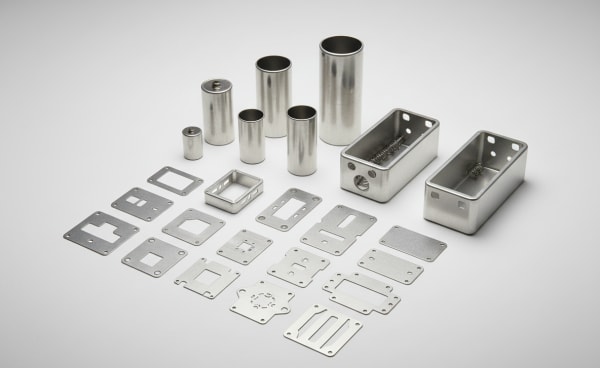
Raw Materials for Tinplate-Related Products in Easy Open End OEM Solutions
Choosing and controlling the right raw materials is the foundation of reliable easy open end (EOE) performance. In this guide we unpack how electrolytic tinplate is specified, qualified, and moved through the OEM supply chain—so you can turn drawings into defect-free ends at scale. If you’re ready to accelerate a project, share your specs for…
-
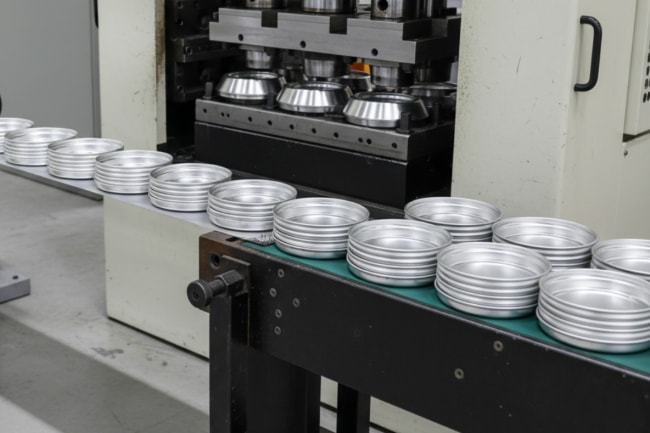
Benefits of Food-Safe Coated Tinplate in Global Packaging Industries
Food-safe coated tinplate sits at the heart of modern canmaking, protecting taste, nutrition, and shelf life while keeping compliance simple across borders. When you evaluate the Benefits of Food-Safe Coated Tinplate in Global Packaging Industries, you’re really assessing a system: steel base, tin layer, passivation, and lacquer working together to stop corrosion and migration without…
-

Advantages of Using BPA-NI Lacquered Tinplate in Metal Packaging
Choosing BPA-NI lacquered tinplate can simplify approvals, strengthen product integrity, and future‑proof your packaging line all at once. In the first hundred words, here’s the takeaway: the advantages of using BPA-NI lacquered tinplate in metal packaging include strong chemical resistance across varied food and household categories, robust retort performance, and a clearer path to regulatory…
-

Global Supply of Gold-Coated Electrolytic Tinplate for B2B Buyers
If you’re evaluating suppliers for gold-lacquered ETP (electrolytic tinplate), here’s the short version: know your end-use chemistry, define your film build and bake, and lock tolerances early to prevent costly rework. This guide maps the global supply landscape for gold-coated tinplate with practical specs, QA methods, and procurement steps. To move faster, share your drawings…
-

White-Coated Electrolytic Tinplate for Food and Industrial Use
White-Coated Electrolytic Tinplate for Food and Industrial Use delivers a clean print surface, robust corrosion resistance, and consistent forming performance across cans, closures, and aerosol bodies. Whether you are specifying a retortable soup can or a solvent-exposed valve cup, success comes from pairing the right white coating with the correct tinplate temper, gauge, and curing…
-

Color-Coated Tinplate for Food-Grade and Industrial Applications
Introduction to Pre-Painted Tinplate Materials for Packaging Color-coated tinplate gives packaging teams a fast, consistent way to combine barrier performance with brand-ready surfaces, reducing downstream coating steps and scrap. In food cans, closures, aerosols, and general line pails, pre-painted electrolytic tinplate (ETP) and tin-free steel (TFS) cut process time while improving print fidelity and corrosion…