-
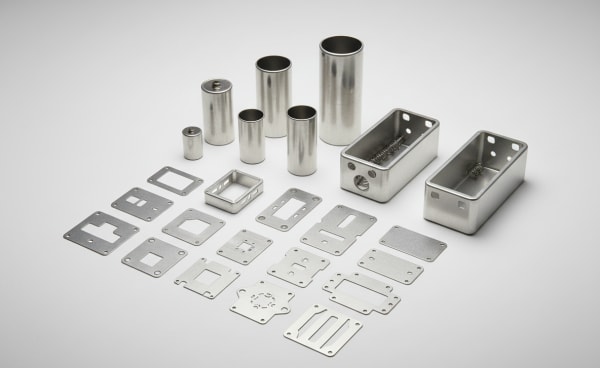
Selecting Passivated Tinplate for Packaging and Metal Forming
Choosing the right passivated tinplate is ultimately about fit: match the passivation film and surface finish to your product’s environment, your forming process, and your downstream coating or welding steps. This guide explains how to evaluate options for Selecting Passivated Tinplate for Packaging and Metal Forming, with practical checkpoints you can use in real RFQs…
-

Choosing the Right Tinplate Base for Industrial Oiling Processes
Getting “Choosing the Right Tinplate Base for Industrial Oiling Processes” right means balancing formability, coating chemistry, surface finish, and oil film so your parts form cleanly, weld reliably, and coat or print without defects. The fastest way to de-risk that balance is to specify the base steel temper and thickness first, then tune tin coating…
-
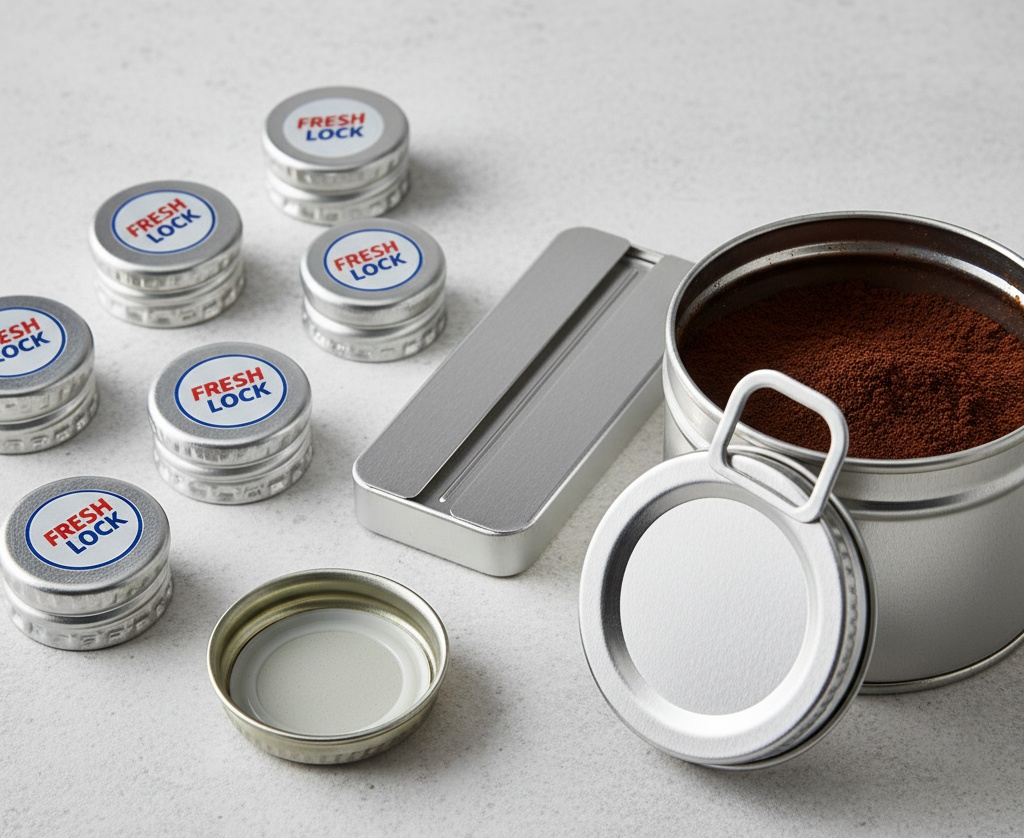
Raw Tin-Coated Steel for Protective and Decorative Varnish Layers
If your end product lives or dies by visual appeal and corrosion resistance, few substrates balance both as well as raw tin-coated steel for protective and decorative varnish layers. The right pairing of substrate, passivation, and varnish chemistry turns a sheet into a durable, food-safe, brand-forward package. If you already know your coating stack, share…
-
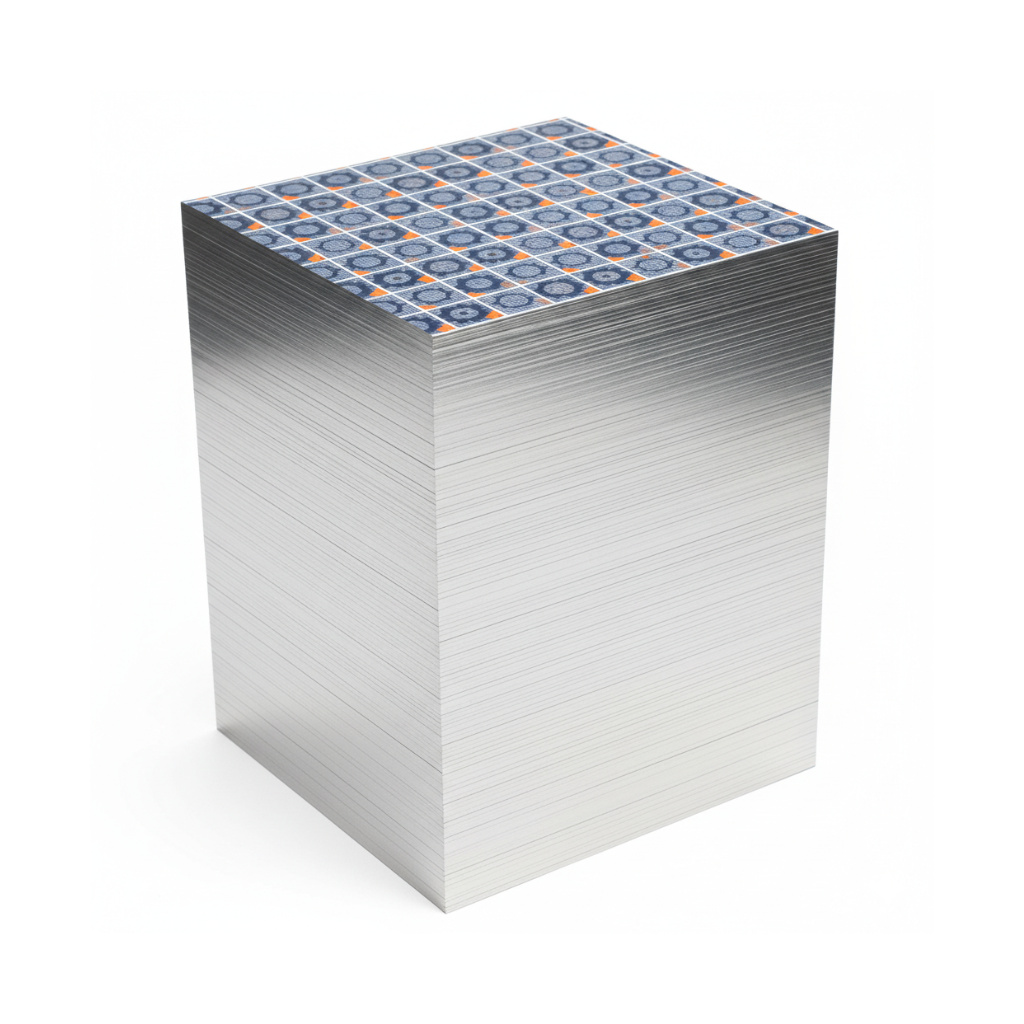
Material Selection Guide for Tinplate Used in Can Lacquering
Introduction to Tinplate Raw Materials for Lacquer Coatings The fastest way to avoid adhesion failures and flavor scalping is to start with the right substrate, and this Material Selection Guide for Tinplate Used in Can Lacquering is designed to help you do exactly that. Electrolytic tinplate (ETP) remains the most widely specified base for lacquered…
-

Global Guide to Raw Materials for Offset Printing Tinplate
If you work with metal packaging, the fastest path to consistent color, crisp halftones, and low scrap is choosing the right substrate from the start. This Global Guide to Raw Materials for Offset Printing Tinplate walks you through the base steel, tin coatings, passivation, and surface finishes that make lithographic printing predictable at scale. If…
-

B2B Guide to Tinplate Raw Materials for Precision Lithographic Printing
Introduction to Litho-Grade Tinplate Raw Materials If you print on metal, the substrate is your first press setting. This B2B Guide to Tinplate Raw Materials for Precision Lithographic Printing explains how electrolytic tinplate (ETP) and related tin‑coated steels influence ink laydown, gloss, dot gain, and downstream forming. The goal: help technical buyers, packaging engineers, and…
-

Best Practices for Using Tin-Coated Raw Materials in B2B Stamping
Getting tin-coated steel right in industrial stamping comes down to designing for formability, protecting surfaces end to end, and aligning supply with press reality. In this guide to Best Practices for Using Tin-Coated Raw Materials in B2B Stamping, you’ll find the fast ways to choose electrolytic tinplate (ETP), prevent defects, and streamline procurement without sacrificing…
-
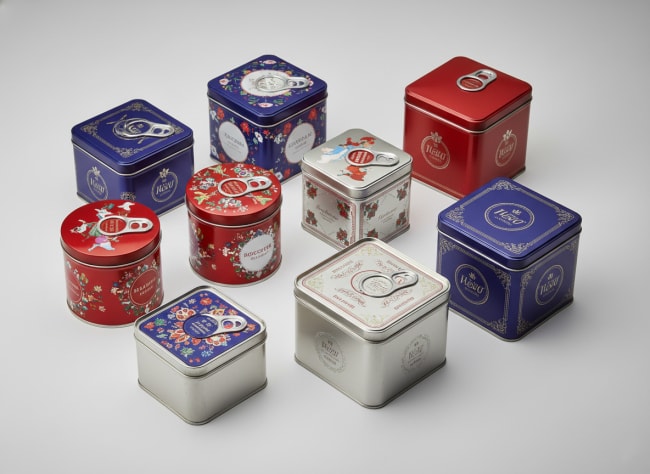
Deep Drawing Performance of Electrolytic Tinplate Raw Materials
Selecting and controlling the right electrolytic tinplate is the difference between a smooth, high-yield deep draw and a day of split cups and earing. This guide distills how to optimize the deep drawing performance of electrolytic tinplate raw materials—grades, strength classes, coatings, standards, and weldability—so you can launch or scale deep‑drawn and DWI programs with…
-
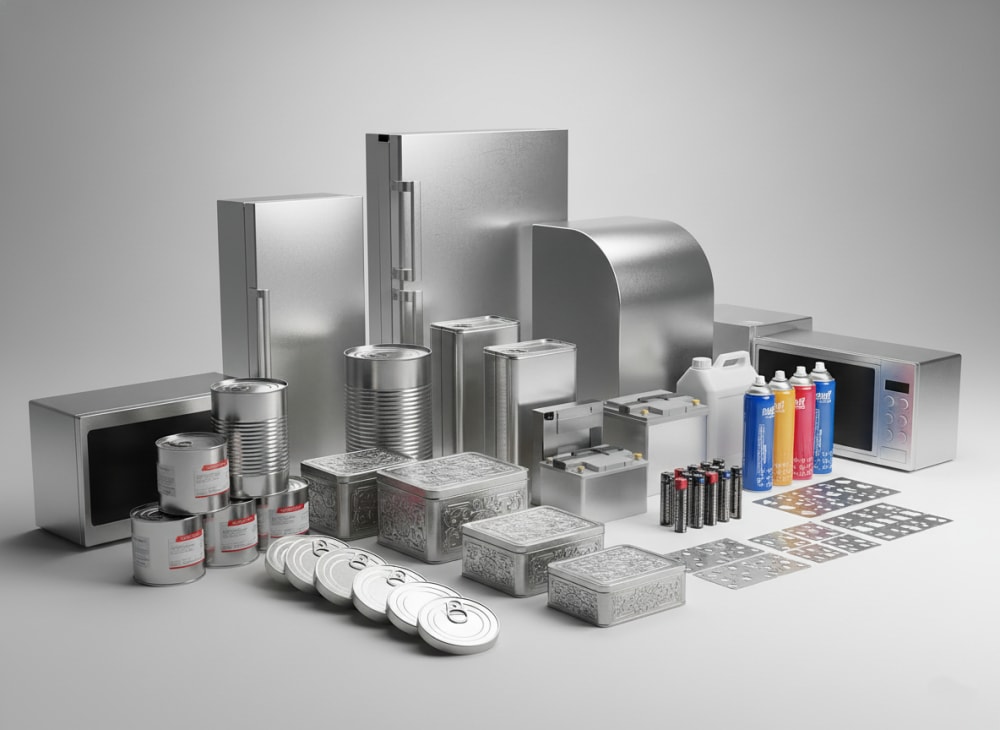
Coating Mass and Thickness Standards for Welded Can Tinplate
Choosing the right coating mass and base metal thickness is the fastest way to stabilize weld quality, corrosion life, and cost for food and beverage cans. This guide distills the essentials of Coating Mass and Thickness Standards for Welded Can Tinplate into practical choices you can apply on the line this quarter, not “someday.” If…
-

Base Steel Selection for Tin-Coated Steel Used in DWI Cans
Choosing the right base steel for tin-coated steel used in DWI cans is the single biggest lever you have on draw performance, wall thinning, panel buckling resistance, and total can cost. Start from the forming loads and product chemistry you need to survive, then back into grade, temper, coating weight, and passivation. If you’re moving…
-

Double Reduced Tinplate Solutions for DRD Can Body Fabrication
Double Reduced Tinplate Solutions for DRD Can Body Fabrication deliver the strength-to-thickness ratio, lacquer adhesion, and draw-ability you need to run deep‑drawn and drawn‑and‑ironed (DRD/D&I) can bodies at high speed with low spoilage. This guide translates metallurgical properties and coating options into day‑to‑day line results, so you can specify material that hits both performance and…
-

Corrosion-Resistant Tin-Coated Steel for Can Bottom Applications
Corrosion-Resistant Tin-Coated Steel for Can Bottom Applications demands a careful balance of base steel strength, tin coating weight, surface finish, and protective lacquer. For can bottom (end) makers, the goal is predictable double-seam integrity, excellent panel performance, and shelf-life that matches the product’s chemistry. If you’re evaluating materials for new ends or a line upgrade,…