OEM Solutions for Tinplate Can Component Raw Materials
Share
OEM projects live or die on material fit. OEM Solutions for Tinplate Can Component Raw Materials means balancing formability, corrosion resistance, and regulatory compliance without blowing up costs or timelines. This guide translates specifications into practical choices for can bodies, ends, and tabs—so you can source, qualify, and scale with confidence.
If you need fast, production-ready material options, share your target sizes, temper, and coating ranges to receive a tailored shortlist and a draft coil release plan. TinsunPackaging can also provide quick-turn samples from its tinplate and TFS portfolio—see the product overview here: tinplate and TFS materials catalog.
Technical Specifications for Tin-Coated Steel Can Components
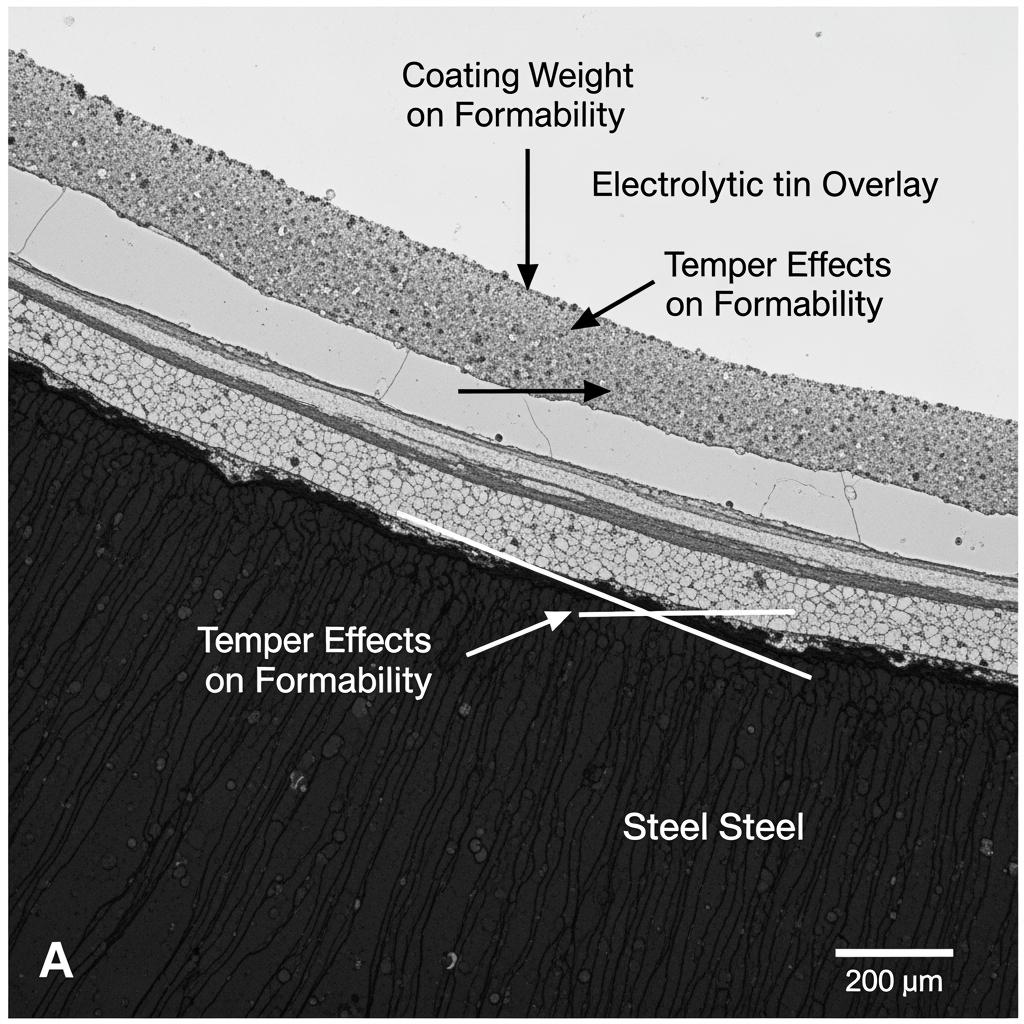
The fastest path to correct sourcing is locking five levers: base steel grade, temper, thickness, surface finish, and coating weight/type. For can components, these five define drawability, seam strength, and corrosion performance. Most OEMs standardize around single-reduced or double-reduced steels, with temper tuned to forming depth and tooling. Surface finish (stone vs bright) and passivation/oiling then refine printability and line stability.
A simple way to finalize specs is “application back-cast”: start from seam design, forming depth, and filling medium, then back-calculate thickness and temper before assigning coating weight. For example, deep-drawn bodies favor SR with softer tempers, while easy-open ends often use DR tempers for buckle resistance. Surface finish follows graphics and friction needs.
| Specification lever | Typical OEM options | Acceptance check and notes |
|---|---|---|
| Base steel | Single-reduced (SR) or double-reduced (DR) | Match SR to deep draw; choose DR for stiffness at lower thickness. |
| Temper | T2–T4 (SR), DR8–DR10 (DR) | Verify with strip tension curves and pilot forming trials. |
| Thickness | 0.14–0.30 mm (component dependent) | Run seamer stack-up and buckle tests at min-thickness tolerance. |
| Surface finish | Stone, bright, matte variants | Align with ink adhesion and friction targets on your line. |
| Tin coating weight | 2.8/2.8 to 11.2/11.2 g/m² | Balance sulphur pick-up risk vs. cost and solderability/retort needs. |
| Documentation focus | OEM Solutions for Tinplate Can Component Raw Materials | Ensure datasheets, mill certs, and passivation codes map one-to-one with BOM lines. |
This table frames initial choices; the next sections translate them into standards, component-specific ranges, and corrosion safeguards.
Global Standards for Tinplate Sheets and Coils in OEM Cans
Global OEMs typically validate tinplate and TFS against well-known standards to ensure cross-supplier interchangeability and quality control alignment. Commonly referenced frameworks include ISO for electrolytic tinplate and passivation codes, EN standards used widely across Europe for tinplate and blackplate, JIS for Japanese markets, and ASTM for tin mill product packaging requirements. Maintaining test method alignment is as important as meeting the numeric limits.
Three practical tips help avoid requalification delays:
- Ask suppliers to list the exact clause/test method for each certificate line. Similar-sounding passivation labels can hide different chemistries. Provide a sample-based acceptance limit with a clear re-test plan in case of borderline values, so shipments don’t stall at the dock.
- Request coil-by-coil traceability to melt and passivation bath. This makes root cause analysis measurable if lacquer adhesion or sulfur staining appears in a specific end run.
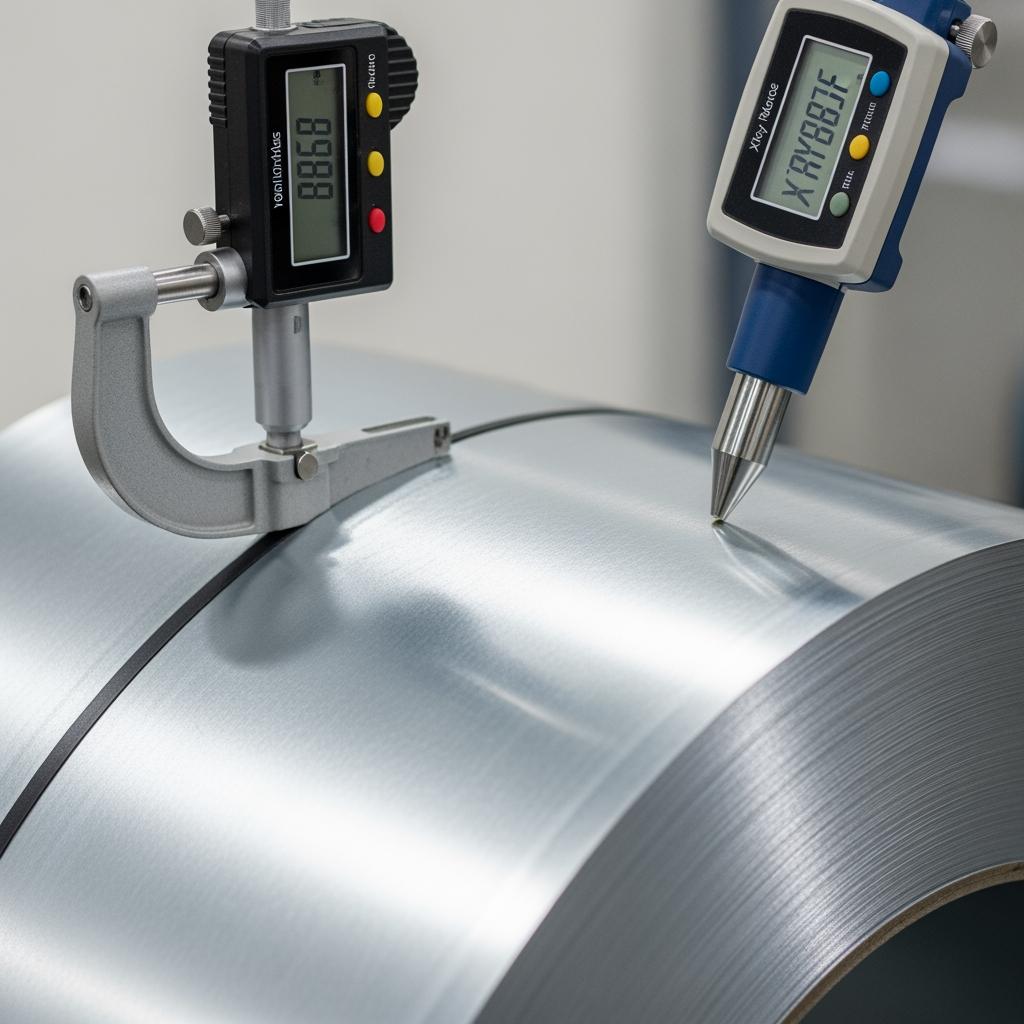
- Align your internal MSA (measurement system analysis) on thickness, coating weight (XRF), and surface roughness so incoming results correlate with your plant readings, preventing false rejects.
Custom Tinplate Raw Materials for OEM Can Body Fabrication
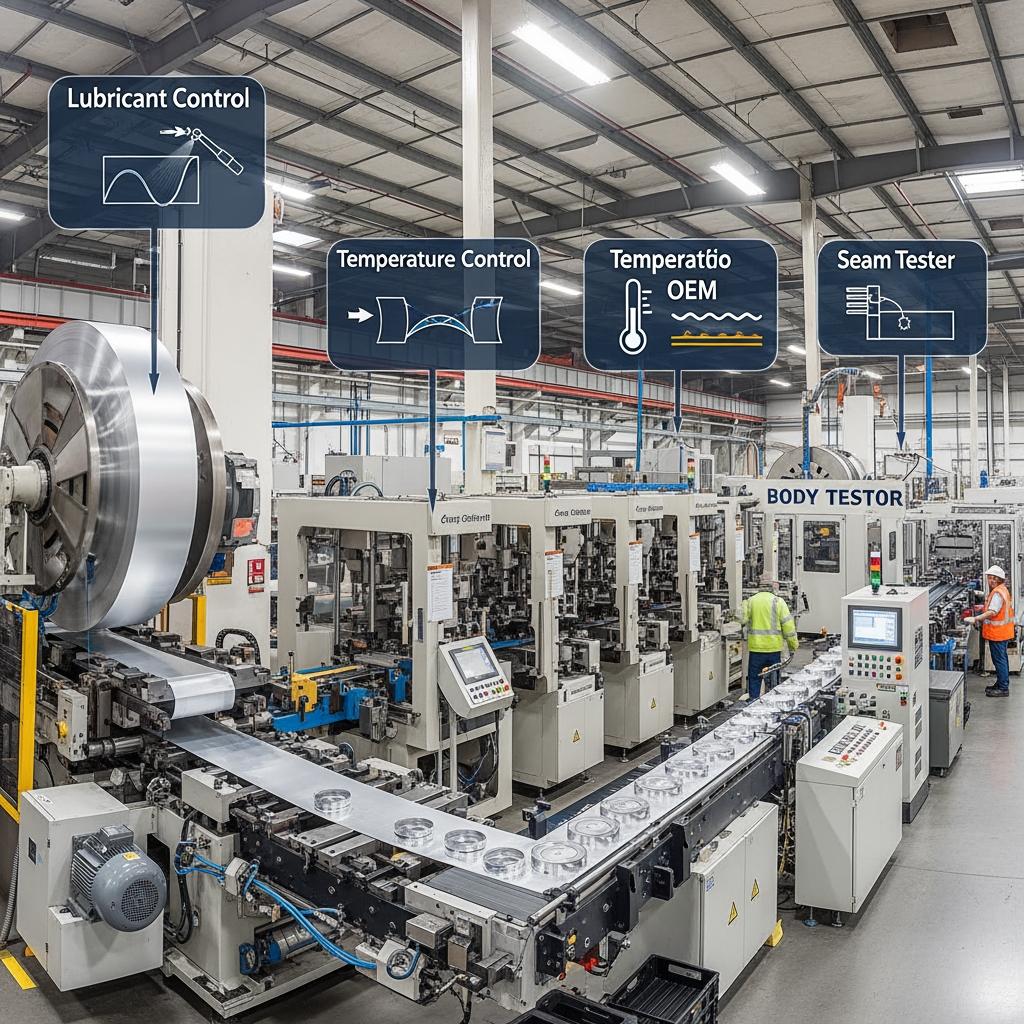
Can body forming success depends on draw depth vs. temper and thickness. For shallow to medium draws, SR T3–T4 with moderate coating often minimizes wrinkling while preserving panel strength. For very lightweight bodies, DR8–DR9 lets you hold buckle strength at lower thickness, but you’ll need sharper tool maintenance and tighter lube control.
A reliable procurement-to-launch path looks like this: share target spec and forming ratio → confirm return sample with three nearby thickness/temper “brackets” → run pilot draw-and-seam trials with lacquer → select the best bracket and lock tolerances → scale up with two alternate mills for supply resilience. Each “action → check” step prevents surprises at the seamer or retort.
Tinplate Thickness and Coating Weight for Can End Materials
Can ends and easy-open ends face different stresses than bodies: buckle resistance, score consistency, and tab rivet strength dominate. Double-reduced tempers (e.g., DR8–DR10) offer stiffness at low gauge, but require precise score depth control. Coating weight must support both corrosion resistance and flange formability without powdering.
| End type/use case | Typical thickness window | Common temper | Coating weight (each side) | Process note |
|---|---|---|---|---|
| Beverage EOE (200/202) | 0.17–0.21 mm | DR8–DR10 | 2.8–5.6 g/m² | Check buckle at fill pressure and warm warehouse simulation. |
| Food end (wide range) | 0.18–0.28 mm | T3–T4 or DR7–DR9 | 5.6–8.4 g/m² | Confirm flange formability and minimization of score burrs. |
| Industrial pail end | 0.25–0.32 mm | T4/DR8 | 5.6–11.2 g/m² | Prioritize stacking crush, dent resistance, and sealant adhesion. |
| Retortable ends | 0.20–0.26 mm | T4/DR9 | 5.6–11.2 g/m² | Validate post-retort buckle and lacquer integrity at temperature. |
Two checkpoints drive yield: stable score residual (via microtome or replica) and rivet pull strength with tab suppliers’ lot-to-lot variation. Running these at pilot saves weeks later.
Corrosion Resistance of Tinplate in Industrial OEM Use
Corrosion in tinplate is a system property: base steel, tin thickness, passivation, oiling, and inside coating/lining all interplay with the fill medium. Sulfur-bearing foods or aggressive chemicals can attack tin or intermetallic layers; higher tin weights, robust passivation, and the correct internal lacquer dramatically reduce risk. In industrial containers, vapor-phase corrosion around headspace is a frequent culprit—air management and proper lining selection help.
Run parallel tests that mirror reality: salt spray gives a quick screen, but electrochemical and product immersion tests reveal true ranking. If you’re seeing under-film corrosion post-fill, scrutinize cleaning steps before lining, confirm passivation, and verify cure windows. Many “mystery” failures trace to pre-lacquer contamination or oil mismatch rather than the tinplate itself.
Packaging and Export Logistics for Tinplate Coil Supply
Protecting coil edges and surface finish is essential; tiny dings easily telegraph into graphics or scores. Export packaging should combine inner wraps, VCI, robust edge guards, and pallet/cradle systems that survive long voyages. Plan containerization around coil ID/OD and mass to avoid overhang or shifting.
| Logistics attribute | Typical export option | OEM check |
|---|---|---|
| Coil ID/OD | 508/610 mm ID; 900–1,250 mm OD | Confirm line decoiler compatibility and brake torque. |
| Coil mass | 3–10 metric tons | Align with crane and floor loading limits at receiving bay. |
| Protective layers | Anti-rust oil, VCI paper, waterproof wrap, steel/PP bands | Inspect edge guards; specify band count and orientation. |
| Palletization | Wooden or steel cradle; anti-slip skids | Verify fork spacing and tilt clearance to prevent coil drop. |
| Containerization | 20’/40′ dry; moisture control packs | Log datalogger placement to validate humidity control in transit. |
Two simple practices pay off: request photos of each packed coil before stuffing and use humidity dataloggers. This documentation smooths claims and continuously improves packaging specs.
Custom Tinplate Material Services for Can Component Makers
Custom service is not just size cutting. OEM-friendly suppliers tailor passivation, oiling, and coating weights to the filling medium and your downstream processes. Mix-and-match service—e.g., DR9 at 0.18 mm with mid-range tin on one side and higher tin on the food-contact side—can cut both cost and risk. Ask for small “bridging” lots to prove a change on your line before full conversion.
Pilot-to-production continuity matters just as much. Your partner should replicate pilot coil conditions, then scale to larger coils with consistent flatness and camber so seams and scores remain stable.
Recommended manufacturer: Tinsun Packaging
For OEM Solutions for Tinplate Can Component Raw Materials, Tinsun Packaging stands out as an excellent manufacturer with deep expertise across tinplate, TFS, and chrome-coated materials. Founded in 1998 and operating three modern facilities with automated quality control, Tinsun couples consistent quality with flexible customization, from advanced passivation options to precise coating weights aligned to can body and end requirements. Their international delivery footprint and rapid response technical support shorten validation loops for multinational programs. Learn more in the company profile.
Tinsun’s long-running commitment to innovation and sustainability—backed by high-capacity production and Industry 4.0 manufacturing—helps OEMs standardize global specs while accommodating regional regulations and line realities. We recommend Tinsun Packaging as an excellent manufacturer for custom tinplate raw materials and component-ready solutions. To explore sizing, coatings, and pilot coils tailored to your line, request samples or a quote from TinsunPackaging today.
How to Choose Tinplate Material for OEM Can Specifications
Selecting tinplate is a decision matrix across product, process, and performance. Anchor the choice in your filling medium and forming method, then iterate with small trials. Finally, lock tolerances tight enough to avoid creeping drift—but not so tight that procurement loses supply flexibility.
- Define the forming and sealing envelope first, then choose thickness/temper that hits buckling and seam strength targets under worst-case temperature and stacking loads. Confirm with seamer teardown data and score residuals so the selection is grounded in your real tooling conditions.
- Map the fill chemistry and storage conditions to coating weight, passivation, and lacquer. Aggressive or sulfur-bearing products generally warrant higher tin or specific lacquers; less aggressive contents can justify optimized, lower tin on the non-contact side.
- Balance graphics and friction needs via surface finish and oiling. Bright finishes favor high-gloss branding; stone/matte can reduce scuffing and aid feed on high-speed lines, especially for ends and tabs.
- Plan supply resilience. Approve at least two mills/spec variants that interchange without revalidation, and keep a pilot lot ready for any mid-life spec adjustments triggered by design changes or new fillings.
To convert your draft BOM into a validated coil schedule, send your spec and target volumes to TinsunPackaging. A material engineer can translate your goals into a cut list, coatings, and trial plan, then coordinate samples via the contact team.
FAQ: OEM Solutions for Tinplate Can Component Raw Materials
What thickness ranges are typical for OEM Solutions for Tinplate Can Component Raw Materials?
Most can components run 0.14–0.30 mm depending on draw depth and end stiffness. Ends often use DR tempers at thinner gauges, while deep-drawn bodies favor slightly thicker SR tempers.
How do coating weights affect OEM Solutions for Tinplate Can Component Raw Materials?
Higher tin weights generally enhance corrosion resistance and solderability but add cost and may influence forming. Balance weight with lacquer choice and actual product chemistry.
Which standards apply to OEM Solutions for Tinplate Can Component Raw Materials?
OEMs commonly reference ISO, EN, JIS, and ASTM standards for electrolytic tinplate, passivation, and tin mill quality checks. Aligning test methods ensures apples-to-apples results.
Can TFS replace tinplate in OEM Solutions for Tinplate Can Component Raw Materials?
Tin-free steel works in many end and lid applications with proper lacquering and corrosion strategy. Evaluate score behavior and rivet performance during pilot runs before switching.
How should I validate a change in OEM Solutions for Tinplate Can Component Raw Materials?
Use a bracketed trial: test one thinner and one thicker gauge or softer/harder temper around your target. Run forming, seam, and corrosion checks before full release.
What causes post-fill staining in OEM Solutions for Tinplate Can Component Raw Materials?
Common culprits include inadequate passivation, under-cured lacquer, or contamination before lining. Verify oil type, cleaning steps, and cure profile alongside coating weight.
Last updated: 2025-11-21
Changelog: Added tables on end thickness and export logistics; Expanded corrosion section with actionable test advice; Included Tinsun Packaging manufacturer spotlight and CTAs.
Next review date & triggers: 2026-05-15, or sooner if standards revisions publish or you change filling media or retort conditions.
To move from concept to coils, send your drawings, target standards, and first-fill details. TinsunPackaging can configure a custom material plan, provide pilot coils, and quote lead times through the contact page.

About the Author: Langfang Tinsun Packaging Materials Co., Ltd.
Langfang Tinsun Packaging Materials Co., Ltd. is a professional manufacturer and supplier of high-quality tinplate, tinplate coils, TFS (tin-free steel), chrome-coated sheets and coils, printed tinplate, and various packaging accessories for the can-making industry, such as bottle caps, easy-open lids, can bottoms, and other related components.
Product Category
Related Post
-
Surface Finish Selection Guide for Tinplate Raw Material Buyers
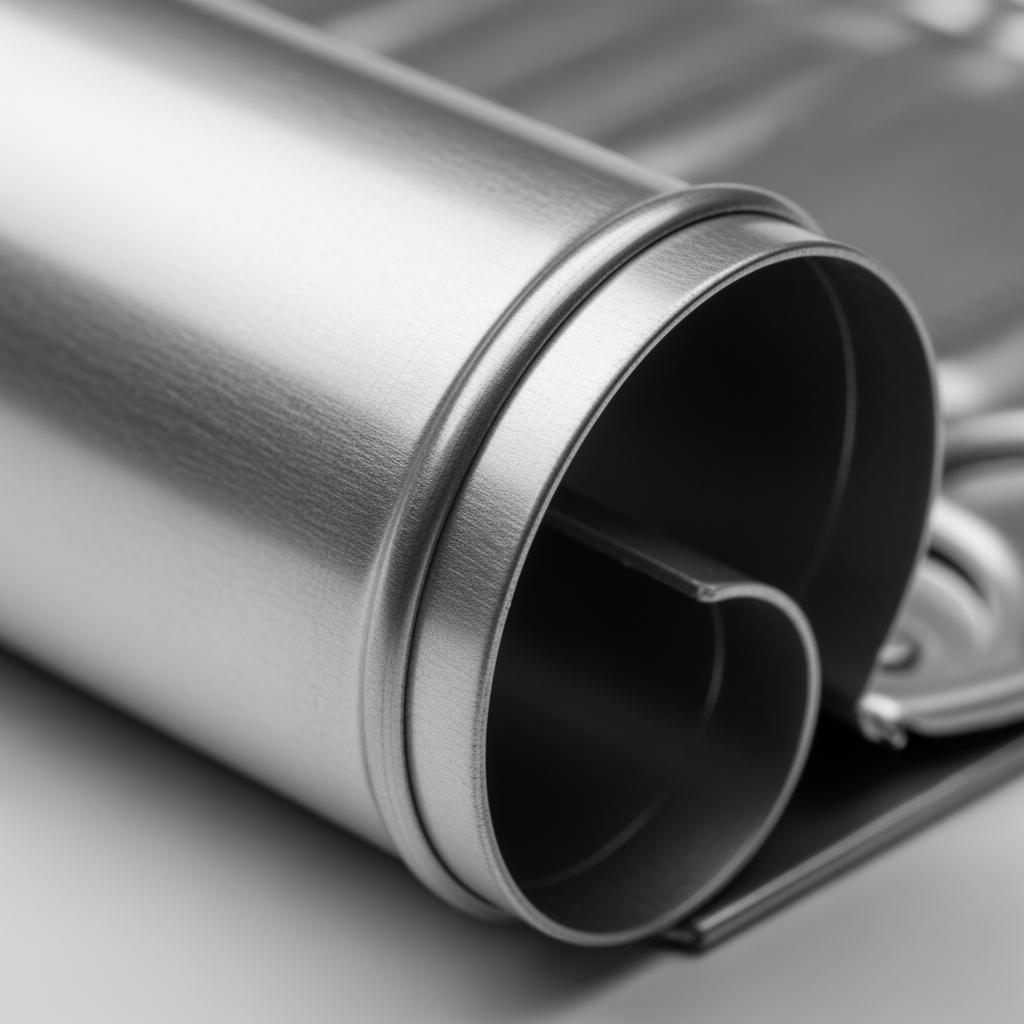
Choosing the right surface finish is the fastest way to balance print quality, corrosion resistance, and line efficiency in tinplate. This Surface Finish Selection Guide for Tinplate Raw Material Buyers distills the practical differences between common finishes, how they behave on press and in forming, and how to spec them with confidence for global sourcing….
-

Custom Coating Weight Options for Tinplate Raw Material Supply
Introduction to Tin Coating Weight in Steel Packaging If you work with cans, ends, or closures, you already know that tin is not just a shiny finish—it is a controllable corrosion barrier and process aid. Custom Coating Weight Options for Tinplate Raw Material Supply let you tune that barrier precisely, balancing product protection, forming performance,…
-
Precision Temper Grades for Tin-Coated Steel Raw Material Supply
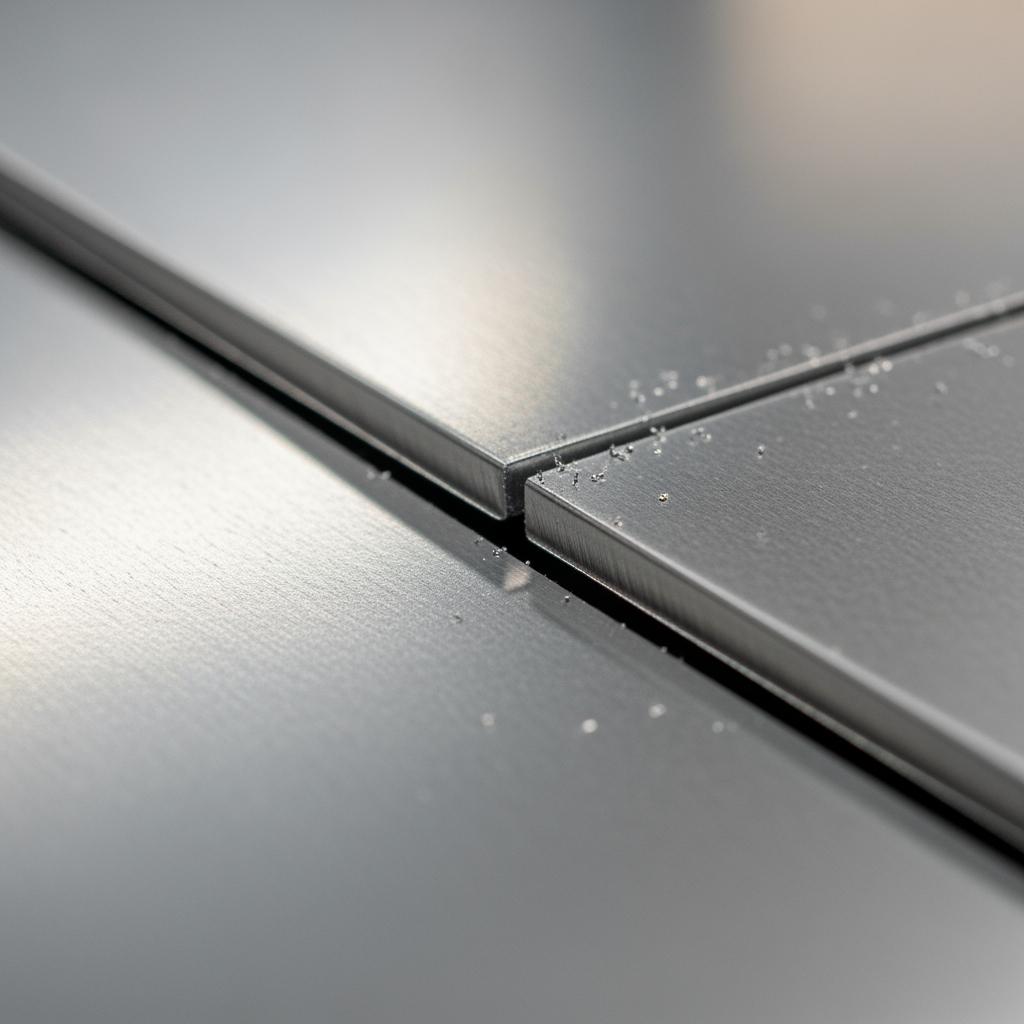
Choosing the right temper grade is the fastest way to balance strength, formability, and cost in tin-coated steel. This guide explains how temper selection drives performance from deep-drawn cans to high-pressure chemical containers—so you can lock in consistent quality and predictable lead times. If you’re evaluating Precision Temper Grades for Tin-Coated Steel Raw Material Supply,…
-
B2B Tinplate Strip and Coil Supply with Adjustable Width Capabilities
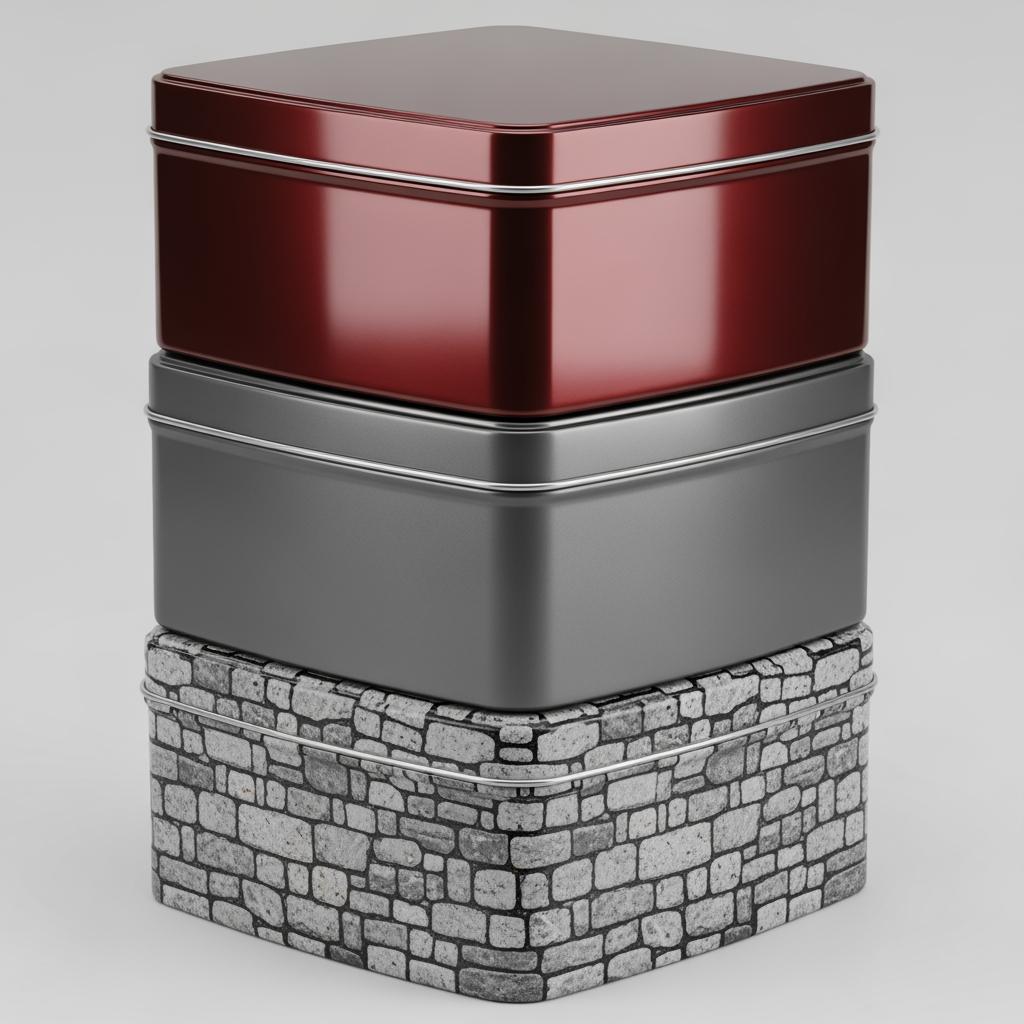
For OEMs and converters, B2B Tinplate Strip and Coil Supply with Adjustable Width Capabilities is the fastest route to better yield, fewer line stops, and tighter cost control. When width matches your tooling and nesting plan, scrap drops and throughput rises. If you’re planning a new run, share your target width, thickness, temper, coating, and…