-
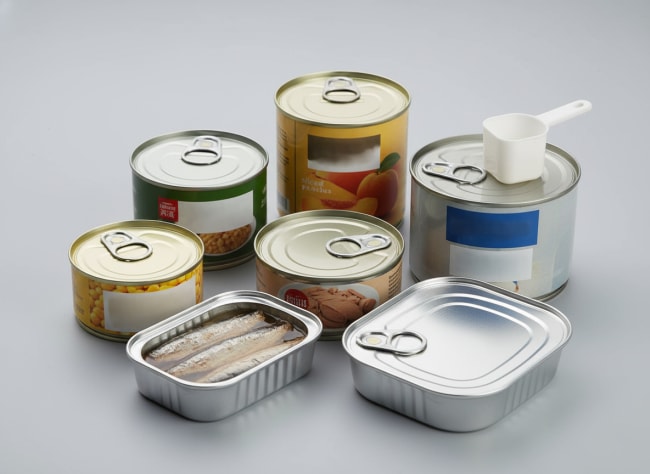
OEM Tinplate Steel Solutions for Metal Container Manufacturers
If you build metal cans at scale, the fastest route to stable quality and lower total cost is pairing tight specifications with dependable OEM tinplate steel solutions for metal container manufacturers. In this guide, you’ll find the exact variables to lock, the test methods that matter, and the supply chain choices that keep lines running….
-
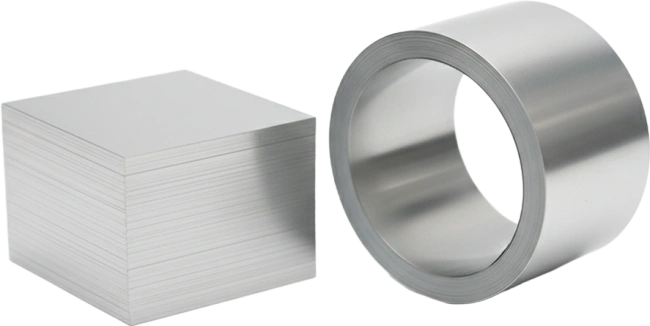
High-Performance Tin-Coated Sheets for Global Can Manufacturers
If you make food, beverage, or general line cans, High-Performance Tin-Coated Sheets for Global Can Manufacturers are what stand between your product and the world. The right electrolytic tinplate (ETP) specification turns lines faster, seals cleaner, and keeps contents safe. Share your drawings, coating targets, and forecast today and we’ll turn them into a manufacturing-ready…
-

Custom Electrolytic Tinplate Coils for Industrial Packaging Solutions
When product integrity, printability, and shelf appeal must align, custom electrolytic tinplate coils deliver dependable performance across food, aerosol, closures, and general line packaging. This guide explains how to specify, qualify, and procure the right coil for your application—without surprises. If you’re scoping a new spec or consolidating suppliers, share your requirements and request a…
-

Lacquered Tinplate for Printed Promotional Can and Tin Production
If you make promotional tins, the choice of lacquered tinplate largely determines print brilliance, formability, and shelf-life performance. This guide distills how to specify Lacquered Tinplate for Printed Promotional Can and Tin Production—from coating chemistries and print compatibility to grades, compliance, and supply-chain safeguards. If you’re sourcing now, share your drawing and target specs to…
-

Corrosion-Resistant Tin-Coated Steel for Food and Chemical Containers
Corrosion-resistant tin-coated steel—commonly called electrolytic tinplate (ETP)—remains the most trusted, scalable substrate for safe food and chemical container production. When correctly specified, coated, and handled, it balances product protection, printability, and cost efficiency for both retort and ambient applications. If you’re evaluating substrates for cans, closures, or pails, share your coil specs and printing needs…
-

Raw Materials for Tinplate Components in Aerosol Packaging Systems
Getting the raw materials right is what keeps aerosol packages safe, consistent, and cost-effective. In this guide, we focus on the practical engineering choices behind raw materials for tinplate components in aerosol packaging systems—especially the cone—and how each choice affects drawing performance, corrosion life, compliance, and supply stability. If you want a quick, engineering-grade recommendation…
-
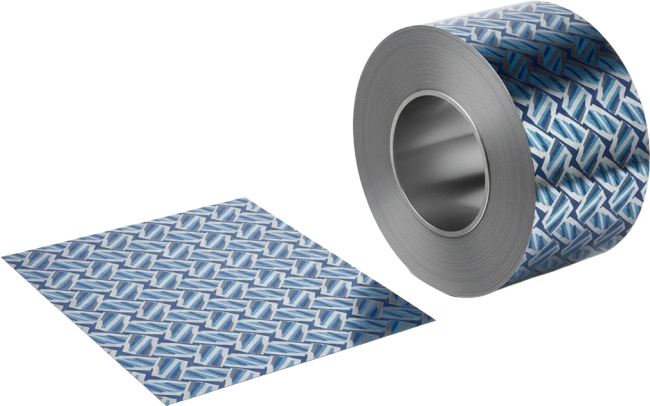
Performance of Tin-Coated Steel in High-Pressure Aerosol Systems
Tinplate has earned its place in high-pressure aerosols because it balances formability, corrosion resistance, and burst strength better than most alternatives. When engineered correctly—from grade selection to lacquer systems and export packaging—the Performance of Tin-Coated Steel in High-Pressure Aerosol Systems delivers safe filling windows, consistent dome integrity, and predictable shelf life. If you are qualifying…
-
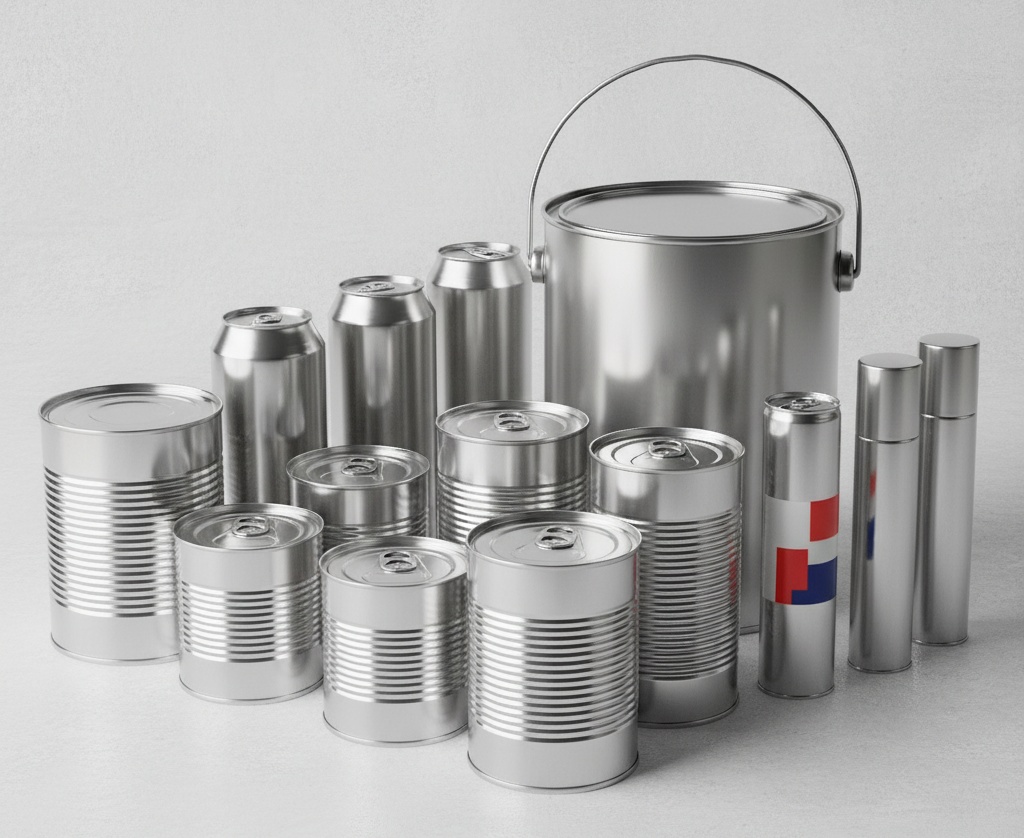
Corrosion-Resistant Tin-Coated Steel for Solvent-Based Packaging
Choosing and validating the right metal for aggressive formulations is the difference between years of shelf stability and an early recall. Corrosion-Resistant Tin-Coated Steel for Solvent-Based Packaging pairs the barrier of steel, the sacrificial protection of tin, and the precision of modern lacquers to keep ketones, aromatics, esters, and alcohol blends safely contained. Share your…
-
Solvent-Resistant Tin Coated Steel for Industrial Metal Cans
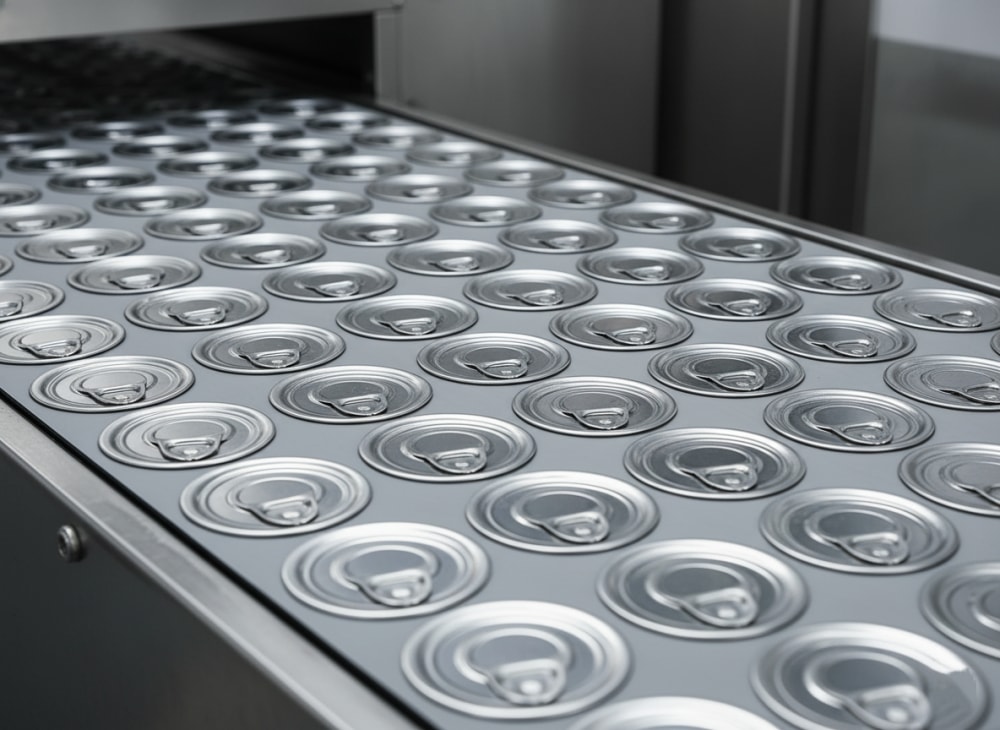
Introduction to Tin-Coated Steel for Solvent-Based Packaging If your product is a strong solvent—think ketones, aromatics, or high-alkaline cleaners—you need metal that resists attack, preserves product purity, and keeps seams tight over time. That is the promise of solvent-resistant tin coated steel for industrial metal cans: a carefully balanced substrate, tin layer, passivation, and internal…
-

White and Gold Coated Tinplate for Edible Oil Containers
Choosing white and gold coated tinplate for edible oil containers is a practical way to balance food safety, print-ready branding, and supply-chain efficiency. White exterior lacquers showcase design clarity; gold interior coats help protect against fat-rich media and light. If you’re specifying new cans or revalidating suppliers, share your requirements and finishing targets—color, gauge, temper,…
-
T2-T4 Tinplate Specifications for Pet Food Can Production
If you pack wet or semi-moist pet food, the shortest path to fewer defects is to match T2–T4 tinplate specifications to your recipe, retort, and line geometry from day one. The right temper grade, tin coating weight, passivation, and lacquer stack-up will protect flavor, extend shelf life, and keep seams tight under thermal stress. If…
-
Electrolytic Tinplate Grades for Fish Can Manufacturing
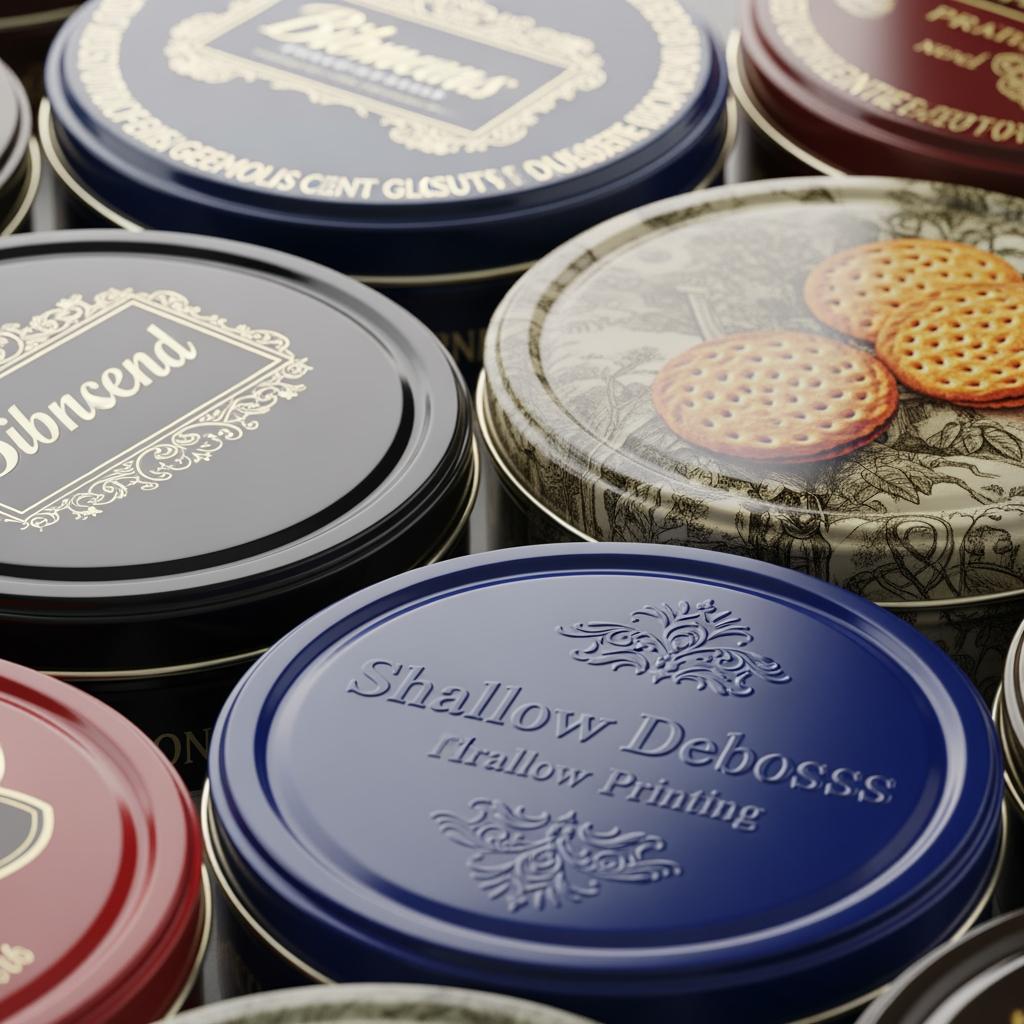
If you pack tuna, sardines, mackerel, or anchovies, the fastest way to cut complaints and boost shelf-life is to match product, process, and print to the right grade of electrolytic tinplate. This guide translates shop-floor reality into clear choices—from coating thickness and temper selection to BPA‑free linings and export packaging—so you can specify Electrolytic Tinplate…