-

Steel Base Types for Tin-Coated Cans in Chemical Packaging
Choosing the right steel base is the hinge decision that determines the safety, shelf life, and total cost of ownership of your chemical cans. In this guide, we map the practical differences among steel base types, tin coatings, and linings—keeping your focus on Steel Base Types for Tin-Coated Cans in Chemical Packaging and how to…
-
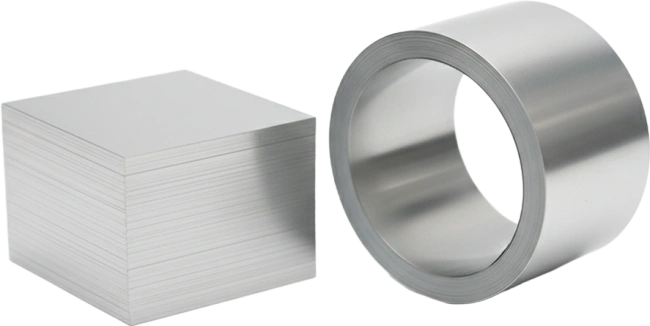
Corrosion-Resistant Tinplate for Long-Term Paint Can Storage
If you need paint cans that survive multi-year storage, the fastest, most reliable path is choosing corrosion-resistant tinplate matched to your resin system and environment. Corrosion-Resistant Tinplate for Long-Term Paint Can Storage succeeds when base steel, coating weight, passivation, and testing are aligned to how your cans are filled, stacked, shipped, and warehoused. If you…
-
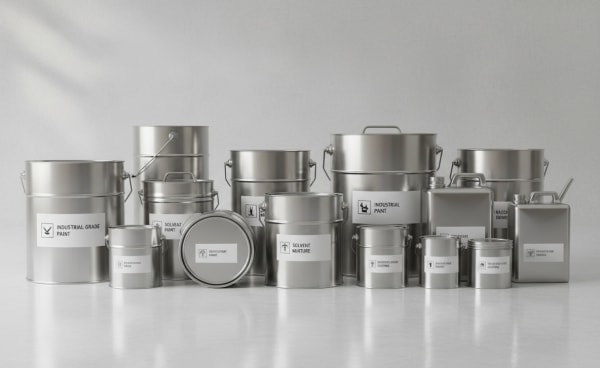
Material Specifications for Tin-Coated Steel Used in Aerosol Packaging
Getting aerosol cans right starts with the metal. Material Specifications for Tin-Coated Steel Used in Aerosol Packaging determine whether your can forms cleanly, resists corrosion in storage, seams reliably under pressure, and prints to brand standards. This guide translates specifications into practical choices for engineering, sourcing, quality, and operations teams in aerosol manufacturing. If you…
-
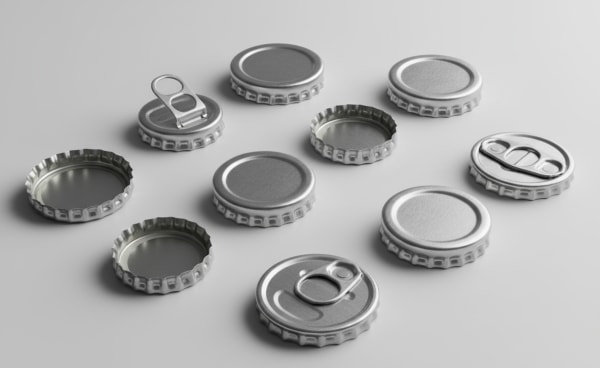
Technical Guide to Tinplate Substrates for Beverage Can Production
Choosing the right tinplate substrates for beverage can production is the difference between a line that runs at 2,000 cpm with near‑zero spoilage and one that fights split flanges, under‑spec seam tightness, and flavor instability. This technical guide focuses on how to spec, test, certify, and source tin‑coated steel specifically for carbonated drink packaging, with…
-
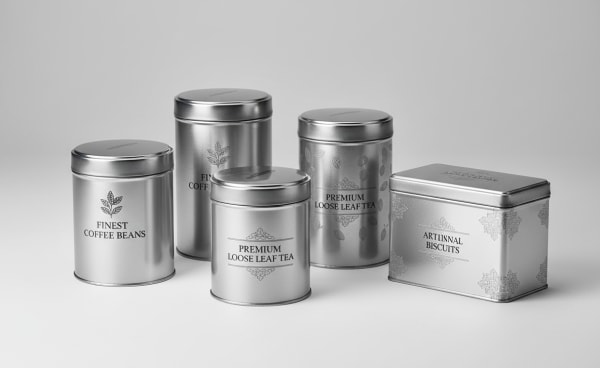
Global Sourcing of Raw Materials for Electrolytic Tinplate Food Cans
Global sourcing of raw materials for electrolytic tinplate food cans is ultimately about balancing food safety, formability, corrosion protection, and dependable supply across borders. The fastest path to results is to translate your product’s shelf-life target and processing method into a precise tinplate spec, then align that spec with capable mills and coil service centers…
-
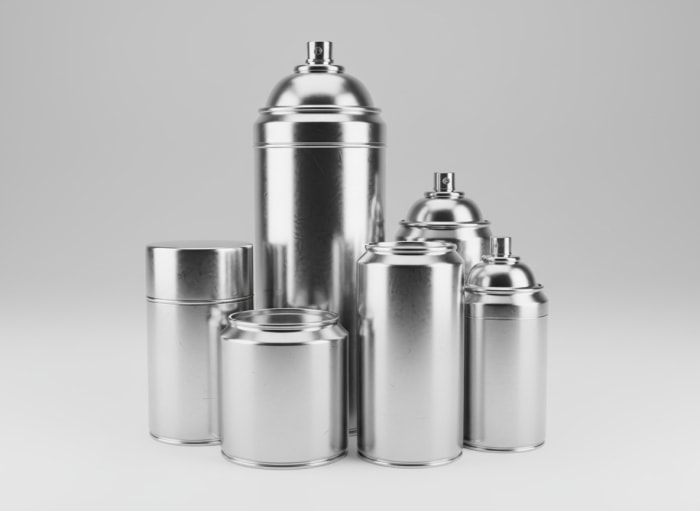
Electrolytic Tinplate Raw Materials for Global Canning Industry
Electrolytic tinplate sits at the heart of modern canmaking because it balances food safety, formability, and printability with global-scale availability. In this guide, we explain how Electrolytic Tinplate Raw Materials for Global Canning Industry are specified, qualified, and sourced—so you can move from drawings to dependable production with fewer surprises. If you’re exploring grades, coil…
-

High-Performance Tinplate for Food and Beverage Can Applications
If you specify the right grade, coating, and passivation, high-performance tinplate for food and beverage can applications delivers clean seam integrity, reliable corrosion protection, and predictable forming. Tell us your target formats, contents, and line speeds, and Tinsun Packaging can translate that into practical coil or sheet specifications—share your requirements and request a tailored quote…
-
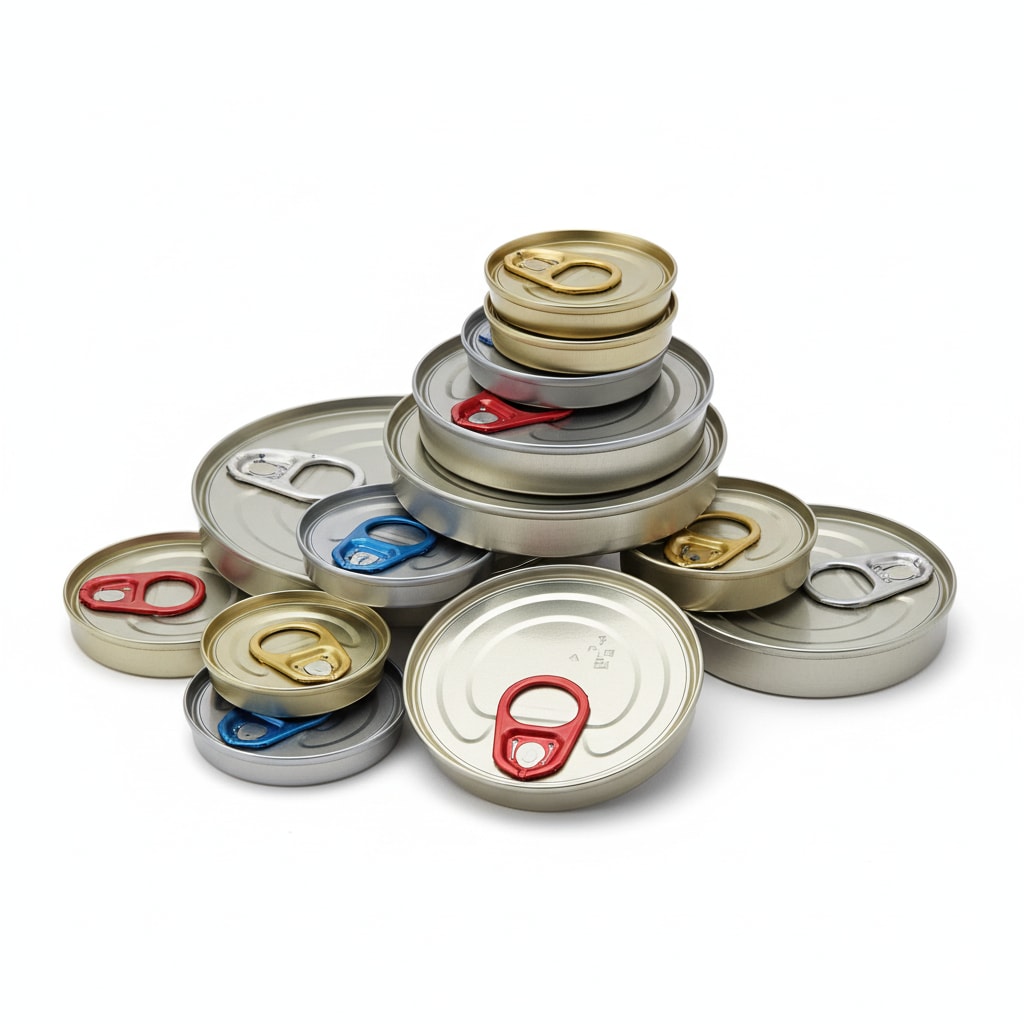
Corrosion-Resistant Tinplate for Food and Beverage Cans
Corrosion-resistant tinplate for food and beverage cans protects taste, extends shelf life, and keeps seams sound through distribution and retort. The fastest way to specify the right material is to define the food chemistry, can design, and processing route, then match grade, temper, and coatings to those needs. Share your spec and get a tailored…
-
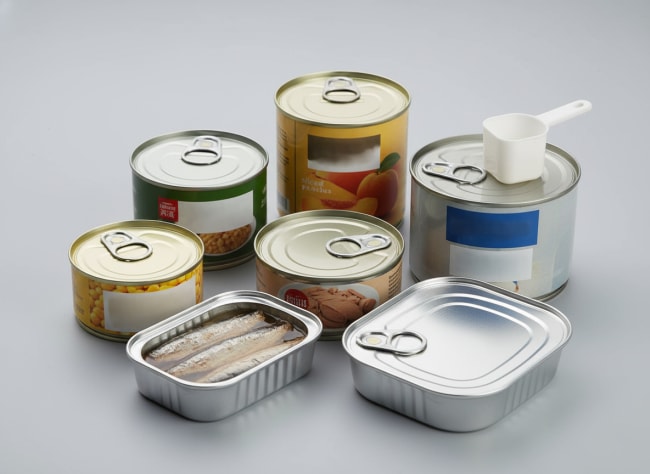
Tinplate Raw Materials for Metal Crown Cap Manufacturing
Specifying tinplate raw materials for metal crown cap manufacturing is where cap performance, line efficiency, and total cost are won or lost. The right grade, coating, and finish determine whether your caps crimp cleanly, seal reliably through pasteurization, and resist corrosion on warm shelves or in wet coolers. If you’re aligning a new cap program…
-
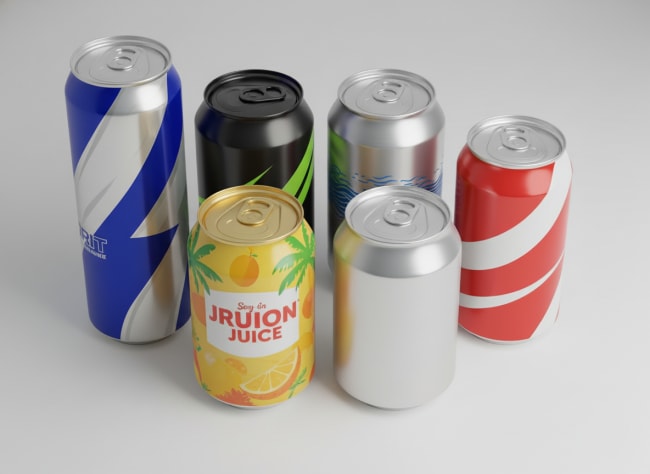
Tinplate Coil and Sheet Options for Bottle Cap Manufacturers
Choosing the right tinplate coil and sheet options for bottle cap manufacturers is the difference between smooth, high‑speed production and costly defects downstream. In the cap world, metal selection governs formability, lacquer adhesion, corrosion resistance, and sealing torque—all before a single cap meets a bottle. If you’re evaluating specs now, share your requirements and get…
-

Customized Tinplate Materials for Beverage Can Lid Fabrication
If your beverage can ends need to run fast, score cleanly, and stay shelf-stable across diverse drinks and climates, the material choice matters as much as tooling and lacquer. Customized Tinplate Materials for Beverage Can Lid Fabrication let you dial in temper, thickness, and surface treatments to balance easy-open performance with corrosion resistance and cost….
-

Tinplate Sheet and Coil for Easy Open End Can Production Lines
If your easy open end (EOE) line is chasing higher throughput and fewer tear-rate rejects, the substrate you feed it matters as much as the tooling. The right tinplate sheet and coil choices—grade, temper, coating, passivation, and lubricant—stabilize scoring, improve pop performance, and extend shelf life. If you’re ready to accelerate a spec review or…